Paul Harvey Warned America in 1965 — Today, His Words Feel Chillingly Accurate
Growing up in the 1970s, some of my most treasured memories are tied to quiet afternoons spent beside my mother in our living room. The house felt warm and familiar as the radio played softly, filling the space with the unmistakable voice of Paul Harvey. Every day at the same hour, we would sit together, waiting for his broadcast to begin. As the opening music played, we knew we were about to be drawn into stories that ranged from charming slices of small-town America to reflections on global events—always delivered with his signature mix of humor, seriousness, and down-to-earth insight.
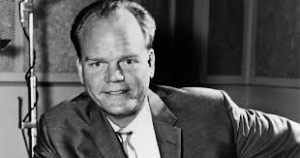
My mother believed Paul Harvey had an extraordinary understanding of people and the direction society was heading. She would often lean closer and say, “Listen carefully—he always sees where things are going.” I was fascinated by how he connected events that seemed unrelated, shaping them into narratives that felt almost predictive. He spoke about economic changes, shifting cultural values, and the growing power of media and technology in ways that sounded imaginative at the time. Back then, it felt like clever storytelling. Looking back now, it’s remarkable how accurately many of his observations mirrored what eventually happened, even decades later.
His famous closing line—“And now you know… the rest of the story”—was more than a memorable catchphrase. It was a reminder to think critically, to look beneath the surface, and to recognize broader patterns shaping the world. Long before the internet became part of everyday life, he talked about a future defined by global connection. He warned of political divisions that could strain democratic systems and spoke about environmental concerns before they entered mainstream conversation.
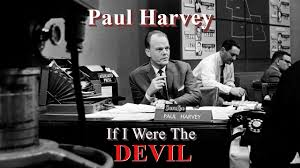
Listening to those broadcasts today feels like watching history unfold in fast motion, guided by a voice that anticipated change with calm clarity.
One broadcast from the late 1970s stands out in particular. Paul Harvey described a future where machines would learn from experience and where voices could travel instantly across great distances. My mother and I exchanged amused looks, certain he was exaggerating for effect. Yet today, artificial intelligence is embedded in our devices, and video calls across continents are routine—exactly as he envisioned. In another segment, he warned about the dangers of apathy during times of social change, suggesting that indifference could be more harmful than hardship itself. Those words echo powerfully in today’s conversations about civic involvement and social movements.
Revisiting those old recordings now brings a deep sense of connection—not only to my mother, who encouraged me to stay curious and think independently, but also to the broader passage of time that Paul Harvey documented so thoughtfully. Hearing his voice again—the rhythm, the pauses, the unmistakable tone—feels like stepping back into those afternoons. Whether you remember him well or are encountering his work for the first time, there is something striking about the foresight and relevance of his commentary.
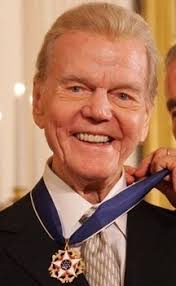
As you listen to the clip below, consider how much of what he spoke about has already shaped the world we live in today—and how much is still unfolding. Paul Harvey often reminded his audience that history doesn’t stop; it continues to evolve. In returning to his words, we gain not only a reflection of the past but also a lens through which to think about the future. Watch the video below and let his perspective inspire your own thoughts about where we’ve been—and where we may be headed next.