A Cold Highway Rescue: How One Officer Helped Lead a Lost Child Back to Safety
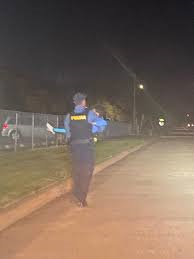
It was a gray, bitterly cold afternoon when Officer Ramirez answered a call that would forever mark his memory. The dispatcher’s voice was steady but urgent: a small child had been seen near the highway, alone, frightened, and dangerously close to traffic.
As Ramirez drove through the low-hanging fog that blurred the roadside, a familiar knot formed in his chest. Years on the force had taught him what situations like this often meant. A child alone was never just lost—it was vulnerable, exposed, and in need of more than authority. It required calm, care, and above all, patience.
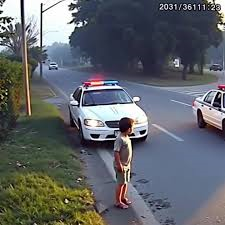
When he arrived, his concern deepened. A young boy, no older than four or five, was huddled behind a guardrail, his small body shaking in the winter air. His clothes were dirty and worn, streaked with dust and grime that told a story of days without care. Each passing car made him flinch, his wide eyes filled with fear and confusion. His posture revealed more than words ever could—exhaustion, distrust, and the quiet resilience of a child forced to survive on his own far too soon.
The First Encounter
Ramirez moved slowly, mindful not to startle him. He lowered himself to the child’s level, keeping his voice soft and his movements gentle. He extended his hand, offering reassurance without pressure. The boy recoiled at first but stayed where he was—a small but hopeful sign.
After moments of quiet words and calm presence, the boy allowed Ramirez to lift him. His body was alarmingly light, fragile against the officer’s chest, trembling as sobs finally broke free. When the crying subsided, the child pressed closer, seeking warmth and safety in the unfamiliar uniform. Ramirez whispered comfort, telling him he was safe now, that help had come.
Each step toward the patrol car was careful and deliberate. The boy clutched Ramirez’s jacket tightly, as if letting go might mean losing safety altogether. Once seated securely in the vehicle, Ramirez paused, his heart heavy. No child should ever know this kind of fear. He radioed their location and headed back to the station, the image of the boy’s vulnerability etched into his mind.
At the Police Station
Medical staff were waiting when they arrived. Nurses gently cleaned layers of dirt from the boy’s skin, tending to scrapes and bruises that hinted at days spent alone. He showed clear signs of hunger, yet despite everything, his eyes told a story of strength. They were alert, thoughtful—eyes that had learned far too early how to endure.
Meanwhile, officers worked to identify him. His approximate age, clothing, and the location where he was found were carefully recorded. Photos were prepared and shared publicly, a vital step in finding missing children in the modern age.
Ramirez stayed close, offering what little comfort he could—a blanket, a small toy from the station, and quiet smiles meant to replace fear with reassurance. The boy, later identified as Liam, seemed too tired to engage, but the effort mattered. It marked the transition from abandonment to care.
The Power of Community
Within hours, the shared photo spread rapidly. Thousands of people reacted, commented, and shared it, united by concern for a child they had never met. Messages poured in—encouragement, suggestions, and possible leads.

Then came the call that changed everything. A woman recognized the boy instantly. It was his aunt, Maria. She had been desperately searching, clinging to news updates and online posts, hoping for any sign that he was safe. Her relief was unmistakable as she rushed to the station, fear and hope colliding with every mile.
The Reunion
When Maria arrived, the air in the station felt charged. Liam looked up from where he sat in Ramirez’s office, and recognition sparked across his face. In an instant, he ran to her.
Maria wrapped him in her arms, tears streaming as she whispered his name again and again. “Liam… it’s okay now. I’ve got you.”
Ramirez stood back, allowing the moment to belong to them. His role had been to protect and guide, but this—this was where safety truly began. Liam was no longer alone.
The Truth Comes Out
With Liam secure, the painful details surfaced. Maria explained through tears that Liam’s parents had been severely neglectful, deeply involved in criminal activity. What looked like a normal household had hidden a dangerous reality.
During a law enforcement raid the previous week, the parents were arrested. In the chaos, Liam was tragically overlooked, left behind without care or supervision. Alone, hungry, and confused, he had wandered from home until instinct led him toward the highway—toward help.
The revelation stunned the officers. The idea of a child surviving days alone among danger and uncertainty was almost unbearable. For many, the emotional weight of it lingered long after the case details were recorded.
A Safer Future
The department immediately coordinated with child protective services to ensure Liam’s long-term safety. Maria, who had already been seeking custody, was able to step forward as his guardian.
What began as a routine call had become a powerful reminder of vigilance, compassion, and the role community plays in protecting the most vulnerable. And for one little boy, it marked the end of fear—and the beginning of something better.