The Hidden Reason Coats and Shirts Come With Extra Buttons
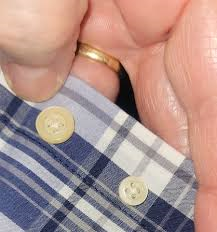
Most people will go through their entire lives without ever stopping to question it.
You buy a new coat or shirt, try it on, and weeks later—maybe months—you notice a tiny plastic pouch sewn inside the lining. Inside it are one or two spare buttons. You might shrug, rip it out, or forget it’s there entirely.
But that small detail exists for a reason—and it’s more thoughtful than most people realize.
At first glance, the answer seems obvious: spare buttons are there in case one falls off. And while that’s partly true, it’s only the surface of the story.
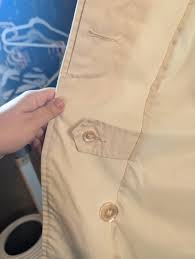
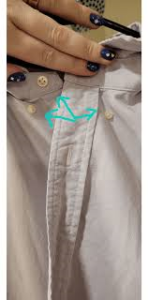
Clothing manufacturers include extra buttons because they understand something most people don’t think about: buttons are the weakest point of any garment. Fabric can last for years, seams can be reinforced, but buttons face constant stress—pulling, twisting, pressure from movement, and repeated washing. Losing one button can suddenly make a perfectly good coat or shirt unwearable.
But there’s more.
Those extra buttons aren’t random. They are cut from the same production batch as the original buttons on the garment. That means the color, size, thickness, and finish will match perfectly—something that’s surprisingly difficult to replicate later. Even professional tailors often struggle to find identical replacements once a design is discontinued.
There’s also a quality signal hidden in those spare buttons.
Higher-end brands almost always include them. It’s a quiet message to the buyer: This garment is meant to last. The manufacturer expects it to be worn, repaired, and cared for—not thrown away at the first sign of wear.
In some cases, spare buttons serve an even more practical purpose. For coats and jackets, tailors often use the extra button to test cleaning methods. Before dry cleaning or washing an expensive garment, a professional can test chemicals or heat on the spare button to ensure it won’t crack, discolor, or melt.
So that tiny pouch sewn into the lining isn’t just an afterthought.
It’s a reminder from an earlier era of clothing—one where items were repaired, not replaced; where durability mattered more than trends; where small details were built in quietly, without explanation.
Most people will never notice it.
But once you know the truth, you’ll never look at that little bag of buttons the same way again.