How One Gentle Song Changed Country Music Forever
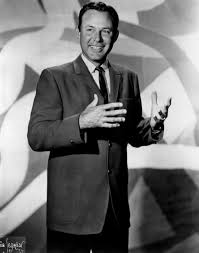
In 1960, a quietly powerful song made its way onto radio stations and forever altered the course of American music. At a time when country musicians were seeking a smoother, more contemporary approach, this recording arrived with a gentle elegance that felt both new and deeply familiar. Its restrained tempo, polished sound, and emotional honesty formed a bridge between traditional country narratives and the refined style that would soon be recognized as the Nashville Sound. Audiences were drawn to its warmth and sincerity, and the song achieved something rare for its era—embracing listeners in both country and pop audiences alike.
The inspiration behind the song came from an unassuming, real-life moment. Songwriters Joe and Audrey Allison were struck by the sound of a man making a phone call from a bar, his voice filled with quiet vulnerability as he spoke to someone on the other end of the line. That brief, emotional exchange lingered with them and ultimately inspired the song’s opening line and central theme. Wanting to preserve the raw tenderness of that moment, the Allisons crafted lyrics centered on longing, reflection, and emotional restraint. Legendary producer Chet Atkins complemented their vision by keeping the arrangement subtle, allowing the story and the voice to remain front and center rather than burying them beneath heavy instrumentation.


When the song was released, its success surpassed expectations. It climbed the charts quickly and became a hallmark of the Nashville Sound, demonstrating that country music could evolve stylistically without sacrificing emotional depth. The clean production, smooth string accents, and heartfelt storytelling helped the song transcend genre boundaries, opening the door for country music to reach a wider and more diverse audience.
At the heart of the song’s enduring power was the performance by Jim Reeves. His smooth, velvety baritone delivered the lyrics with calm confidence and emotional grace, transforming the song into a defining moment of his career. Though Reeves’ life was tragically cut short in 1964, the recording continued to live on—featured in films, honored in tributes, and cherished by radio listeners for decades.


Today, the song stands as a timeless example of how simplicity and sincerity can leave a lasting impact. With its gentle melody and deeply human story, it not only helped redefine a genre but continues to echo through music history as a reminder that quiet moments can spark lasting change.