The Hidden Purpose of the Safety Pin You’ve Probably Never Used
Modern sewing is often associated with advanced tools and digital equipment, yet many of the most reliable techniques come from traditional craftsmanship. One such example is the often-overlooked safety pin — specifically the small hole found at the coiled end. While many people assume this opening exists purely for mechanical reasons, experienced seamstresses have long relied on it as a practical, multipurpose feature. This tiny detail reflects how older designs frequently contain thoughtful functions that only reveal themselves through hands-on use.
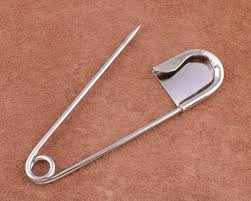
The small hole at the end of a safety pin serves as a guiding eye when feeding elastic, ribbon, or drawstrings through fabric casings. By looping a piece of string through the hole and securing it with a knot, the pin becomes a stable anchor that moves smoothly through tight channels. This method offers greater control than attaching the elastic directly to the pin, reducing the risk of it slipping off or the pin opening unexpectedly — a common annoyance during clothing repairs. With this simple adjustment, an everyday fastener transforms into a precise tool for navigating narrow hems and waistbands.
The renewed interest in traditional sewing methods extends beyond safety pins. Time-tested practices such as waxing thread with beeswax are regaining popularity for their ability to strengthen stitching and prevent tangling. Likewise, marking fabric with dry soap provides a clean, temporary alternative to modern marking tools, easily washing out without leaving residue. Techniques like diagonal pin placement or forming knots by wrapping thread around the needle demonstrate a deep understanding of fabric behavior, showing that skill and touch often matter more than expensive equipment.
Together, these long-standing practices highlight an important truth: effective solutions are often simple and enduring. Incorporating methods like backstitching for reinforcement or using safety pins as threading guides can make sewing faster, neater, and far more efficient. These techniques connect today’s makers with generations of craftspeople before them, reminding us that even in an age of innovation, the quiet wisdom of traditional skills still delivers professional-quality results.