Millions of Americans Think Chocolate Milk Comes From Brown Cows
A simple survey meant to measure basic food knowledge ended up revealing something far more surprising about modern life in the United States.
When researchers asked adults where chocolate milk comes from, they expected a mix of practical answers and mild confusion. What they didn’t expect was the result that followed: about 7% of U.S. adults — an estimated 17 million people — believe chocolate milk comes from brown cows.
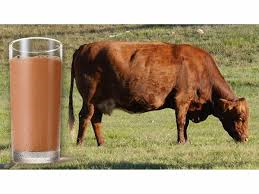
At first glance, the statistic sounds like a joke. But the survey results were real, and they sparked a wave of reactions ranging from disbelief to concern. Social media lit up with humor, memes, and jokes, yet beneath the laughter was a more serious question: how did such a widespread misconception take hold?
The answer, experts say, has less to do with intelligence and more to do with distance.
For much of American history, daily life was closely tied to agriculture. Families raised animals, grew crops, or lived near farms where food production was visible and familiar. Children understood, often from firsthand experience, how milk was produced, processed, and delivered.
Today, that connection has largely faded.
Most Americans now live in cities or suburbs, far removed from farms and food processing facilities. Milk arrives in cartons, chocolate milk comes pre-mixed, and the steps in between are rarely seen or explained. Over time, that invisibility creates gaps in understanding — gaps where myths can quietly form.
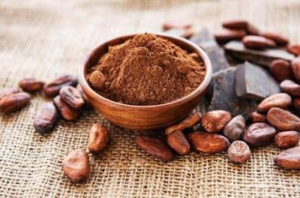
In reality, all cows produce the same white milk, regardless of their color. Chocolate milk is made after milking, by blending regular milk with cocoa and sugar. The process is straightforward, but for many people, it happens entirely out of sight.

Food education specialists say the chocolate milk misconception is a clear example of why basic food literacy still matters. Knowing how food is made isn’t just trivia — it influences trust, nutrition choices, and attitudes toward agriculture and sustainability.
When people don’t understand where food comes from, they may be more vulnerable to misinformation, less confident about nutritional decisions, and more disconnected from the systems that feed them.

The survey has since been used by educators and agricultural groups as a teaching moment. Rather than mocking the result, many have emphasized the importance of curiosity and learning. The goal, they say, isn’t to shame people for what they don’t know, but to close the growing gap between consumers and food producers.
Chocolate milk didn’t suddenly start coming from brown cows — but the belief that it does reveals something real about modern life: how easy it is to lose touch with everyday processes when they happen far from view.
And if a simple drink can spark such confusion, experts argue, it’s a reminder of why conversations about food education — in schools, homes, and communities — remain as important as ever.