Minnesota Mayors Sound Alarm Over State Oversight and Rising Local Costs
Tensions are growing in Minnesota between state leadership and a wide coalition of local officials, as nearly 100 mayors from across the state raise alarms about fiscal management and oversight of public programs. Representing rural towns, mid-sized cities, and urban communities alike, these local leaders say their concerns are not driven by political theater, but by the real financial strain their communities are experiencing.
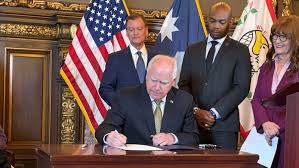
At the center of the dispute is Governor Tim Walz and his administration, which now face increasing pressure to demonstrate that public funds are being managed responsibly and that oversight systems are effective. Mayors argue that failures at the state level—particularly related to fraud in state-administered programs—are directly affecting local budgets and services.
Local Leaders Sound the Alarm
On December 22, 2025, 98 mayors jointly sent a letter to Governor Walz and state lawmakers outlining what they describe as cascading consequences from state fiscal decisions. According to the letter, unresolved fraud, rising costs, and shifting budget priorities have pushed financial pressure down to cities and towns, limiting their ability to plan, maintain infrastructure, hire staff, and provide essential services without raising taxes.
The mayors pointed to the rapid disappearance of an $18 billion budget surplus and the emergence of a projected $2.9 billion to $3 billion deficit in the 2028–29 biennium as signs of deeper fiscal instability. They stressed that these figures are not abstract policy concerns, but realities that local leaders must explain to residents facing higher property taxes, delayed infrastructure repairs, and reduced public services.
Fraud and Oversight at the Core
A major focus of the mayors’ concerns is alleged fraud and overspending within certain state-run programs, particularly Medicaid and other human services. While the full scale of the fraud remains under investigation, many local officials believe lax oversight has allowed abuse to persist for years, contributing to tighter budgets at the local level.
Investigators and watchdogs have cited fraudulent billing and deceptive practices across programs ranging from autism services to housing stabilization. Some estimates suggest losses in the hundreds of millions or even billions of dollars, though the exact amount remains contested.
Governor Walz has acknowledged the seriousness of fraud concerns but disputes the highest estimates, saying that state data currently confirms fraud in the tens of millions, with additional audits ongoing. His administration has pushed back against claims of multi-billion-dollar losses without verified evidence.
Budget Pressures on Cities and Towns
Beyond fraud, mayors say unfunded mandates, inflation, and rising operating costs are straining local governments. State aid, they argue, has not kept pace with these pressures, forcing cities to rely more heavily on property taxes. Preliminary projections show statewide property tax increases nearing 6.9 percent in the upcoming fiscal cycle.
For smaller communities, the impact is immediate and visible. Some mayors report delaying critical infrastructure upgrades, such as aging water systems, due to funding gaps. Others note that local governments are often subject to stricter auditing requirements than state agencies overseeing far larger budgets.
A Broad, Nonpartisan Coalition
Notably, the group of mayors raising these concerns spans political affiliations. While some are Republicans, others are independents or Democrats who have previously supported Governor Walz. Their letter emphasizes shared responsibility rather than partisan conflict.
One mayor who declined to sign—Rochester’s mayor—said she agreed that fraud and mismanagement are serious issues but felt the letter leaned too heavily into political messaging. Even so, she echoed concerns about fraud and the burden placed on taxpayers, highlighting the complexity of the debate.
What the Mayors Are Asking For
The letter outlines several reforms local leaders believe are necessary to restore confidence and stabilize finances:
-
Stronger oversight and transparency, including clearer audits and better tracking of public spending
-
Greater fiscal accountability, particularly in light of lost surpluses and looming deficits
-
Reforms to state-administered programs to improve fraud detection and enforcement
-
Improved collaboration between state and local governments, ensuring reliable funding and shared problem-solving
Their central message is practical: when state systems fail, the consequences are felt most directly at the local level—in police departments, public works projects, and community services.
The State’s Response
Governor Walz and his administration say they are taking steps to address these issues. Measures include pausing certain Medicaid payments, launching third-party audits of high-risk programs, and bringing in external firms to review billing practices.
State officials argue that some fraud estimates have been exaggerated and stress the importance of relying on verified data. They also highlight increased state support for local governments in areas such as public safety, infrastructure, and property tax relief as evidence of ongoing partnership.
Still, many mayors remain unconvinced. They say confidence in oversight has been damaged and that meaningful reform must be visible and sustained to rebuild trust.
A Broader Test of Governance
The dispute reflects a wider challenge facing governments nationwide: as public programs grow more complex, oversight systems must keep pace. When fraud or waste occurs, it undermines not only budgets, but public confidence in institutions.
For local leaders, the issue is immediate and personal. Residents turn to mayors for answers when taxes rise or services are cut, even when the underlying causes originate at the state level.
What Comes Next
For Governor Walz, the mayors’ warning marks a pivotal moment. Decisive action to strengthen oversight and transparency could restore confidence and ease tensions. Delays or defensiveness risk deepening mistrust between state and local governments.
For the mayors, the message is clear: they are not seeking confrontation, but accountability, collaboration, and fiscal responsibility. Their call underscores a fundamental principle of public governance—that trust is built through transparency, responsiveness, and respect for the local communities most affected by state decisions.