The Forgotten Tool That Left Modern Eyes Guessing — and History Speaking
At first, the item barely drew attention. It sat quietly among other aging possessions, unremarkable at a glance, as if time itself had taught it how to fade into the background. Its form was plain, even odd, yet unmistakably purposeful. It didn’t resemble the sleek, all-in-one tools we’re used to today. Instead, it seemed to belong to a different mindset—one where usefulness mattered more than appearance. The longer it was examined, the harder it became to identify, inviting questions about who once relied on it, how often it was used, and what everyday task made it indispensable.
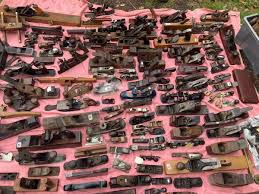
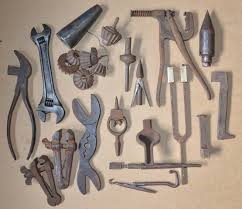
That sense of quiet mystery soon turned into respect for an era when objects were made to endure, not to impress.Looking deeper, it became clear that many objects we now find confusing were once essential to daily life. Before electricity, automation, and digital convenience reshaped homes, people depended on single-purpose tools designed with care and experience. Nothing about them was accidental. A curve here eased fatigue, a bit of weight there added control, and every detail was refined through repeated use rather than abstract design theory. What might appear clumsy or outdated now was once an intelligent response to real needs, shaped by patience and hands-on knowledge. These tools remind us that innovation has always existed—it simply took different forms, rooted in observation and practicality.The real power of rediscovering such items lies in the bridge they form between then and now. Holding an object that once played a role in someone’s routine makes history feel immediate and human. You can almost picture it being picked up each day without thought, trusted to do its job as lives unfolded quietly around it. These tools weren’t part of historic headlines; they supported ordinary moments repeated thousands of times. Through them, the past feels less distant, revealing that progress is built not only on big breakthroughs, but on countless small acts made possible by thoughtful design.

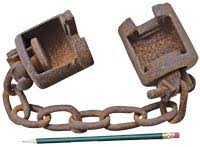
In today’s fast-paced world of constant upgrades and disposability, these forgotten tools invite a pause. They encourage us to value craftsmanship, intention, and longevity, and to reflect on what modern convenience may have replaced or diminished. When an unfamiliar object from another time appears, it deserves curiosity rather than dismissal. Often, the simplest designs carry the deepest insight, showing how creativity flourishes under limitation. These tools stand as quiet evidence that meaningful design doesn’t depend on complexity—only on understanding, purpose, and a close connection to everyday life.