Israel Hits Hezbollah Positions in Southern Lebanon Amid Upcoming Disarmament Enforcement
Israel reportedly carried out multiple airstrikes in southern and northeastern Lebanon in the days leading up to the December 31 deadline for the militant group Hezbollah to disarm.
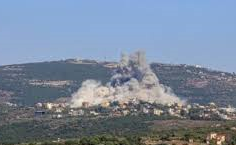
According to reports citing the Israeli military, the strikes targeted Hezbollah infrastructure and launch sites, including a military compound used by the group for training and instructional activities. Israel said additional strikes hit weapons storage facilities belonging to the organization.
The airstrikes took place shortly before a scheduled meeting of the international committee overseeing the enforcement of a U.S.-brokered ceasefire that ended the conflict between Israel and Hezbollah one year ago. The monitoring group includes representatives from the United States, France, and United Nations peacekeeping forces stationed along the Israel–Lebanon border.
At the same time, officials from the United States, Saudi Arabia, and France are expected to meet with Lebanon’s army commander, Gen. Rodolph Haikal, to discuss measures aimed at strengthening the Lebanese army’s presence in the border region, according to reports.
A separate meeting in Paris is also intended to discourage further escalation by Israel, according to diplomats cited by Reuters. Those officials said concerns remain that political deadlock and internal party dynamics could hinder efforts by Lebanese President Joseph Aoun to push forward Hezbollah’s disarmament, particularly as Lebanon approaches legislative elections scheduled for 2026.
The Lebanese government has stated that it expects the national army to establish full control over the area south of the Litani River and remove Hezbollah’s armed presence there by the end of the year.
Lebanese Parliament Speaker Nabih Berri characterized the Israeli strikes as a direct signal ahead of the Paris meeting, according to the Associated Press.
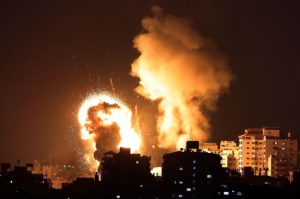
“The fire belt of Israeli airstrikes is meant as a message to tomorrow’s meeting,” Berri said during a parliamentary session in Beirut.