A tiny life, smaller than a human hand, flickered beneath the harsh white lights of the NICU — 280 grams of fragile hope named Nash.
Born at just 21 weeks, his arrival was never meant to happen that day. What began as a routine prenatal checkup turned, in minutes, into alarms, rushing footsteps, and voices speaking faster than fear could keep up with. His mother barely had time to understand what was happening before Nash was placed in her arms — impossibly small, skin translucent, lungs not ready for the world he had entered far too soon.
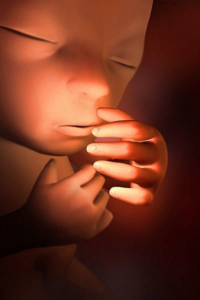
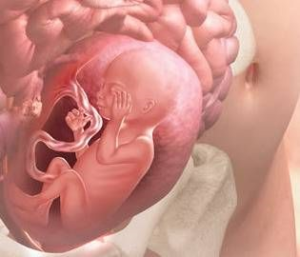
Doctors worked quickly, but their words were careful. His chances were slim. His heart fluttered like it wasn’t sure it wanted to stay. Machines breathed for him. Wires dwarfed his body. Every monitor beep carried both hope and dread.
At one point, the room fell quiet.
Life support was withdrawn. The doctors stepped back. There was nothing more they believed could be done.
His parents held him, preparing for goodbye.
But Nash didn’t let go.
A breath came — shallow, uneven, but real.
Then another.
And another.
Against every expectation, his tiny chest continued to rise and fall. Nurses stared. Doctors leaned in. What should have ended became something else entirely: a fight.
From that moment on, every second mattered.
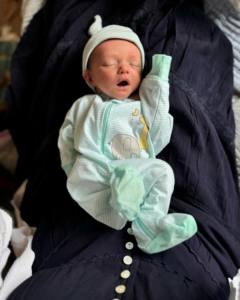
Days blurred into weeks filled with whispered prayers and measured hope. Nash’s skin bruised easily. His lungs struggled. Infections came and went. There were setbacks that stole sleep and victories so small they might have been missed by anyone not watching closely — a stronger heartbeat, a finger curling around his mother’s touch, oxygen levels holding just a little longer.
Each milestone felt like a miracle.
Months passed inside the NICU, where time moved differently. His parents learned the language of machines and numbers, celebrated grams gained like trophies, and cried quietly when the lights dimmed at night. Nurses became family. Every breath Nash took was still a battle — but it was a battle he kept winning.
Then came the day he opened his eyes wide and focused on his mother’s face.
Later, the first smile — faint, crooked, but unmistakable.
The first time he breathed on his own.
The first time he was held without wires.
And finally, the day they carried him out of the hospital doors, sunlight touching his skin for the first time — not as a fragile statistic, but as a survivor.
Today, Nash is learning to walk.
His steps are small and careful, eyes full of curiosity and wonder. You wouldn’t know the odds stacked against him just by watching him laugh or reach for the world around him. But every movement carries the echo of a fight that began before he was ready — and never stopped.
Doctors still call him a miracle.
His parents call him their warrior.
And as Nash takes each new step forward, one truth remains undeniable:
Some lives arrive early not because they are weak —
but because they have more strength than the world expects.
And Nash’s journey is only just beginning.