Tilapia Skin: Turning Waste Into Life-Saving Medicine 🐟✨
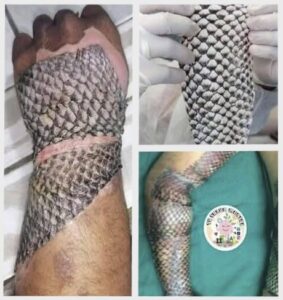
For years, fish skin was tossed aside as useless waste in the seafood industry. But now, science has discovered something extraordinary — that this humble byproduct may hold the key to faster healing and better recovery for patients with severe burns and wounds.
🌿 From Waste to Wonder
Tilapia skin, once seen as disposable, is now celebrated for its high levels of collagen types I and III — the same proteins responsible for skin repair and regeneration in humans. Because its texture and structure so closely resemble human skin, it serves as a natural, biological dressing that protects and helps wounds heal more effectively.
🩹 A Natural “Second Skin”
When sterilized and applied to a wound, fish skin acts like a living bandage. It shields the area from bacteria, keeps it moist, and relieves pain — all while stimulating the body’s own healing response. Doctors have found that this method allows skin to regenerate faster, with less scarring and fewer dressing changes.
Patients treated with tilapia skin often report less pain, smoother recovery, and visible improvements in a shorter time. For those who can’t afford costly grafts or synthetic options, this approach offers a safe, natural, and affordable alternative.
🔬 How It’s Made Safe for Humans
Before it ever touches a patient, fish skin undergoes a rigorous cleaning, disinfecting, and sterilization process to eliminate any bacteria or viruses. It’s then preserved in glycerol to maintain its flexibility and biocompatibility — meaning it can safely blend with human tissue without allergic reactions.
Unlike artificial bandages, which merely cover wounds, fish skin actually interacts with the damaged area on a biological level. The collagen fibers stimulate the body’s own cells to rebuild new tissue, speeding up recovery and reducing complications.
🌍 Healing That’s Good for the Planet
Beyond its medical benefits, tilapia skin is also a sustainable innovation. Every year, the fishing industry discards tons of fish skin as waste. By transforming it into a healing material, scientists are tackling environmental waste and medical challenges at the same time — a true win-win for people and the planet.
🌎 Proven Success Around the World
Countries such as Brazil, the United States, and Norway have already conducted clinical trials with remarkable outcomes. In Brazil, doctors using tilapia skin for burn victims saw quicker healing, less pain, and shorter hospital stays than traditional treatments.
Patients not only recovered faster but also regained confidence and hope — proof that innovation doesn’t always come from high-tech labs, but sometimes from nature itself.
💡 A New Era in Medicine
What was once considered useless waste has become a symbol of human creativity, compassion, and sustainability. Tilapia skin dressings show that with the right vision, even discarded materials can be reborn as tools of healing and hope.
This is not just medical progress — it’s a reminder that nature still holds secrets capable of transforming lives. 🌊💙