When America Was Broken, a Masked Rider Gave the Nation Hope
In 1933, the United States was in crisis. The Great Depression had shattered the nation’s confidence. Unemployment hovered near 25 percent. Banks failed by the thousands. Families lost their homes, their savings, and often their sense of hope. The future felt uncertain and frightening.
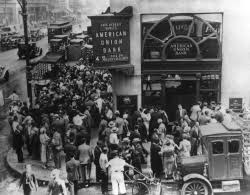
Then, on the evening of January 30, 1933, something unexpected came over the radio waves.
From a Detroit station called WXYZ, the dramatic opening notes of Rossini’s William Tell Overture rang out. An announcer’s voice followed, painting a picture of an earlier America:
“In the early days of the western United States, a masked man and an Indian rode the plains, searching for truth and justice.”
Hoofbeats thundered. A voice called out, “Hi-yo, Silver, away!”
And in that moment, America was introduced to the Lone Ranger.
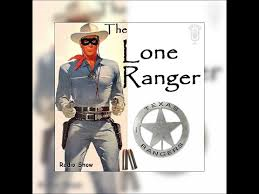
The character was created by station owner George W. Trendle and writer Fran Striker—two men who had no real connection to the Old West. They hadn’t grown up with cowboys or pioneers. But they understood something essential about the moment they were living in: Americans needed a hero.
Not a hero born from the chaos of the present, but one drawn from a mythic past—a time when right and wrong felt clearer, when justice seemed achievable, and when one individual could still make a difference.
They imagined a masked vigilante named John Reid, a former Texas Ranger and the sole survivor of a deadly ambush that killed his fellow lawmen. Rather than seeking revenge openly, Reid chose to fight injustice anonymously. He carried silver bullets, not as weapons of cruelty, but as symbols—a reminder that human life had value and should never be taken lightly.
And beside him rode a horse.
A striking white stallion named Silver.
Silver was more than a means of travel. He was a partner, a companion, and a powerful symbol. His gleaming white coat and fearless strength represented something Americans desperately needed in 1933: hope. Each time listeners heard the pounding of Silver’s hooves and the Lone Ranger’s call, it sounded like hope charging forward through the darkness.
Although the show was originally intended for children, adults quickly became just as devoted. Within weeks, grown listeners made up a large share of the audience. By 1939, roughly 20 million Americans were tuning in three times a week.
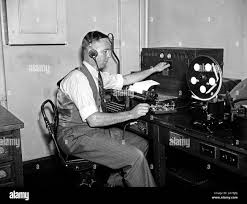
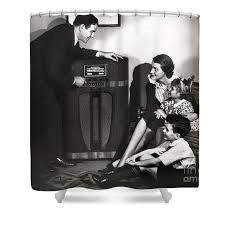
Families gathered around their radios across the country—farmers in rural towns, factory workers in crowded cities, parents and children listening together in living rooms. They followed stories of outlaws, corrupt officials, rustlers, and thieves—and the masked man who always stood against them.
Silver was described as impossibly fast, said to run “with the speed of light.” But his true strength wasn’t speed—it was loyalty. He carried the Ranger through storms and rivers, stood guard in moments of danger, and rushed to his rider’s aid whenever he was called. Every time the Lone Ranger spoke his name, Silver answered.
Their bond went beyond the traditional image of a man and his horse. It was built on trust and mutual respect. Silver wasn’t a tool or a possession—he was family.
The Lone Ranger was not alone in his mission. He rode alongside Tonto, a Native American who saved Reid’s life after the ambush and chose to stand by him. Tonto had his own horse, Scout, and his own rallying cry: “Git-um up, Scout!” Together, the Ranger, Tonto, and their horses formed a partnership rooted in loyalty and shared purpose.
In an era defined by hardship, their stories carried a powerful message: even in the darkest times, justice could prevail.
The Lone Ranger followed a strict moral code. He avoided killing whenever possible, aiming to disarm rather than destroy. His silver bullets symbolized restraint and respect for life. His values—honor, fairness, equality, and integrity—were central to every story. His guiding belief was simple: that a person must live honorably to deserve friendship, that all people are equal, and that everyone has the power to help make the world better.
For Americans struggling through the Depression, these ideas were more than entertainment. They were reassurance. They suggested that goodness still mattered, that justice was still possible, and that individuals—even anonymous ones—could stand against wrongdoing.
The Lone Ranger became a national sensation. The program expanded from Detroit to a national network. Merchandise followed. Comic books appeared in 1939, novels earlier in 1935. Children played Lone Ranger games and wore masks, imagining themselves as champions of justice.
In 1949, the character transitioned to television, with Clayton Moore famously donning the mask. Real horses—beginning with White Cloud—played Silver on screen. The TV series ran until 1957 and helped define the golden age of Western television.
Over the years, around 18 actors portrayed the Lone Ranger. The most iconic radio voice belonged to Earle Graser, who performed the role in more than 1,300 episodes before his death in 1941. After his passing, the show temporarily altered its storylines before announcer Brace Beemer took over the role and continued until 1954.
Long before superheroes filled comic books and movie screens, the Lone Ranger laid the groundwork. He was a masked hero with a secret identity, a loyal companion, a recognizable costume, a moral code, and a mission to protect the innocent. He appeared in 1933—five years before Superman’s debut.
But his greatest legacy wasn’t innovation. It was inspiration.
At a moment when the nation felt broken, the Lone Ranger offered belief—belief that heroes still existed, that justice could win, and that hope was real. And alongside him, a white horse named Silver carried that belief forward, his thundering hooves echoing through American homes as a promise of better days.
More than 90 years later, the image remains iconic. “Hi-yo, Silver, away!” is instantly recognizable. The William Tell Overture still conjures the vision of a masked rider and his faithful horse.
The Lone Ranger and Silver rode into American lives when the country needed them most. They were more than characters on a radio show. They were symbols—of resilience, partnership, and hope.
And in a time of despair, they gave millions of people something powerful to hold onto: the belief that even in the darkest moments, someone is still fighting for what’s right.