What Tonsil Stones Are, How to Safely Remove Them, and Why Relief Is More Realistic Than “Forever”
You cough—and out pops a tiny, white, foul-smelling pebble. Or maybe you’ve noticed persistent bad breath that brushing won’t fix, or a nagging feeling that something’s stuck in your throat.
Chances are, you’ve met tonsil stones (tonsilloliths)—harmless but annoying calcified deposits that form in the crevices of your tonsils. They’re incredibly common (up to 25% of adults get them), not dangerous, and not a sign of poor hygiene. But they are treatable—and preventable.
Let’s clear up the confusion—with science, safety, and zero shame.
🪨 What Exactly Are Tonsil Stones?
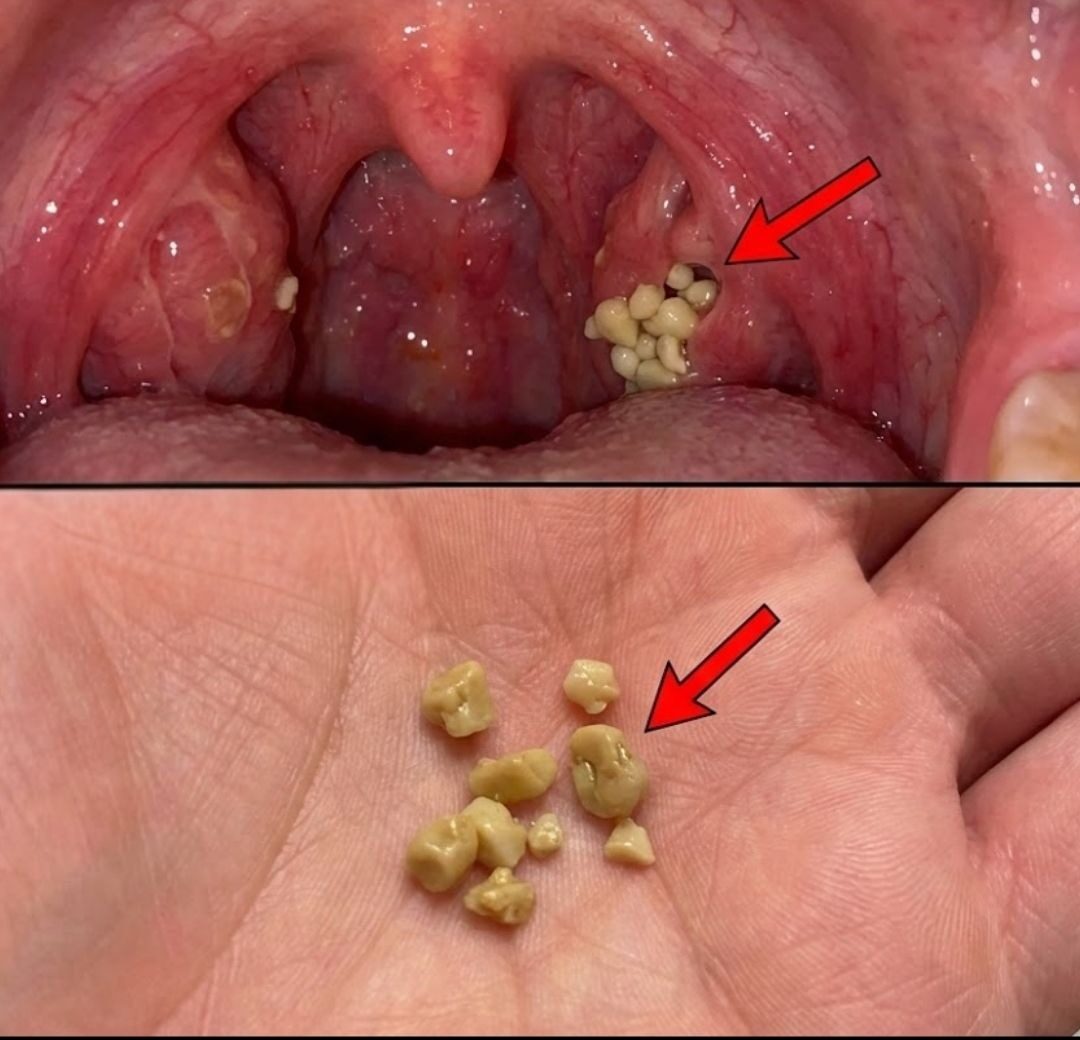
Tonsil stones are not actual stones—they’re soft, cheese-like clumps formed when:
- Food particles + dead cells + mucus + bacteria
- Get trapped in tonsil crypts (natural folds/crevices in your tonsils)
- Harden over time due to calcium salts in saliva
✅ Key facts:
- Size: Pinhead to pea-sized (rarely larger)
- Color: White, yellow, or gray
- Smell: Often foul (due to sulfur-producing bacteria)
- Danger level: Zero—they don’t cause cancer or serious illness
🔍 Why Do You Get Them? (It’s Not Your Fault)
|
Risk Factor
|
Why It Matters
|
|---|---|
|
Deep tonsil crypts
|
Some people naturally have more/ deeper folds (genetics!)
|
|
Chronic post-nasal drip
|
Mucus = bacterial buffet for stones
|
|
Dry mouth
|
Less saliva = less natural cleaning (from mouth breathing, meds, dehydration)
|
|
Large tonsils
|
More surface area = more hiding spots
|
|
Dairy-heavy diet (anecdotal)
|
Some report more stones with dairy (mucus production)—but no strong science
|
💡 Myth busted: Tonsil stones ≠ poor hygiene. Even people who brush/floss religiously get them.
⚠️ Symptoms: When to Pay Attention
Many people have stones with zero symptoms—they only discover them by accident. But when symptomatic, you may notice:
⚠️ Symptoms: When to Pay Attention
Many people have stones with zero symptoms—they only discover them by accident. But when symptomatic, you may notice:
|
Symptom
|
Why It Happens
|
|---|---|
|
Persistent bad breath
|
Bacteria produce volatile sulfur compounds (VSCs)—the #1 complaint
|
|
Feeling of something stuck
|
Stone lodged in a crypt pressing against throat tissue
|
|
Ear pain
|
Shared nerve pathways between tonsils and ears (referred pain)
|
|
Sore throat/irritation
|
Inflammation around the stone
|
|
Visible white spots
|
On or near tonsils (often mistaken for strep throat)
|
🚩 See a doctor if: Pain is severe, you have fever, difficulty swallowing/breathing, or bleeding from tonsils (not typical of stones).
🛠️ Safe Removal Methods (At-Home & Professional)
✅ Do Try These:
|
Method
|
How-To
|
Effectiveness
|
|---|---|---|
|
Warm salt water gargle
|
½ tsp salt in 1 cup warm water; gargle 30 sec, 3x/day
|
Softens stones; reduces inflammation (best for prevention)
|
|
Low-pressure water flosser
|
Use lowest setting; aim water beside stone (not directly into crypt)
|
Most effective home method—gentle yet thorough
|
|
Cotton swab (cautiously!)
|
Press gently beside stone to dislodge (never poke into tonsil)
|
Works for accessible stones—but high injury risk if done aggressively
|
|
Forceful cough/gargle
|
Sometimes a strong cough or vigorous gargle dislodges stones naturally
|
Zero risk; worth trying first
|
❌ Never Do These:
- Metal picks, bobby pins, or tweezers → Can puncture tonsil tissue → infection/bleeding
- Fingernails → Introduces bacteria; causes micro-tears
- High-pressure water → Can force debris deeper or damage crypts
⚠️ Critical: If a stone won’t budge after gentle attempts, stop. Forcing it risks injury. See an ENT if persistent.
🌿 Prevention: Reduce Recurrence (But “Forever” Isn’t Realistic)
You can’t eliminate crypts—but you can minimize buildup:
|
Strategy
|
Why It Works
|
|---|---|
|
Tongue scraping daily
|
Removes bacteria before they reach tonsils (biggest prevention win!)
|
|
Hydrate consistently
|
Saliva washes debris away—dry mouth = stone city
|
|
Alcohol-free mouthwash
|
Try CPC (cetylpyridinium chloride) rinses—kills stone-forming bacteria without drying
|
|
Manage post-nasal drip
|
Saline nasal rinses (Neti pot) if allergies/sinus issues
|
|
Quit smoking
|
Tobacco dries mouth + irritates tonsils
|
💡 Pro tip: Gargle after meals if prone to stones—especially after dairy or sticky foods.
🏥 When to See a Doctor (ENT Specialist)
Consult an ENT if you experience:
- Stones monthly or more frequently
- Stones too deep to remove safely at home
- Chronic bad breath affecting quality of life
- Painful/swollen tonsils with stones
Professional Options:
- Cryptolysis: Laser or radiofrequency smooths crypts (minimally invasive; 70–80% effective)
- Tonsillectomy: Removal of tonsils—only recommended for severe, recurrent cases (not just for stones alone)
⚠️ Reality check: No treatment guarantees “forever” removal except tonsillectomy—and that’s major surgery with risks. Most people manage stones with prevention + occasional removal.
💬 The Honest Truth About “Getting Rid of Them Forever”
Let’s be clear: You cannot eliminate tonsil stones permanently without removing your tonsils.
But here’s the good news:
✅ Most people reduce recurrence by 80–90% with consistent prevention
✅ Stones are harmless—annoying, but not dangerous
✅ Removal is usually quick, painless, and low-risk when done gently
✅ Most people reduce recurrence by 80–90% with consistent prevention
✅ Stones are harmless—annoying, but not dangerous
✅ Removal is usually quick, painless, and low-risk when done gently
This isn’t a flaw in your body—it’s just anatomy meeting modern life (dry indoor air, processed foods, mouth breathing). Work with your body, not against it.
💡 Final Thought
Tonsil stones aren’t gross. They aren’t your fault. And they don’t mean you’re unclean.
They’re just a quirk of human anatomy—like wisdom teeth or hiccups. Manage them with kindness to yourself: gentle removal, smart prevention, and peace knowing they pose no real threat.
So gargle that salt water. Scrape your tongue. Drink that glass of water.
And if a stone pops out mid-conversation? Laugh it off. You’re in very good company.
And if a stone pops out mid-conversation? Laugh it off. You’re in very good company.
“Your body isn’t broken—it’s just doing its best with the design it was given.”
Have you dealt with tonsil stones? What removal method worked for you? Share your tip below—we’re all navigating wellness together! 🌿💧