Unclean Nails: A Sign of Carelessness or Effort?
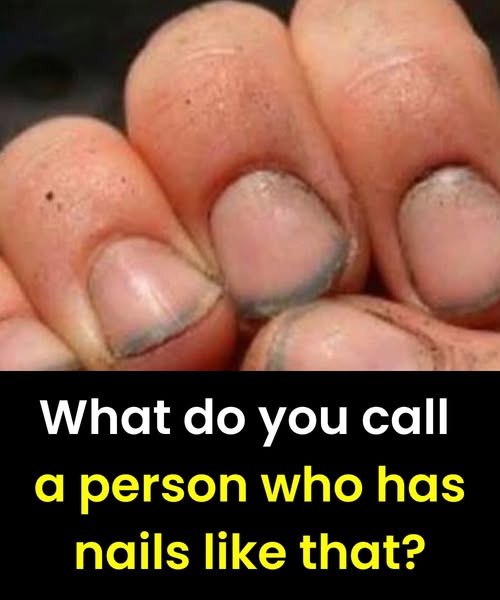
The picture depicts a hand with filthy edges and blackened fingernails. It’s the kind of detail that grabs notice right away. The inquiry that frequently follows appears straightforward at first glance, yet it shows a more profound aspect of perception:
“What is the term for a person with such nails?”
It seems like a simple question with a clear solution. A lot of individuals react right away based on their initial perceptions. However, the response frequently reveals more about the observer than the subject of the observation.
First Response: Personal Care
At first glance, dirty nails are commonly linked to poor hygiene. From early childhood, we are taught that washing our hands is essential. Germs can hide beneath fingernails. Bacteria spreads easily through touch, especially when hands come into contact with food, surfaces, or other people.
Keeping nails trimmed and clean is a simple health habit. It helps prevent illness and supports both personal and public well-being. In certain situations, consistently dirty nails may suggest neglect, particularly if someone has access to clean water, soap, and time to care for themselves but does not maintain those habits.
Cleanliness supports confidence. It encourages social comfort. It communicates self-respect. These values are important in homes, schools, workplaces, and public settings.
Yet that explanation does not always tell the whole story.
The Other Side: Honest Labor
Now consider a different possibility.
Those nails might belong to a mechanic who has spent hours repairing an engine, reaching into tight spaces coated with grease. They might belong to a gardener who has been turning soil and planting seeds under the sun. They could belong to a construction worker mixing concrete, a farmer harvesting crops, or a painter carefully finishing a wall.
Electricians, plumbers, welders, and carpenters often work with materials that cling to the skin. Soil, oil, dust, and paint can settle under fingernails and resist removal, even after thorough washing.
In many forms of manual labor, dirt is part of the process. It is not a flaw in character. It is a visible sign that work has been done.
For someone who spends the day building, repairing, planting, or maintaining essential systems, clean hands at every moment are not always realistic. The dirt may reflect productivity rather than carelessness.
In that context, darkened nails represent effort, responsibility, and contribution.
Context Changes Everything
A single physical detail can carry very different meanings depending on the circumstances.
At a formal dinner with no sign of recent activity, dirty nails might suggest poor hygiene habits.
At the end of a long shift on a construction site, they likely indicate dedication and physical effort.
On a volunteer helping clean debris after a natural disaster, they may represent service and compassion.
On a parent who has been repairing a broken fence in the yard, they show care for family and home.
Without understanding the setting, quick judgments easily turn into assumptions. Context shapes interpretation.
The Deeper Question
So what do you call someone with nails like that?
There is no single fair label.
You might call them a worker.
You might call them a builder.
You might call them a provider.
You might describe them as someone finishing a demanding day.
In certain cases, you might identify someone who could improve personal hygiene habits.
Each possibility exists. The accurate answer depends on the story behind the image.
That is where thoughtful observation matters.
What We Choose to See
Society often reacts quickly to visible signs of disorder. External appearance can influence how people are treated in professional and social settings. Clean, polished hands are sometimes associated with organization and status.
Yet many hands that appear spotless have not lifted heavy materials, repaired machinery, or planted food in the ground. Many hands marked with dirt have supported families, maintained infrastructure, and created tangible results that benefit entire communities.
Dirt can be removed with water and soap.
Work ethic, integrity, and dedication are far more enduring qualities.
Conclusion
Cleanliness remains important. Regular handwashing and nail care protect health and demonstrate respect for oneself and others. These habits reduce the spread of illness and promote overall well-being.
At the same time, respect for people carries equal weight. Before assigning a label based on what appears beneath someone’s fingernails, it helps to pause and reflect.
Are you witnessing neglect, or are you witnessing the aftermath of meaningful work?
Sometimes what looks untidy is evidence of responsibility. Sometimes visible grime represents hours of effort that support families and communities.
The question may begin with dirty nails. The answer often reveals how we choose to see others.