U.S. Ends Funding for Global Vaccine Alliance, Raising Fears for Child Health Worldwide
The United States government has announced a major shift in its global health policy, confirming it will end financial support for Gavi, the Vaccine Alliance—an organization that plays a central role in providing life-saving immunizations to children in low-income countries around the world. The decision marks a sharp departure from decades of bipartisan U.S. involvement in international vaccination efforts.
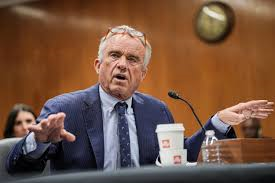
The move comes under the leadership of Health Secretary Robert F. Kennedy Jr., who has raised concerns about vaccine safety standards and questioned aspects of Gavi’s internal decision-making process. Administration officials say these concerns prompted a reevaluation of continued U.S. participation, ultimately leading to the withdrawal of funding.
For years, the United States has been one of Gavi’s most important contributors, historically providing about 13% of the organization’s overall budget. That support has helped fund vaccination campaigns protecting millions of children against preventable diseases such as measles, polio, and diphtheria. The end of U.S. funding now leaves a substantial gap as Gavi prepares for its 2026–2030 funding cycle.
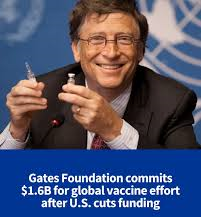
The announcement has drawn strong reactions from global health leaders. Bill Gates, whose foundation is one of Gavi’s largest supporters, warned that reducing aid for global immunization efforts could undo decades of progress. He emphasized that vaccines have been among the most effective tools for reducing child mortality worldwide and cautioned that funding cuts could result in an increase in preventable deaths.
“Cuts in global health aid could reverse decades of progress,” Gates said, expressing concern that children in the world’s poorest regions would bear the greatest consequences of the decision.
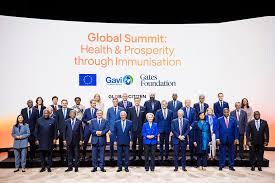
The funding shortfall is already evident. While a recent Global Immunization Summit secured more than $9 billion in pledges from international donors, the total fell short of Gavi’s $12 billion target. The loss of U.S. contributions significantly contributed to that gap, raising questions about how Gavi will maintain its vaccination programs at current levels.
In response, other international partners have begun stepping in. Donors including the European Union have pledged additional support to help offset the loss of U.S. funding. Even so, global health advocates caution that these contributions may not be enough to fully replace what the United States once provided.
Critics of the U.S. decision argue that the withdrawal risks undermining years of progress in childhood immunization, particularly in regions where healthcare infrastructure is fragile and vaccine access remains limited. Supporters of Gavi stress that even temporary funding disruptions can lead to long-term setbacks, including disease outbreaks and rising mortality among children.
As the organization moves forward without U.S. backing, the debate continues over the balance between national policy priorities and global public health responsibilities. What remains clear is that the decision represents a turning point in international vaccination efforts—one with potential consequences far beyond U.S. borders.