The Untold Story Behind a Controversial Figure
A Difficult Beginning
History often shows how early life challenges can shape a person but they never fully define who someone becomes. In rare and troubling cases, however, a combination of instability, neglect, and harmful influences can contribute to destructive paths. One of the most widely discussed examples is Charles Manson, whose name remains tied to one of the most shocking criminal cases in modern U.S. history.
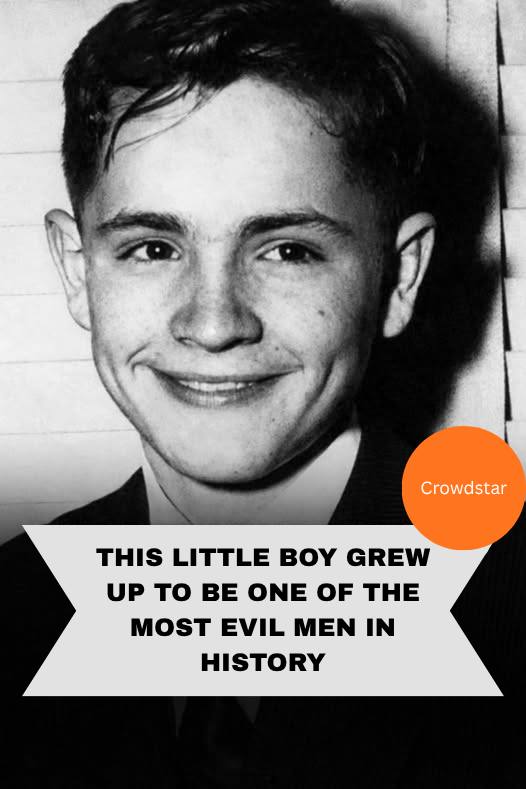
Born in 1934 in Cincinnati, Manson entered a world filled with uncertainty. His mother was only 16, and his father was absent. From the start, his life lacked the stability and consistent care that many children rely on during their formative years.
Frequent moves and changing guardians meant there was little structure or guidance. This environment of unpredictability would leave a lasting impact on his development.
Early Struggles and Behavioral Patterns
Manson’s childhood became even more unstable when his mother was imprisoned for robbery. He was placed with relatives and temporary caregivers, many of whom struggled to provide emotional support or consistency.
Reports from that time suggest discipline was often strict, while nurturing guidance was limited. By his early teens, he was already encountering trouble—skipping school, committing minor thefts, and clashing with authority figures.
Reform schools and juvenile detention centers soon became a regular part of his life. Unfortunately, these environments did not lead to meaningful change. Instead, they often reinforced defiance and deepened his disconnect from societal norms.
Psychological evaluations from his youth pointed to antisocial tendencies and difficulty adapting to structured systems—patterns that would continue into adulthood.
A Cycle of Crime and Incarceration
As he grew older, Manson’s encounters with the law intensified. Charges such as theft, fraud, and assault resulted in repeated prison sentences. Much of his early adult life was spent incarcerated.
During this time, he developed a keen ability to read people and understand their vulnerabilities—skills that would later become central to his influence over others.
He also explored various ideas, including religious concepts, philosophy, and elements of pop culture. Rather than forming a consistent belief system, he blended these influences into his own fragmented worldview.
These years didn’t reform him—they prepared him.
After his release in the late 1960s, Manson moved to Los Angeles, where he began attracting a group of followers. This group would later be known as the “Manson Family.”
They lived communally, including at Spahn Ranch. Many of his followers were young individuals searching for meaning, belonging, and direction.
Manson positioned himself as a leader who could provide those things. Over time, his influence deepened, gradually shifting from guidance to control.
He introduced an apocalyptic concept he called “Helter Skelter,” a phrase he took from a song by The Beatles—though his interpretation had no connection to its original meaning. He claimed it predicted chaos and societal collapse.
Within the group, these ideas became accepted as truth. Loyalty intensified, and critical thinking faded, creating an environment where his authority went largely unquestioned.
The Crimes That Shocked a Nation
In August 1969, a series of violent crimes in Los Angeles stunned the country. Members of the group carried out attacks over two nights, resulting in multiple deaths.
Among the victims was actress Sharon Tate, along with four others at her home. The following night, two more victims were killed in a separate incident.
Although Manson did not physically commit the acts, prosecutors argued that he orchestrated and influenced those involved. The case revealed the extent of his psychological control over his followers.
In 1971, he was convicted of first-degree murder and conspiracy. His original death sentence was later reduced to life imprisonment after changes to California law.
Years Behind Bars and Public Attention
Manson spent the rest of his life in prison, where he remained a figure of intense public interest. Media coverage and interviews continued to examine his personality, beliefs, and influence.
Despite decades in custody, there was no clear indication of remorse. His statements often reinforced the perception of a deeply complex and troubling individual.
He remained incarcerated until his death in 2017, but public fascination with his story has continued.
Lessons and Lasting Impact
The case surrounding Manson is often studied in fields like psychology, sociology, and criminal justice. It highlights how influence, vulnerability, and group dynamics can intersect in dangerous ways.
It also shifted public perception of the 1960s—a time often associated with peace and cultural change—by revealing a darker reality beneath the surface.
Most importantly, it serves as a reminder of how powerful ideas and persuasive individuals can shape behavior, especially among those seeking belonging or purpose.
A Cautionary Story
The life of Charles Manson does not offer simple explanations. While his early experiences provide context, they do not excuse the outcomes. Many people face hardship without causing harm to others.
His story underscores the importance of awareness, critical thinking, and personal responsibility. It also reminds us to focus not only on the figure at the center, but on the lives that were lost and forever impacted.