The Deep Emotional Meaning Behind Tattoos and Why Millions Choose Permanent Ink to Preserve Their Personal Stories
Tattoos Have Become More Than Simple Decoration
Tattoos have existed for centuries across many cultures and societies, often carrying spiritual, social, or symbolic significance. In modern times, however, tattoos have evolved far beyond trends or temporary fashion statements.
For millions of people, tattoos now serve as permanent expressions of identity, emotion, memory, and personal transformation. What once may have been viewed primarily as body decoration has increasingly become a deeply personal form of storytelling.
Every tattoo often represents an experience, relationship, or emotion that remains important long after the moment itself has passed. Many individuals choose tattoos because they want certain memories and meanings to remain physically present throughout their lives.
Personal Stories Often Exist Behind Every Design
Behind many tattoos lies a story that cannot easily be explained through ordinary conversation. Some tattoos symbolize joy and celebration, while others reflect grief, healing, survival, or emotional growth.
A design that appears simple to strangers may carry enormous emotional importance for the person wearing it. A small symbol, date, phrase, or image can represent years of experiences, struggles, or cherished memories.
For many people, tattoos become visual reminders of moments that permanently shaped their lives. The emotional connection behind the artwork often matters far more than the design itself.
Why Meaningful Tattoos Continue Growing in Popularity
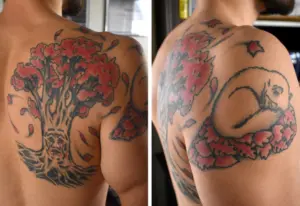
As emotional openness and self-expression have become more accepted in society, tattoos have increasingly been used to communicate personal identity and life experiences.
Unlike temporary fashion trends, meaningful tattoos often maintain emotional value for decades because they are connected directly to real events and relationships.
Many people describe tattoos as permanent reminders of lessons learned, people loved, or hardships overcome. The permanence of the ink gives those memories lasting physical presence.
In a world where experiences can feel temporary or fleeting, tattoos offer a way to preserve something meaningful forever.
Memorial Tattoos Carry Powerful Emotional Weight
One of the most emotional reasons people choose tattoos is to honor loved ones who have passed away. Memorial tattoos allow individuals to maintain a lasting connection to someone deeply important in their lives.
These tattoos often become sources of comfort during grief. They provide a sense that the memory of a loved one remains physically close even after loss.
Many people choose tattoos featuring names, birthdates, handwriting samples, portraits, or meaningful phrases connected to family members or close friends.
Others prefer symbolic artwork that quietly represents a shared memory or emotional bond without directly revealing the meaning to strangers.
Creative Memorial Tattoo Designs Continue Expanding
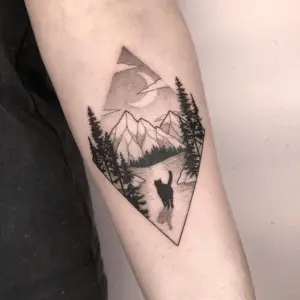
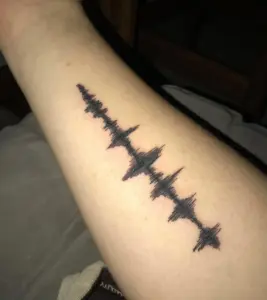
Memorial tattoos have become increasingly personal and creative in recent years. Some individuals choose designs based on voice soundwaves, heartbeat patterns, or symbols connected to specific family memories.
These tattoos often carry meanings understood only by the people closest to the experience. Even minimal designs can represent profound emotional attachment.
For many grieving individuals, tattoos become a permanent way to preserve love, memory, and emotional connection through art.
The growing popularity of memorial tattoos reflects how strongly people desire lasting reminders of relationships that shaped their lives.
Family Bonds Inspire Many Tattoo Choices
Family relationships continue to be one of the most common inspirations behind meaningful tattoos. Many people choose artwork connected to parents, grandparents, siblings, or children.
These tattoos often symbolize loyalty, heritage, resilience, and unconditional love. In some families, specific symbols or images carry emotional meaning across generations.
A flower, animal, object, or phrase may appear ordinary to outsiders while representing deeply personal family history to the person wearing it.
Some individuals describe these tattoos as modern heirlooms that preserve emotional connections through permanent artwork.
Pet Tattoos Reflect Deep Emotional Attachment
Pets are increasingly viewed as family members rather than simply animals, which explains why pet-related tattoos have become widely popular.
People frequently choose tattoos honoring dogs, cats, and other companions who played important emotional roles in their lives.
These tattoos often represent loyalty, companionship, comfort, and unconditional affection. For many individuals, the emotional connection with a pet remains deeply significant long after the animal is gone.
Popular pet tattoo designs include portraits, paw prints, names, silhouettes, or symbolic artwork connected to shared experiences and memories.
Tattoos Often Symbolize Survival and Recovery
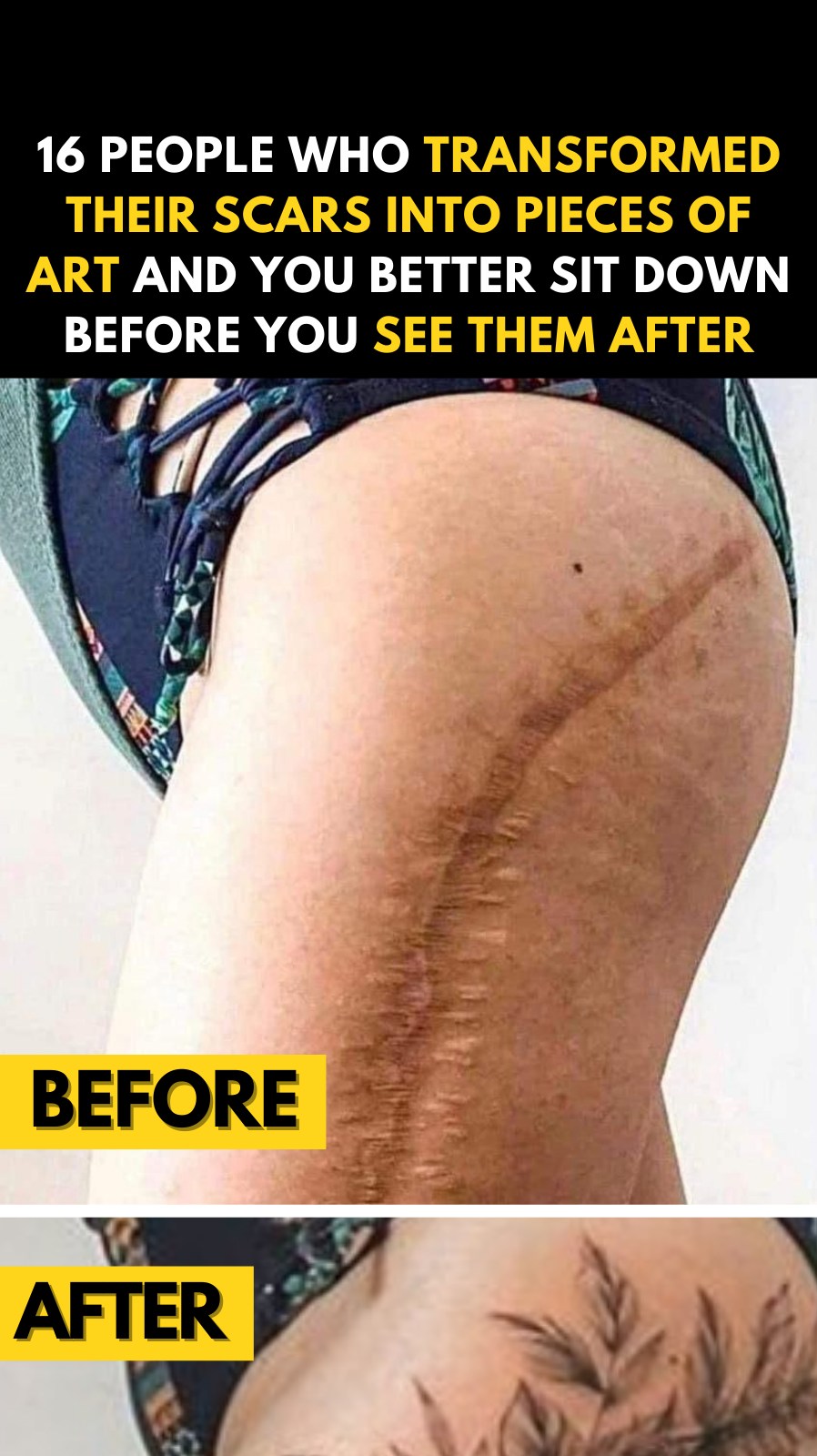
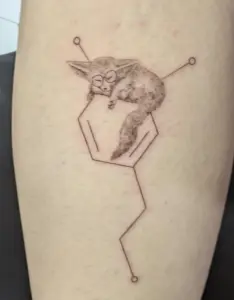
Many tattoos represent resilience after difficult life experiences. Individuals who have overcome illness, emotional trauma, addiction, or personal hardship often use tattoos to mark important moments in their recovery.
These designs can symbolize healing, strength, and the decision to continue moving forward despite pain or adversity.
For some people, tattoos become daily reminders that difficult chapters do not define their entire identity.
A meaningful phrase or image can carry enormous emotional power because it reflects personal endurance and transformation.
Mental Health Tattoos Carry Special Significance
Tattoos connected to mental health awareness have become especially meaningful in recent years. Among the most recognizable examples is the semicolon tattoo.
For many individuals, the semicolon symbolizes choosing to continue life despite emotional struggles or difficult periods.
The meaning behind the symbol comes from the idea that a sentence could have ended but continued instead.
People experiencing depression, trauma, anxiety, or suicidal thoughts often view the semicolon tattoo as a symbol of hope, survival, and emotional resilience.
The widespread recognition of the design has helped create supportive communities centered around understanding and emotional healing.
Matching Tattoos Often Represent Emotional Support
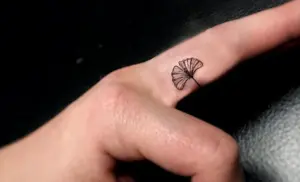
Some people choose matching tattoos with friends, siblings, parents, or partners as symbols of emotional connection and loyalty.
These shared designs often represent support during difficult times, important milestones, or lifelong relationships.
For many individuals, the emotional meaning behind the tattoo matters more than the appearance of the design itself.
Matching tattoos can symbolize unity, healing, trust, and the promise to remain emotionally connected despite changing circumstances.
Tattoos Frequently Challenge Social Assumptions
The meaning behind a tattoo is often invisible to strangers. A design that appears simple on the surface may actually represent grief, recovery, love, or years of personal struggle.
This hidden emotional depth continues to challenge stereotypes surrounding tattoos in modern society.
Many people carry emotional stories beneath their tattoos that outsiders may never fully understand. A tiny symbol or brief phrase can represent deeply personal experiences that shaped someone’s identity.
The growing understanding of emotional tattoos has helped shift public attitudes toward body art across different generations and professions.
Tattoos Are Also a Powerful Form of Artistic Expression
Beyond emotional meaning, tattoos are widely recognized as a unique form of visual art. Tattoo artists often transform memories, ideas, and emotions into permanent designs that reflect both creativity and personal storytelling.
Each tattoo becomes a collaboration between artist and individual, combining technical skill with emotional significance.
Modern tattoo styles continue expanding, offering individuals more ways to express themselves through body art.
Popular styles now range from realistic portraits and handwritten text to watercolor designs, geometric patterns, and minimalist symbols.
Modern Tattoo Styles Reflect Individual Identity
The diversity of tattoo styles allows people to create highly personalized artwork connected to their own experiences and personalities.
Some individuals prefer detailed realism, while others choose small minimalist symbols carrying quiet emotional meaning.
Every tattoo becomes unique because it reflects both artistic interpretation and personal significance.
The emotional impact of a tattoo often comes not from its size or complexity, but from the memories and emotions attached to it.
Public Attitudes Toward Tattoos Have Changed Dramatically
Over the past several decades, public perception of tattoos has shifted significantly. Tattoos are no longer associated only with narrow stereotypes or specific social groups.
People from nearly every profession, age group, and background now choose tattoos for personal and emotional reasons.
The widespread acceptance of tattoos reflects changing attitudes toward identity, emotional openness, and self-expression.
Many workplaces and communities that once discouraged visible tattoos now view them more neutrally as forms of individuality and personal storytelling.
Social Media Helped Expand Tattoo Culture
Social media has played a major role in changing how tattoos are viewed around the world. People increasingly share not only their tattoo designs but also the emotional stories connected to them.
These personal stories often reveal that tattoos represent grief, healing, love, survival, or important life milestones.
As more individuals openly discuss the emotional meaning behind their tattoos, public understanding of body art has continued evolving.
Tattoos are now often viewed as deeply personal reflections of identity rather than simple decoration.
Tattoos Reflect Universal Human Emotions
At their core, tattoos reflect something deeply universal about human nature. People naturally seek ways to remember meaningful experiences and preserve emotional moments that shaped their lives.
Tattoos provide a permanent method of carrying those experiences every day.
Whether honoring loved ones, celebrating survival, expressing identity, or preserving memories, tattoos often become emotional anchors in a person’s life.
For many individuals, tattoos are not simply art placed on the body. They are visual representations of life experiences, relationships, struggles, and transformation.
The Emotional Power of Permanent Ink Continues to Resonate
Unlike temporary forms of expression, tattoos remain physically present throughout life. That permanence gives them emotional weight many other forms of self-expression cannot fully match.
Each tattoo becomes part of a person’s history and identity over time.
The emotional appeal of tattoos continues resonating across cultures because the desire to preserve meaningful experiences is deeply human.
Although styles and traditions vary, the emotional motivations behind tattoos often remain remarkably similar worldwide.
Love, hope, grief, healing, resilience, and identity continue driving millions of people toward meaningful body art.
Tattoos Continue Serving as Permanent Life Stories
For many individuals, tattoos function as permanent chapters of life written directly onto the body. Every design carries a story connected to emotion, memory, or personal growth.
Those stories often remain emotionally important long after the tattoo itself becomes familiar.
The continued popularity of meaningful tattoos reflects the powerful connection between memory, identity, and artistic expression.
Behind every emotionally significant tattoo is often a story of survival, love, healing, transformation, or remembrance.
For millions of people around the world, tattoos are far more than ink. They are lifelong reminders of experiences that helped shape who they became.