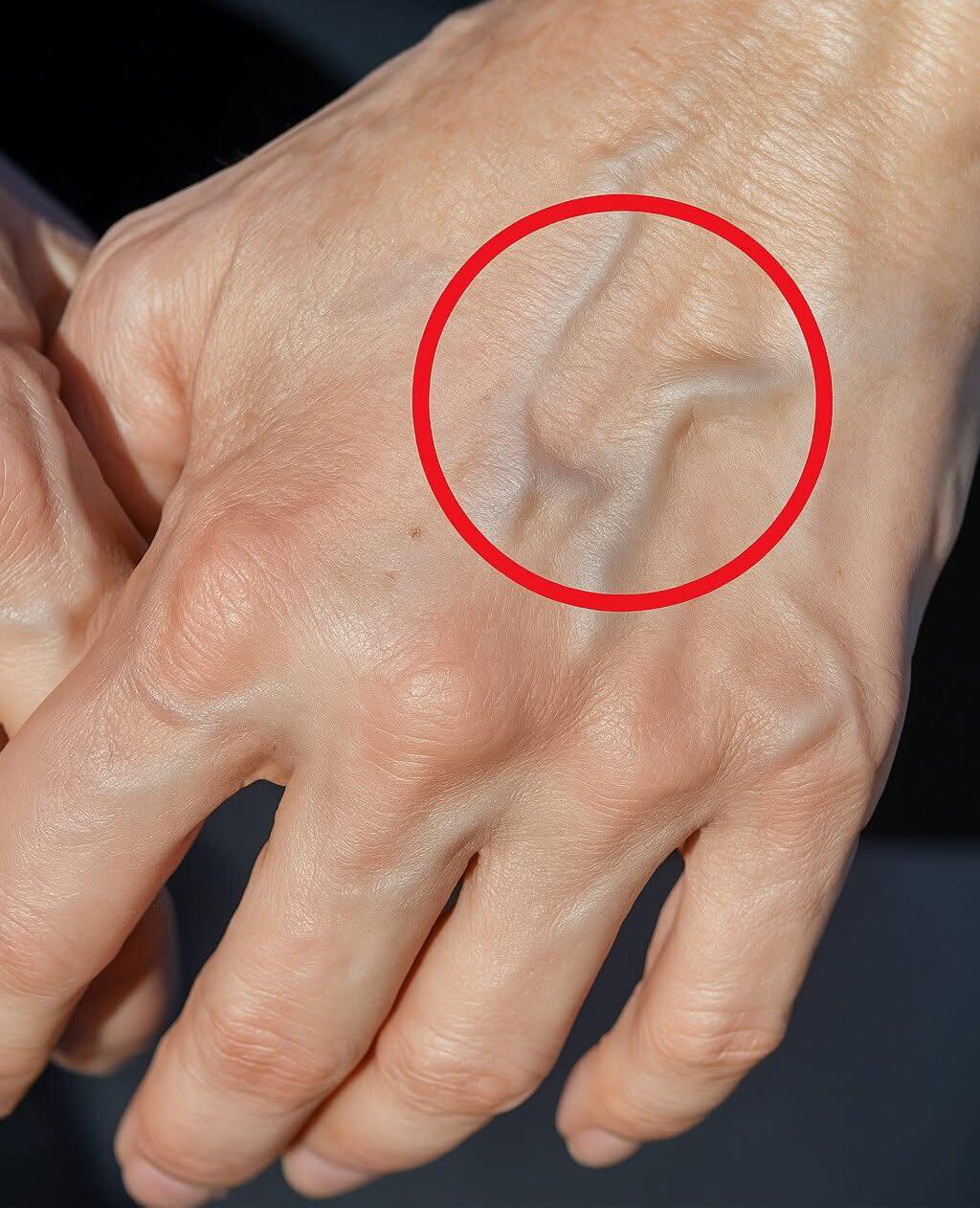
Sudden Visible Veins: Harmless Change or Something to Check?
Noticing veins popping up more prominently on your arms, legs, hands, or elsewhere can feel alarming, especially if it happens seemingly overnight. In most cases, these changes are completely benign and tied to everyday factors. However, understanding the reasons behind them and knowing the red flags can help you decide whether it’s just your body’s normal response or time to consult a professional.
Everyday Reasons Veins Become More Noticeable
Veins often stand out more due to temporary or lifestyle-related triggers that affect blood flow, skin thickness, or body composition:
- Intense physical activity or workouts Heavy lifting, cardio, or strength training increases blood flow and pressure, making superficial veins (especially in the arms and hands) bulge temporarily.
- Heat and hot weather Warm temperatures cause blood vessels to dilate, pushing veins closer to the surface and making them more visible.
- Low body fat or recent weight loss Thinner skin or reduced subcutaneous fat (common in athletes or after dieting) lets veins show through more easily.
- Aging and skin changes As we get older, skin loses elasticity and thins, revealing underlying veins. Sun damage over time can worsen this effect.
- Hormonal shifts Puberty, pregnancy, menopause, or birth control can increase blood volume and pressure, leading to more prominent veins.
- Genetics and fair skin Some people naturally have more visible veins due to family traits or lighter skin tones that don’t hide them as well.
- Dehydration or tight clothing These can temporarily concentrate blood flow or restrict it, highlighting veins.
These factors usually explain why veins seem to “appear out of nowhere” without any serious issue.
When Veins Signal a Potential Problem
While most sudden vein visibility is harmless, certain patterns or accompanying symptoms could point to vein-related conditions like varicose veins, chronic venous insufficiency, or—in rare cases more urgent issues:
- Varicose veins Enlarged, twisted veins (often on the legs) from weakened valves that let blood pool instead of flowing back to the heart efficiently.
- Spider veins Smaller, web-like clusters, often cosmetic but sometimes linked to the same valve problems.
- Inflammation or clots Conditions like phlebitis (vein inflammation) or deep vein thrombosis (DVT) can make veins swell, feel tender, or appear suddenly.
Look out for these warning signs that suggest it’s worth getting checked:
- Pain, aching, heaviness, or cramping in the affected area (especially legs)
- Swelling in the legs, ankles, or arms
- Redness, warmth, or tenderness along the vein
- Skin changes like darkening, itching, or texture shifts near the veins
- Bulging or twisted veins that don’t fade with rest or elevation
- Unusual patterns, such as prominent veins on the chest, abdomen, or one side only
- Sudden onset with no obvious trigger (like exercise or heat)
In rare instances, widespread or odd-patterned veins (particularly upper body) might relate to circulation changes or other internal factors, but this is uncommon without other symptoms.
When Should You See a Doctor?
Don’t hesitate to reach out to a healthcare provider or vein specialist if:
- Veins appear suddenly and stay prominent without explanation
- You have discomfort, swelling, or skin changes alongside them
- Symptoms affect daily life or worsen over time
- You’re simply concerned and want reassurance—many start with a simple ultrasound to rule out issues
Early evaluation is especially smart for peace of mind, as treatable vein conditions respond well to options like compression stockings, lifestyle tweaks, sclerotherapy, or minimally invasive procedures.
The Takeaway
Prominent veins are often just your body’s way of reacting to heat, exercise, hormones, or natural aging—no big deal for most people. Staying hydrated, maintaining a healthy weight, elevating legs when possible, and protecting skin from sun can help minimize visibility. But if something feels off or the changes come with pain or other symptoms, a quick check with a doctor is the smart move. Listening to your body and addressing concerns early keeps you feeling confident and healthy.