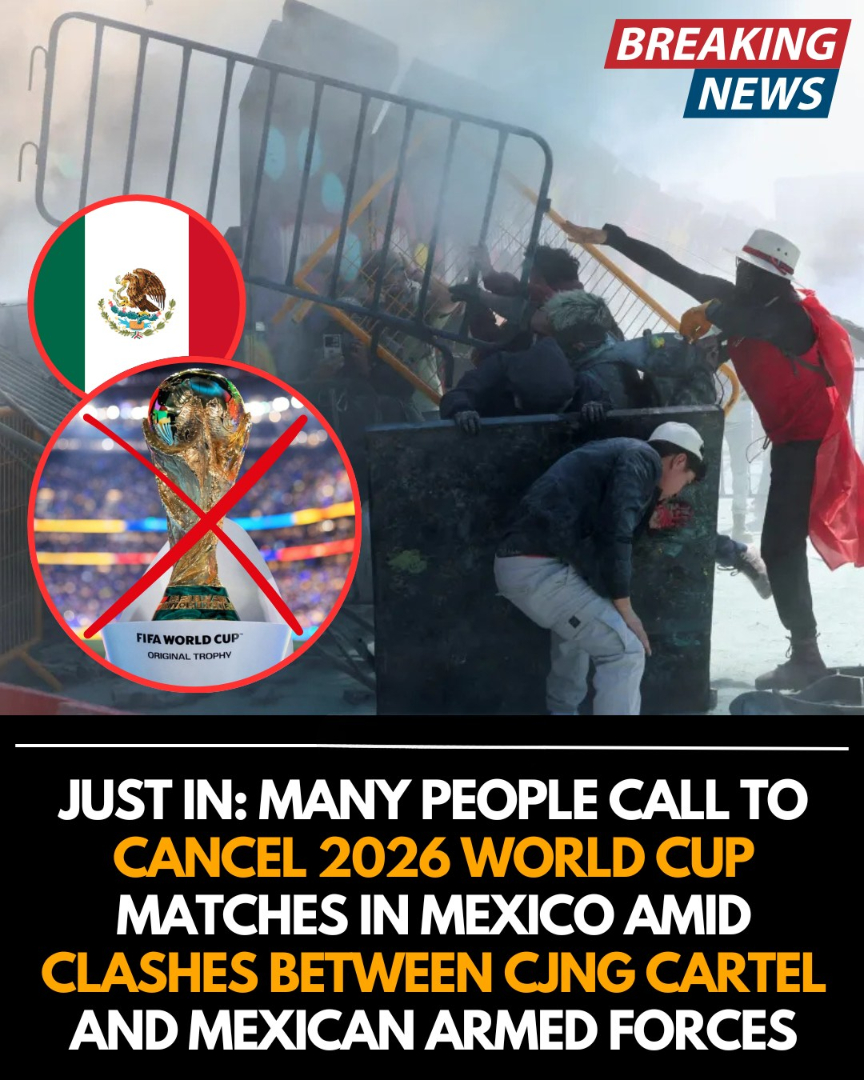
The recent surge in **social media discussions**
The recent surge in **social media discussions** stems from reports of intense clashes between Mexican armed forces and members of the **Jalisco New Generation Cartel (CJNG)**, one of Mexico’s most prominent criminal organizations. These incidents, which unfolded following a major military operation in Jalisco state on February 22, 2026, have prompted some online users to voice concerns about safety and even call for the cancellation or relocation of **2026 FIFA World Cup** matches scheduled to take place in Mexico.
As of February 23, 2026, no official announcements have been made by **FIFA**, the Mexican government, or local organizing committees regarding any modifications to the tournament’s plans. The **2026 FIFA World Cup**, a historic edition co-hosted by Mexico, the United States, and Canada, remains on track to proceed as scheduled from June 11 to July 19, 2026. Mexico is designated to host matches in three key cities: **Mexico City** (at the iconic Estadio Azteca), **Guadalajara** (at Estadio Akron), and **Monterey** (at Estadio BBVA).
Major international sporting events like the World Cup involve multilayered security planning well in advance. Host nations collaborate extensively with local law enforcement, federal agencies (including the Mexican National Guard and armed forces), international partners such as FIFA’s security team, and sometimes input from organizations like Interpol or neighboring countries. Preparations typically include advanced surveillance systems, increased patrols, anti-drone measures, specialized units (such as robotic patrol units in some areas), and comprehensive risk assessments to protect players, officials, fans, and the general public.
Security experts emphasize that large-scale global events have historically moved forward even in regions facing localized or intermittent security issues, as long as authorities can deploy effective mitigation strategies. For instance, past World Cups and Olympic Games have proceeded successfully amid heightened preparations despite regional challenges elsewhere in the host country. In Mexico’s case, officials have been reinforcing measures in host cities for months, focusing on stadium perimeters, transportation hubs, fan zones, and tourist areas to maintain a secure environment.
Public perception plays a significant role in these conversations. Widespread media coverage of security incidents can understandably raise questions about travel confidence, especially among international visitors planning to attend matches or explore the country. Social media platforms have amplified calls from some users to prioritize safety by potentially shifting games to other venues in the United States or Canada. However, such suggestions remain speculative at this stage, with no indication from official sources that relocations are under active consideration.
FIFA and the host governments maintain ongoing monitoring of the situation through regular risk evaluations. These assessments factor in evolving conditions, intelligence reports, and coordination with security forces to ensure the tournament can be delivered safely. Any potential adjustments would be based on verified data and announced through formal channels rather than social media speculation.
Travelers and fans are encouraged to rely on updates from official sources, including FIFA’s website, the Mexican government’s advisories, and embassy notifications from their home countries. While isolated incidents can generate significant online attention, the broader framework for the **2026 World Cup** continues to prioritize safety, international cooperation, and the celebration of football on a global stage. Official statements from tournament organizers and relevant authorities will provide the definitive guidance on whether any changes might be needed as preparations advance.