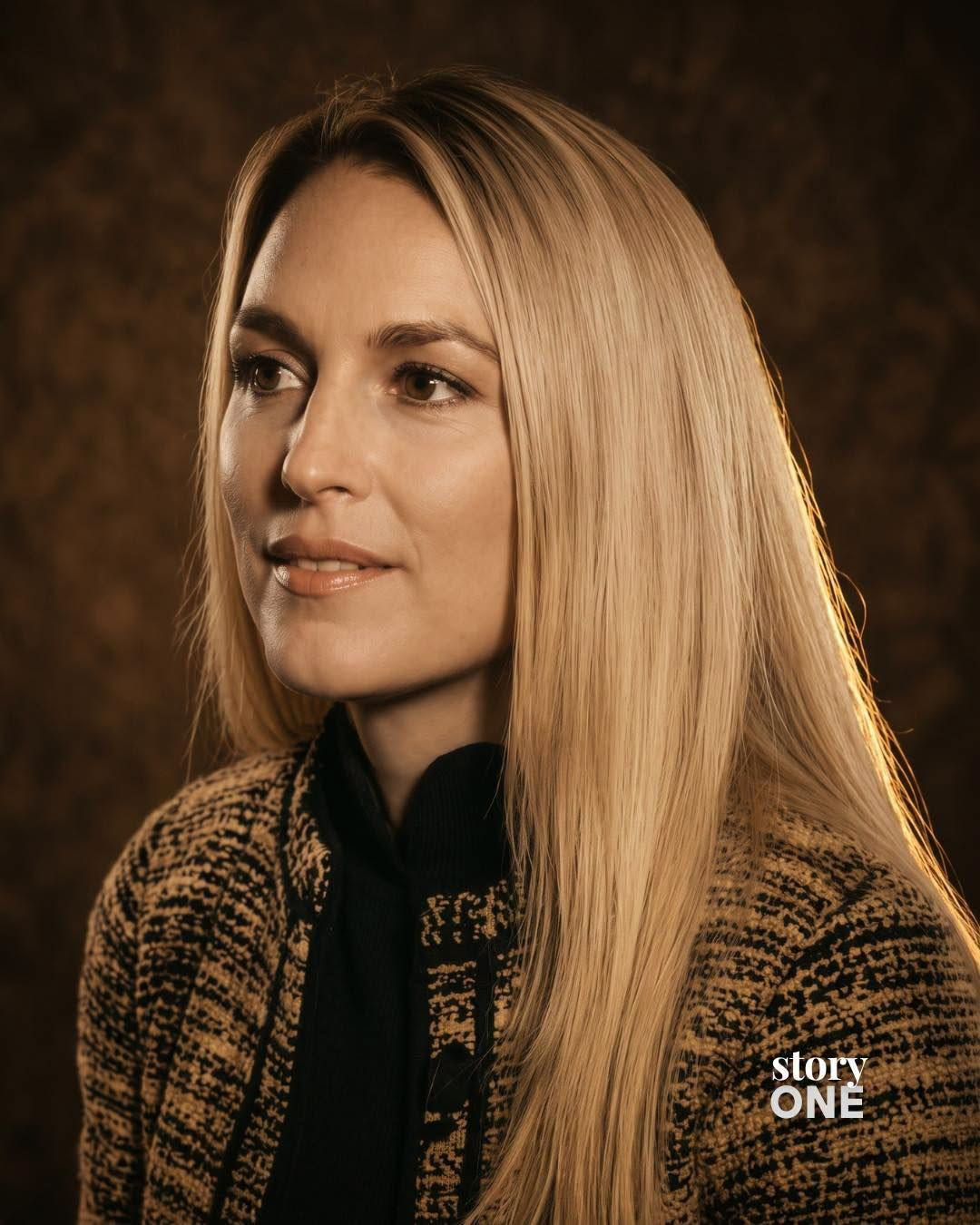
She fit sixteen people into a bathroom built for one
She fit sixteen people into a bathroom built for one. She refused to open the door when someone knocked. And because of those decisions, every child in her classroom made it home alive.
On the morning of December 14, 2012, twenty-nine-year-old teacher Kaitlin Roig-DeBellis was finishing morning meeting with her first-grade class at Sandy Hook Elementary School.
Fifteen children sat in front of her, all just six or seven years old. They had been talking about family holiday traditions, the kind of ordinary classroom conversation that was supposed to fill an ordinary December morning.
Then Kaitlin heard sounds elsewhere in the building.
Almost immediately, she understood that something was terribly wrong.
At the back of her classroom was a tiny bathroom. It was roughly three feet wide and four feet long, built for a single child.
Kaitlin moved all fifteen students inside.
There was barely enough room for them to stand. She lifted the smallest children onto the toilet paper dispenser, pressed the others tightly together, and somehow squeezed herself inside with them.
Then she dragged a heavy storage cabinet in front of the bathroom door.
And she held her students close.
Kaitlin told the children they had to remain completely silent. No talking. No crying out. No responding to anything they heard outside.
She told them the good guys were coming.
Then she said something no teacher expects to say to a room full of first graders.
She told them she loved them.
Kaitlin did not know what would happen next. She did not know whether those words might be the last thing her students ever heard from someone who cared about them.
So she made sure they heard them.
Inside the cramped bathroom, the children waited in darkness and silence.
They did not fully understand what was happening outside.
Kaitlin did.
And for those terrifying minutes, she carried that knowledge for all of them.
Eventually, the building grew quieter.
Then someone knocked on the classroom door.
Kaitlin did not move.
She had already decided that a knock would not be enough.
Anyone could knock.
If rescuers were truly outside, she reasoned, they would have keys.
So she kept fifteen frightened children hidden behind the bathroom door and continued waiting.
Only when she heard someone unlocking the classroom door from outside did Kaitlin finally allow herself to believe help had arrived.
The bathroom was opened.
Rescuers entered.
And every one of her fifteen students walked out alive.
Elsewhere inside Sandy Hook Elementary School, twenty children and six adults were killed that morning.
Twenty-six families received devastating news.
But fifteen families connected to Kaitlin’s classroom were told something different.
Their children were coming home.
Survival, however, did not mean the experience ended when Kaitlin left the school.
The aftermath followed her.
She spent weeks in therapy and wrestled with a question many survivors struggle to answer.
Why did I survive when others did not?
Kaitlin tried to return to teaching. She wanted additional safety measures inside her classroom and repeatedly asked for changes that would help her feel more secure.
Eventually, she was told she could accept the situation or take a leave.
She chose the leave.
Later, she resigned.
Teaching had been Kaitlin’s dream since childhood. Sandy Hook had been the school where she wanted to build that life.
Walking away from the classroom had never been part of the plan.
But Kaitlin eventually discovered another way to teach.
In 2013, she founded Classes 4 Classes, a nonprofit designed to connect classrooms through acts of kindness.
The idea was simple.
Children could learn empathy by helping people they had never met. Kindness did not have to remain an abstract lesson written on a classroom wall.
It could become something children practiced.
Compassion could become a habit.
Kaitlin also began speaking publicly about survival, hope, education, and what she had learned from the most terrifying day of her life.
Her work reached students, teachers, schools, and communities. She received honors, taught university courses, and slowly built a new life around many of the same lessons she had once taught inside Room 203.
But one of the most powerful moments came later that same school year.
The parents of her fifteen students arranged a reunion.
When the children saw Kaitlin, they ran toward her.
She opened her arms.
They surrounded her.
And she greeted them with the same familiar words she had used before everything changed.
“Hello, my Fantastic Friends.”
Then she told them she loved them.
Again.
Only this time, she was not saying those words because she feared they might be the last words the children would ever hear.
She was saying them because there was still a future.
Still another morning.
Still another classroom.
Still another chance to say them.
On December 14, 2012, Kaitlin Roig-DeBellis could not control what was happening elsewhere inside Sandy Hook Elementary School.
But she could control what happened to the fifteen children entrusted to her.
So she fit sixteen people into a bathroom designed for one.
She stayed when panic might have told her to run.
She refused to trust a knock.
She kept the children silent.
She held them close.
And every one of those fifteen first graders walked out alive.
Sometimes courage does not look dramatic.
Sometimes it is quiet.
Sometimes it is a teacher holding frightened children in the darkness, whispering the only words she can give them.
Stay quiet.
The good guys are coming.
I love you.