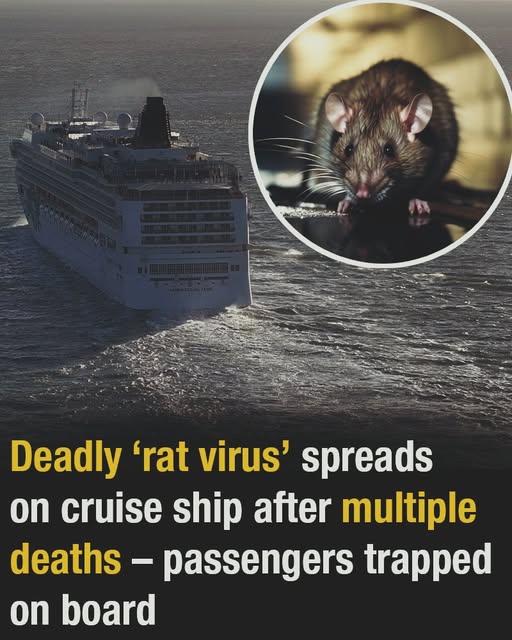
Online rumors of a potential “rat virus” breakout on a cruise liner have surfaced after reported passenger confinement and fatalities.
The cruise ship MV Hondius has become the center of an international health investigation after multiple passengers fell seriously ill during an expedition voyage in the Atlantic Ocean. According to reported information, the vessel is currently anchored off the coast of Cape Verde near Praia after being denied entry to port. The situation has raised concerns among global health authorities due to confirmed and suspected cases of hantavirus infection on board.
The ship, operated by Oceanwide Expeditions, had departed from Ushuaia in southern Argentina on March 20 for a long expedition cruise. The journey included planned stops across remote Atlantic island regions. However, what began as a routine expedition turned into a major medical emergency after several passengers developed severe symptoms consistent with infectious disease exposure.
Early Illness and First Fatalities
The first signs of trouble emerged when an elderly passenger in his 70s reportedly became ill during the voyage. He experienced symptoms including fever, headache, and diarrhea before later dying. At the time, the cause of illness was not immediately confirmed, but concerns quickly grew as additional cases began to appear among passengers.
On April 11, a Dutch male passenger died while on board or shortly after becoming critically ill. His wife also developed similar symptoms and was hospitalized. Despite medical intervention, she later died as well. Subsequent blood testing confirmed that she had been infected with hantavirus, marking one of the first confirmed cases in this outbreak.
Understanding Hantavirus and Its Transmission
Hantavirus is a rare but serious viral infection that is primarily associated with exposure to rodents. According to the U.S. Centers for Disease Control and Prevention (CDC), infection can occur through contact with infected animals such as rats and mice, particularly when humans are exposed to urine, droppings, or saliva.
The disease is not commonly transmitted between humans, although some investigations have considered whether unusual circumstances may allow for alternative transmission routes. Symptoms can include fever, fatigue, muscle aches, and in severe cases, respiratory complications. Because of its rarity and severity, hantavirus outbreaks are treated with high caution by health authorities worldwide.
Escalation of Cases Onboard the Vessel
Following the confirmed deaths, additional cases began to emerge among passengers and crew aboard the MV Hondius. A third passenger reportedly died on board, and according to reports cited by international news agencies, the body remained on the vessel at the time of reporting. Authorities have not publicly confirmed all identifying details related to the deceased individuals.
At the same time, another confirmed case involved a British male passenger who was evacuated to South Africa on April 27. He was admitted to an intensive care unit and placed in isolation due to the severity of his condition. Reports indicate that he remains in critical condition while receiving treatment.
Quarantine Conditions and Movement Restrictions
As the situation developed, restrictions were placed on passengers and crew aboard the cruise ship. No individuals were permitted to leave the vessel while investigations and medical assessments were ongoing. This decision was taken as a precautionary measure to prevent any potential spread of infection and to allow health authorities to assess the situation properly.
The ship, carrying approximately 149 people in total, has remained anchored off the coast of Cape Verde after being denied entry into port facilities in Praia. The restriction reflects growing concern from local and international authorities regarding possible infectious risk and containment procedures.
Public Health Investigation and WHO Involvement
The World Health Organization (WHO) has become involved in the investigation to determine the nature and extent of the outbreak. As of May 4, 2026, health officials reported a total of seven identified cases linked to the situation aboard the ship. These include two laboratory-confirmed cases of hantavirus and five suspected cases.
According to official statements, the outbreak has also been associated with three reported deaths, one critically ill patient, and additional individuals experiencing milder symptoms. Health authorities are working to determine whether all cases are directly linked or whether multiple transmission sources may be involved.

Ongoing Concerns and Medical Uncertainty
One of the key concerns in the investigation is whether the virus may have spread between humans under the unique conditions of a cruise ship environment. While hantavirus is typically associated with animal-to-human transmission, the close living conditions aboard the vessel have prompted additional scrutiny.
Medical experts and investigators are continuing to analyze exposure risks, onboard conditions, and potential environmental factors that may have contributed to the outbreak. At this stage, no final conclusions have been publicly released regarding the exact source or transmission pathway.
Impact on Passengers and Cruise Operations
The situation has had a significant impact on passengers aboard the MV Hondius, many of whom have experienced prolonged uncertainty and restricted movement during the ongoing health response. The ship’s itinerary, which originally included multiple planned stops, has been suspended as authorities prioritize containment and medical evaluation.
Passengers have been required to remain onboard while health checks and monitoring continue. The emotional and logistical impact of such an extended medical situation at sea has been considerable, particularly given the remote location and limited access to immediate external medical facilities.
The outbreak aboard the MV Hondius represents a rare and serious public health event at sea, involving confirmed hantavirus cases, suspected infections, and multiple fatalities. While investigations are still ongoing, the situation highlights the challenges of managing infectious diseases in isolated maritime environments.
Health authorities, including the WHO, continue to monitor the situation closely as further analysis is conducted. The focus remains on understanding how the outbreak developed, ensuring proper medical care for affected individuals, and preventing any further spread.