One of the World’s Deadliest Foods Is Eaten Every Day
Some of the most tempting foods in the world also carry serious risks. Hidden within certain plants and seafood are natural toxins capable of causing paralysis—or even death—if they aren’t handled correctly. One of the most striking examples is cassava, a crop widely eaten across South America and other tropical regions, where it serves as a vital source of carbohydrates for millions of people.
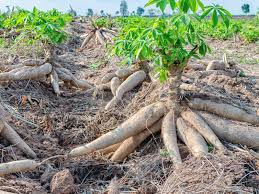
Cassava’s roots and leaves contain compounds known as cyanogenic glycosides. When the plant is cut, crushed, or improperly prepared, these compounds release cyanide, earning cassava a place among the world’s most dangerous foods. Consuming it without proper processing can result in severe health problems, including goiters, nerve damage, paralysis, and in extreme cases, death. Each year, poorly prepared cassava is responsible for hundreds of poisonings and can leave survivors with permanent disabilities.

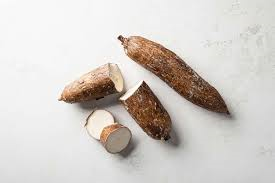
Despite these dangers, cassava remains essential for survival in many parts of the world. Its ability to grow in poor soil makes it a dependable food source where few alternatives exist. To make it safe, communities rely on time-tested methods such as soaking the roots for at least 24 hours, fermenting them, or thoroughly cooking them. These processes break down the toxic compounds and remove the cyanide.
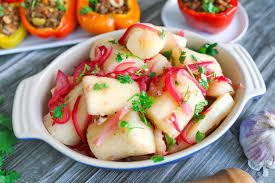

Cassava is just one example of how nature can blur the line between food and poison. Many traditional dishes require precise knowledge and careful preparation, reminding us that nourishment and danger can exist side by side. When handled correctly, this potentially lethal plant becomes a reliable and life-sustaining staple—but without that knowledge, the consequences can be deadly.