More Than Preference: How Colors Reflect Your Mood and Mind
The Hidden Language of Colors
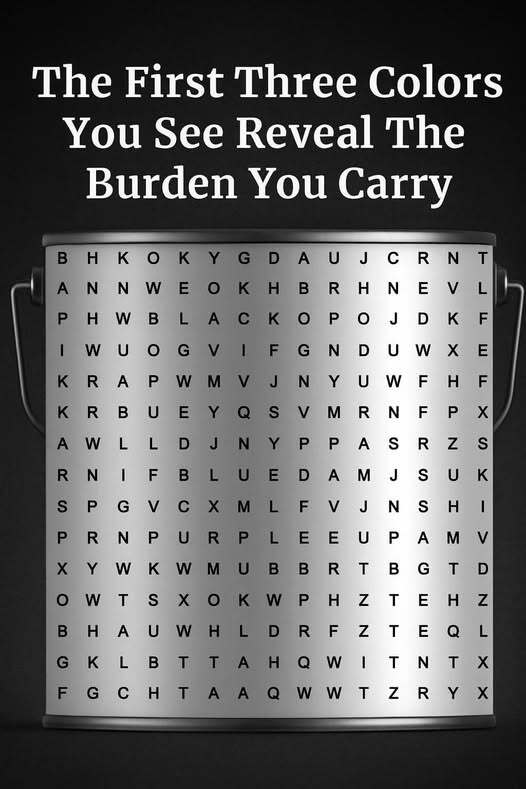
Colors speak before we do. Without a single word, they stir emotions, memories, and moods. They act as a subtle language that communicates straight to the heart. While many of us treat color as a simple preference—“I like blue” or “I avoid yellow”—our choices often mirror our inner world.
Red is bold and passionate, radiating energy and desire. It empowers but may also reveal restlessness or unspoken frustration. People often reach for red when they feel drained, craving intensity and stimulation.
Blue, on the other hand, calms and soothes. It invites peace, clarity, and trust. Yet, an attraction to blue can also reflect distance, loneliness, or a quiet longing for serenity.
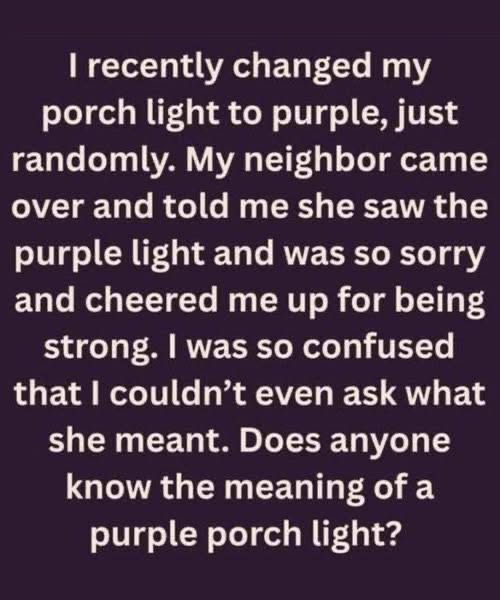
Purple carries mystery and transformation. It often surfaces during life shifts, symbolizing introspection, renewal, and spiritual change. For many, purple feels like a bridge between endings and new beginnings.
Our brains respond instantly to color. Light and shade can alter moods, while the hues we wear can make us feel powerful, secure, or invisible. Cultural meanings deepen this impact: white may represent purity in one society but mourning in another, while red can symbolize love, danger, or celebration depending on context.
The colors we surround ourselves with—sage green walls, a black hoodie, or a burnt-orange sweater—often express subconscious needs. These choices reflect comfort, healing, or protection, and they shift with life’s transitions such as breakups, moves, or new chapters.
Even the colors we resist carry meaning. Avoiding red might signal discomfort with intensity, while rejecting white could reflect grief or vulnerability. Our refusals say as much as our preferences.
Color speaks when words fail. Next time you’re drawn to a shade, pause and listen. It may reveal truths about your emotions long before you consciously recognize them.