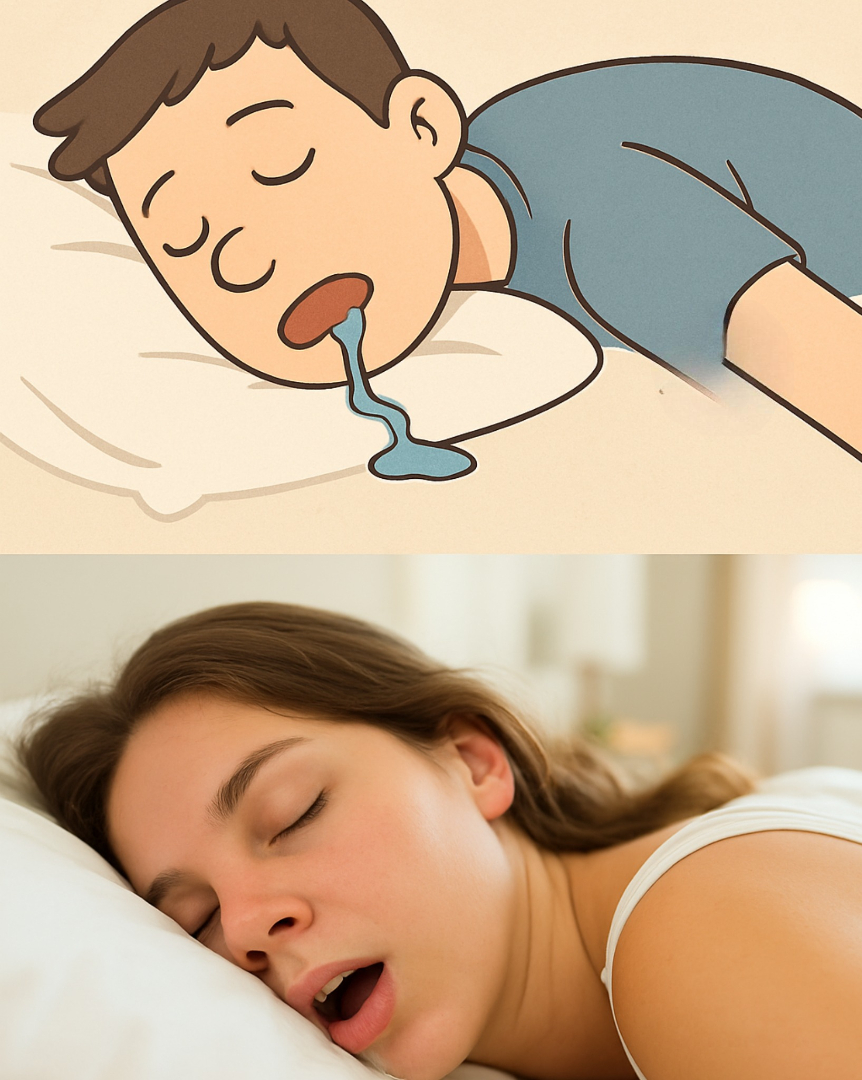
If you drool while sleeping often, check for these 6 diseases
Excessive or frequent drooling while sleeping (also called nocturnal sialorrhea or hypersalivation) is often harmless. It commonly stems from sleeping position (e.g., on your side or stomach, allowing gravity and relaxed muscles to let saliva escape), mouth breathing, or temporary issues. However, persistent drooling can signal underlying conditions that increase saliva production, impair swallowing, reduce muscle control around the mouth/throat, or cause nasal congestion.
The query likely refers to a popular health article or social media post listing 6 specific diseases/conditions. One widely shared version identifies these:
- Sleep Apnea (especially obstructive sleep apnea) — Repeated breathing pauses lead to mouth breathing, saliva pooling, and drooling. It often pairs with snoring, daytime fatigue, or gasping.
- Gastroesophageal Reflux Disease (GERD) / Acid Reflux — Stomach acid backing up irritates the esophagus, triggering extra saliva as a protective response (especially when lying down).
- Neurological Disorders (e.g., Parkinson’s disease, stroke, cerebral palsy, ALS, or others) — These impair swallowing, facial/mouth muscle control, or automatic saliva management, causing saliva to build up and spill during sleep. Parkinson’s is a classic example due to reduced swallowing frequency.
- Sinus Infections or Allergies — Nasal congestion forces mouth breathing; inflammation can also boost saliva production.
- Tonsillitis or Throat Infections — Painful swallowing leads to saliva accumulation; infections like strep or tonsillitis inflame tissues and increase drooling.
- Medication Side Effects — Certain drugs (e.g., antipsychotics like clozapine, some Alzheimer’s meds, sedatives, or muscle relaxants) increase saliva production or weaken swallowing/muscle control.
Other common or related causes from medical sources include dental problems (e.g., infections, misalignment), diabetes complications (via neuropathy or infections), or temporary issues like colds/sinusitis.
Important notes:
- Occasional drooling is normal for many people. Frequent, heavy drooling (e.g., soaking pillows nightly) with other symptoms (snoring, fatigue, swallowing difficulty, neurological changes, heartburn, or infections) warrants seeing a doctor.
- A healthcare professional (e.g., ENT, sleep specialist, or neurologist) may recommend a sleep study, allergy testing, or other evaluations. Treatments depend on the cause—such as CPAP for apnea, meds/lifestyle changes for GERD, or therapies for neurological issues.
- Do not self-diagnose; these are potential associations, not definitive proof of disease.
If this matches a specific article/video you saw or you have additional symptoms, provide more details for further clarification. Always consult a medical provider for personalized advice.