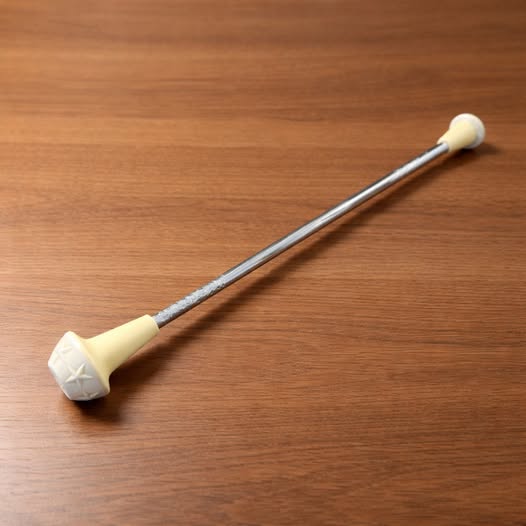
I discovered this in the closet of my grandparents. What is this? How should we use it?
Known for its use in parades, marching routines, and theatrical performances, the antique twirling baton is a distinctive representation of performance culture. Despite its seemingly straightforward appearance, it contributed to some of the most striking, rhythmic, and deft exhibitions of the early and mid-20th century.
Origins and History
Early in the 20th century, the vintage twirling baton gained popularity and was first associated with ceremonial and military customs. It eventually evolved into entertainment and took center stage in stage routines.
Key milestones include:
Early 1900s: Used mainly for military drills and ceremonial displays
1920s–1930s: Became widely popular through:
Competitive marching band routines
Cheerleading squads at high schools and colleges
This shift helped transform baton twirling into a recognizable mix of discipline, style, and showmanship.
Design and Materials
Most vintage twirling batons were made with practicality in mind—designed to be easy to control while allowing complex movement.
Common design features included:
Materials: Typically wood or metal
Structure: Simple, balanced form built for controlled rotation
Performance advantage: A carefully tuned balance that supported spins, flourishes, and trick work
How Vintage Batons Were Used
Vintage twirling batons were used to create visually striking performances in both formal and entertainment settings. They frequently appeared in:
Parades
Military drills
Halftime shows
Marching events and school performances
Performers used precise twirling techniques to produce:
Dynamic patterns in motion
Coordinated choreography with music or marching
Impressive tricks that kept audiences engaged
Why Baton Twirling Stood Out
Baton twirling is not only decorative—it requires a demanding mix of skills. Successful routines depend on:
Athleticism: Strength, control, endurance
Timing: Accurate rhythm and synchronization
Choreography: Planned movement and clean transitions
Artistic expression: Turning technique into graceful performance
Because of this, baton twirling became known for combining elegance with athletic prowess, delivering performances that were both disciplined and entertaining.
Conclusion
The vintage twirling baton represents a unique chapter in performance history. From ceremonial beginnings to school competitions and public shows, it evolved into a tool that helped performers create routines filled with precision, motion, and flair.