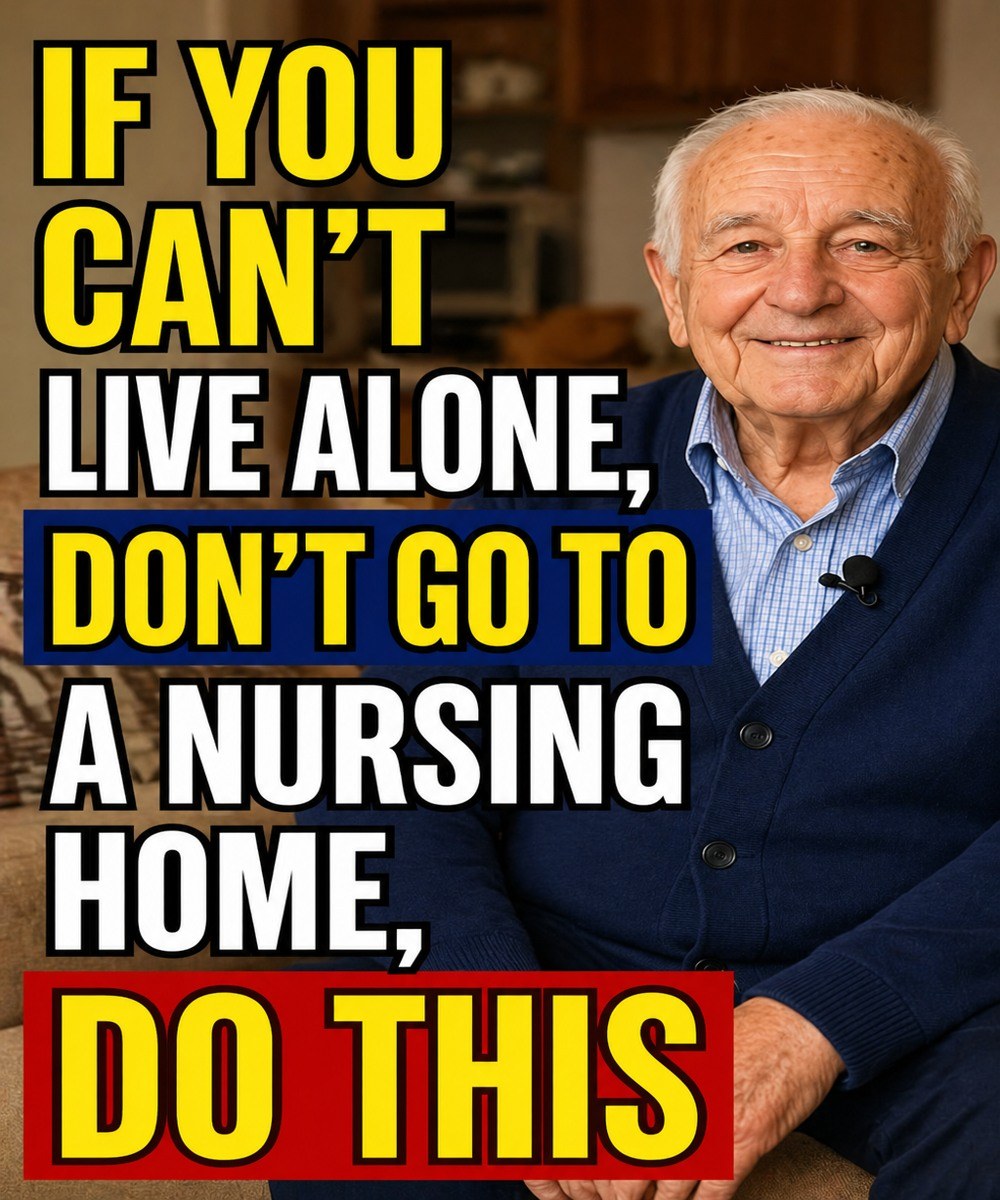
I Am 87 Years Old: If Living Alone Becomes Difficult, Consider These Alternatives Before a Care Home
I am 87 years old, and as I look back on the past years of my life, I understand something that I wish I had fully realized earlier. Aging does not simply change the body; it slowly reshapes the way we live, the way we think, and the way we depend on the world around us. There comes a point where independence begins to feel fragile, and even familiar routines require more effort than they once did. A few months ago, I reached a stage where living entirely on my own no longer felt completely safe. Small mistakes started to happen more often.
I forgot whether I had taken my medication. I left appliances on without noticing. One afternoon, I walked out to buy something simple and suddenly found myself unsure of how to return home. It was not a dramatic moment, but it was deeply unsettling. My daughter noticed these changes before I wanted to admit them. She reacted with concern, and I understood her fear. She began exploring care homes, speaking with professionals, and imagining what my future might look like in a structured facility.
At the time, I almost accepted that path, not because I wanted to leave my home, but because I thought there were no other realistic choices available to me. What I later came to understand is that the real issue was not my house itself. It was not the walls or the space I lived in. The deeper challenge was isolation. Living alone meant that small problems became larger because there was no immediate support nearby. The silence of an empty home can sometimes amplify uncertainty in ways that are difficult to explain.
One night, after struggling to sleep, I began thinking differently about my situation. I realized that what I truly needed was not replacement, but reinforcement. I did not need to abandon my life. I needed to rebuild the way support existed within it. That shift in thinking changed everything that followed.
The next morning, I decided to start small and speak honestly with the people around me. I approached my neighbor, Laura, who works from home and has young children. I explained that I was struggling with remembering my medication. Instead of asking her to take over my life, I simply asked for a small, consistent check-in each morning.
In return, I offered what I still had to give—my time, attention, and willingness to help. That simple exchange became the foundation of something meaningful. Now she visits briefly each morning with coffee, and in those few minutes, I take my medication with confidence. In exchange, I help her by picking up her children from school a couple of times a week and staying with them until she finishes work.
What began as a practical arrangement slowly became something more human. It was no longer just about assistance. It became about connection. Around the same time, I spoke with another neighbor, Pablo, who often returns home late in the evenings. I asked him if he would occasionally check in on me, and in return I accepted deliveries for him during the day so he would not miss them.
There was also Antonia, a widow like me, who lived nearby. We both struggled with household maintenance, especially cleaning. Instead of managing it alone, we decided to hire help together and share the cost. It was a simple decision, but it made something difficult suddenly feel manageable and less isolating.
Without any formal planning, something began to form around me—a quiet network of mutual support. It was not structured or official. It was built on everyday relationships. The local shopkeeper began noticing when I did not come by in the morning. The pharmacist helped me remember prescription dates. The greengrocer offered to deliver heavier items once a week.
None of these people were assigned caregivers. They were simply part of the environment I already lived in. But together, they created a system that supported me in ways I had not expected. It was not about dependence alone. It was about shared responsibility within a community that still functioned on human connection.
Over the following months, something important changed in my daily life. I no longer felt like I was constantly at risk of forgetting something critical. My home became organized again. My routines stabilized. But more importantly, I began to feel something I had not felt in a long time—purpose.
I started having conversations again that went beyond basic necessities. I had small responsibilities that mattered to others. I was not only receiving help; I was contributing in ways that were still meaningful. That balance made a profound difference in how I viewed myself.
Financially, this approach also proved practical. It cost far less than moving into a care facility, but that was not the most important aspect. The true value was emotional and psychological. I remained in my own home, surrounded by memories, familiar objects, and a sense of identity that had developed over decades.
I still sit in the same chair where I have spent countless hours reading and thinking. I still wake up in the same environment I know intimately. That continuity matters more than I once understood. It is not simply about comfort—it is about belonging.
For anyone approaching a similar stage of life, there are a few reflections I would offer. The first is honesty. It is important to recognize what is becoming difficult to manage alone, without letting pride interfere with clarity. Medication, safety, daily tasks—these must be assessed realistically.
The second is equally important: understanding what you can still contribute. Even if life has changed, there is still value in time, conversation, support, and presence. Contribution does not disappear with age; it simply changes form.
The third is awareness of your surroundings. Support is often closer than expected. It may already exist in neighbors, local businesses, or people you see regularly but have never asked for help. Community is not always formal—it is often quietly present.
When asking for help, it can also be meaningful to create balance. Mutual support, even in small ways, preserves dignity. It transforms relationships from one-sided care into shared connection, where both sides give and receive in different forms.
It is also important to stay flexible. Needs change over time. What works today may need adjustment tomorrow. Communication, honesty, and willingness to adapt are essential to maintaining any form of support system.
There are situations where professional care becomes necessary, especially when medical conditions become more complex or safety cannot be guaranteed. That reality should never be ignored or dismissed. But not every situation requires leaving one’s home or identity behind completely.
There is a meaningful difference between being cared for and being separated from your life. In structured facilities, safety is often prioritized, but familiarity and personal connection can sometimes be reduced. In a community setting, even a small one, a person may retain a stronger sense of identity and participation.
Growing older does not have to mean disappearing from the world around you. It can mean learning new ways of staying connected to it. With openness, communication, and small acts of cooperation, it is possible to create a life that remains both safe and personally meaningful.
Before making any irreversible decisions, it is worth pausing and considering alternatives. Sometimes the solution is not leaving everything behind, but allowing others to step closer into your life in ways that support rather than replace you.
And in that simple shift—from isolation to shared presence—something important can be preserved: the feeling of still being part of the world, not separate from it.