From Childhood Fame to Life on the Streets: The Tragic Reality of Tylor Chase
A wave of shock and sadness swept across social media this year after a viral video appeared to show former Ned’s Declassified School Survival Guide actor Tylor Chase living on the streets of Southern California. For many who grew up watching early-2000s Nickelodeon, seeing a familiar childhood face in visible distress was deeply unsettling—a collision of nostalgia and reality that sparked concern, debate, and uncomfortable questions about fame, mental health, and responsibility.
Chase may not be instantly recognizable by name, but his face is etched into the memories of a generation. On Ned’s Declassified, he played Martin Qwerly, the enthusiastic and hyper-organized hall monitor whose intelligence and earnestness made him a fan favorite. Nearly two decades later, that same face resurfaced not on television, but through cellphone footage captured by strangers—unfiltered, unguarded, and painful to watch.
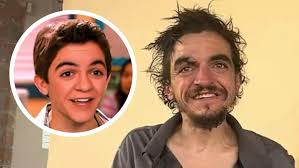
A Viral Moment That Sparked Alarm
One of the most widely shared clips shows Chase standing on a sidewalk in Riverside, California, wearing a worn Los Angeles Raiders polo shirt and frayed jeans. He appears confused and unsteady. When the person filming asks if he was on Disney Channel, Chase gently corrects them: “Nickelodeon. Ned’s Declassified School Survival Guide.” The exchange is brief, but its impact was profound—an unmistakable reminder of how far removed real life can be from scripted success.
In another video, a passerby offers him money. Chase instinctively attempts to give his watch in return, seemingly uncomfortable taking help without offering something back. The person declines the watch and hands him $20 anyway. That small interaction struck many viewers as both heartbreaking and human, revealing a mixture of dignity, confusion, and vulnerability.
Online reactions poured in almost immediately. Fans expressed grief and disbelief, some blaming the entertainment industry, others acknowledging the complex realities of adulthood and mental illness. Many struggled to reconcile the character they remembered with the man now standing on a sidewalk, filmed without context.

From Childhood Fame to Adult Struggles
Born September 6, 1989, in Arizona, Tylor Chase entered acting at a young age. In addition to his role on Ned’s Declassified (2004–2007), he appeared on Everybody Hates Chris and in the film Good Time Max. His gentle presence and youthful charm made him well-liked during his early career.
But like many child actors, the transition into adulthood proved difficult. After leaving television, Chase pursued creative outlets, including poetry and self-publishing two fantasy novels. Over time, however, struggles with mental health and substance use became more apparent, complicating his path forward.
Local reporting indicates that Chase has spent significant time living on the streets of Riverside in recent years, a city where his mother lives and where he has some local connections. Despite this, instability has persisted.
Outreach, Offers of Help, and Refusal
According to the Riverside Police Department, officers encounter Chase regularly—often weekly—and have offered assistance dozens of times. These offers include temporary housing, medical care, mental health services, and substance-use treatment. Police stress that Chase is polite, cooperative, and not wanted for any serious crimes.
Each time, he has declined help.
Officers say he insists he is not homeless and maintains that he remains in the area by choice, citing friends and family support. This has made intervention difficult, as adults generally must consent to services unless they meet strict criteria for involuntary care.
Court records show Chase has faced minor legal issues since mid-2023, including shoplifting and being under the influence of a controlled substance, though authorities emphasize he is not currently sought by police.
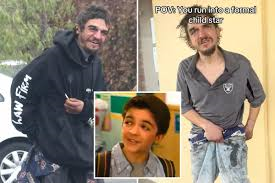
The Ethics of Going Viral
The public response has been conflicted. Many fans feel genuine concern and sorrow, while others question whether filming and sharing these moments crosses a line. Even well-intentioned videos can turn a person’s crisis into online content, blurring the line between awareness and exploitation.
A GoFundMe launched after the videos circulated raised over $1,200, but Chase’s mother, Paula Moisio, requested it be shut down. She explained that money was not the solution.
“Tylor needs medical attention, not money,” she wrote, adding that he struggles to manage finances and medication on his own. Her statement highlighted a critical reality often missed in viral compassion—cash alone cannot address severe mental health and addiction challenges.
Support From Those Who Know Him
Chase’s former co-stars have also spoken out. Devon Werkheiser, who played Ned, described Chase as a kind and sensitive person and expressed pain at seeing his struggles broadcast online. He emphasized how difficult it is to help someone battling addiction and mental illness when they do not want assistance.
Daniel Curtis Lee, who portrayed Cookie, has taken direct action. He reunited with Chase, provided food and temporary shelter, and helped secure a hotel room during bad weather. Lee has said he is continuing to explore long-term housing and treatment options, should Chase agree to them.
Actor Shaun Weiss, known for The Mighty Ducks and his own past experiences with homelessness and addiction, also stepped in. Weiss publicly announced that he had arranged a detox bed and treatment placement, urging people to help locate Chase so he could connect him with care. His involvement underscored how shared experience can sometimes open doors others cannot.
A Story Without Easy Answers
At the core of Tylor Chase’s situation is a difficult truth: meaningful help requires consent. Outreach teams, friends, former colleagues, and professionals can offer resources, but they cannot force acceptance unless legal thresholds are met. This reluctance is common among people facing serious mental illness, where fear, mistrust, or a desire for autonomy can outweigh perceived benefits of treatment.
Chase himself has spoken inconsistently about his condition, referencing medications and substances while denying formal diagnoses—reflecting the complicated relationship many people in crisis have with their own health.
There is no neat ending to this story. No dramatic resolution or moral bow to tie it together.
Instead, it challenges us to reconsider how we respond to visible suffering—especially when the person involved is someone we feel we “know.” Chase is not just a former child actor, and he is not content for social media consumption. He is a human being navigating an extraordinarily complex intersection of mental health, autonomy, and public scrutiny.
Tylor Chase does not need viral pity or fleeting attention. He needs sustained, trauma-informed care, professional support, and a culture willing to treat people in crisis with dignity rather than spectacle.