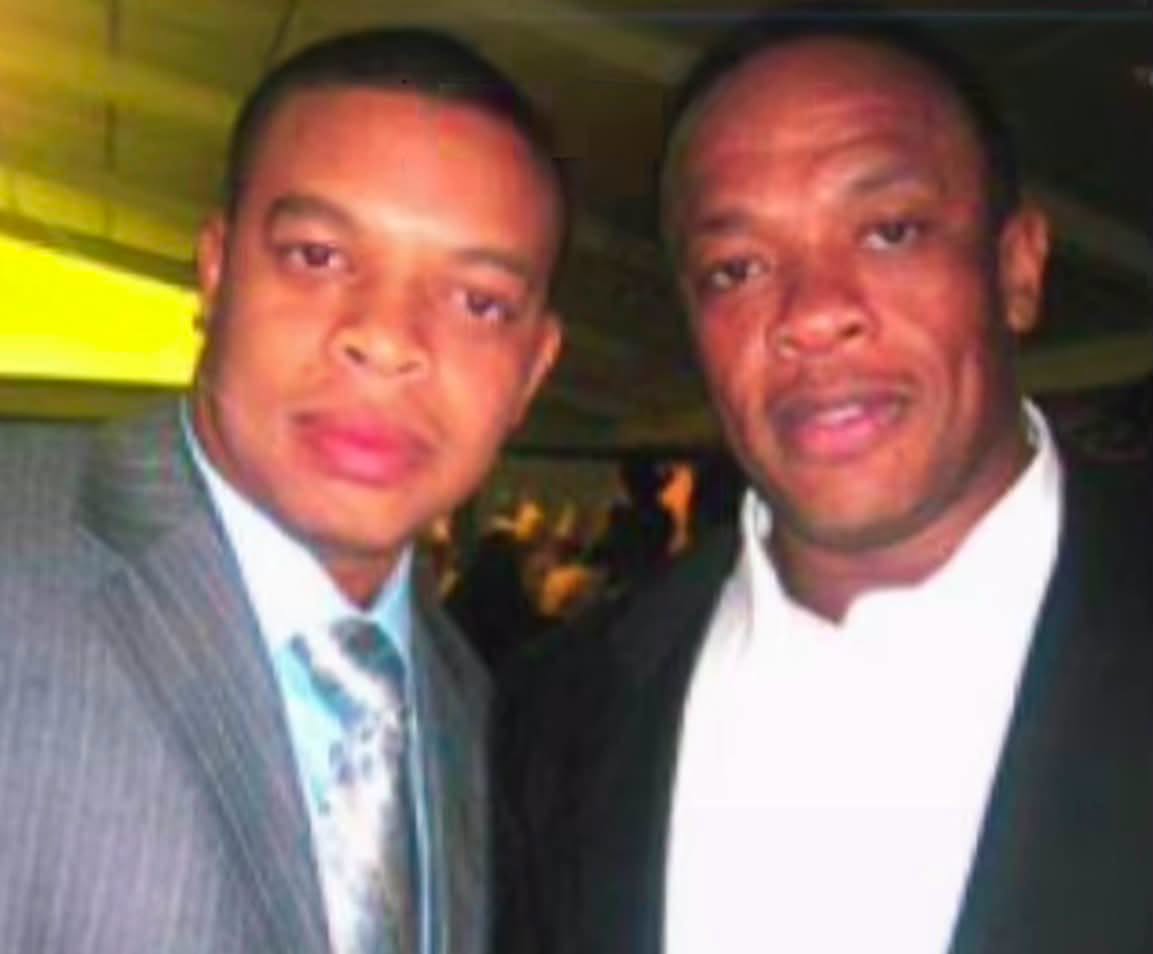
Dr. Dre’s Son Says He Was Told to Make It on His Own. It Raises a Bigger Question About Legacy.
Dr. Dre’s influence on music is beyond dispute. As a producer, executive and entrepreneur, he helped shape the sound of West Coast hip-hop, launched the careers of several of the genre’s biggest stars and built a fortune through Beats Electronics. But when the conversation turns from his professional legacy to his personal one, the picture becomes far more complicated.
A Son Raised Just Miles Away
In a recent appearance on the We In Miami podcast, Curtis Young, Dr. Dre’s son and a rapper in his own right, spoke about growing up in the same area as his father without knowing him. According to Young, the two did not meet until he was about 20 years old.
Young, who also pursued a career in music, described what happened when he hoped his father might help him break into the industry. Rather than opening doors, he said, Dre told him that the world would respect him more if he achieved success on his own.
For some listeners, that advice reflects a familiar philosophy of self-reliance. For many others, it was difficult to hear from a man with the resources and connections to change his son’s trajectory overnight.
Young’s story touches on a broader and often painful conversation, particularly within the Black community, about how wealth and opportunity are passed down.
A common belief holds that children should struggle the way their parents did, on the grounds that hardship builds character. Critics of that view argue it can quietly undermine the goal of building generational wealth. When a parent who has already overcome the obstacles chooses not to share the advantages they earned, each generation is left to start again from the beginning.
Families that build lasting wealth often do the opposite: they pass down capital, networks, education and guidance so their children begin further ahead than they did. Support does not have to mean handing over success. It can mean mentorship, an introduction, or simply a relationship.
Curtis Young’s account is not the first time questions have been raised about Dr. Dre’s relationships with his children. In 2020, his daughter LaTanya Young spoke publicly about financial hardship and said she had been living out of her car while working multiple jobs, drawing wide attention to the contrast between her circumstances and her father’s wealth.
Dr. Dre has generally kept his family life private, and outsiders see only part of any family’s story. Still, these public accounts have shaped how many fans view the man behind the music.
Dr. Dre’s achievements in music and business will likely be studied for decades. But Young’s story is a reminder that legacy is measured not only by what someone builds, but also by what they choose to pass on, and to whom.
For parents who reach a position of comfort, the question is worth asking directly: if you have the means to spare your children unnecessary hardship, why wouldn’t you?