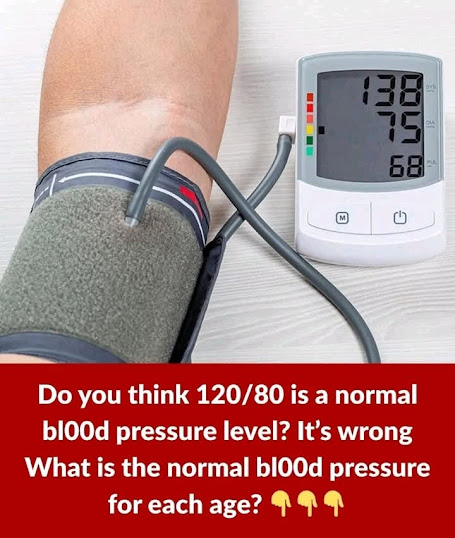
Blood Pressure by Age: Important Update: Age-Based “Normal” Ranges Are Not Used in Current Guidelines (Here’s Why)
You’ve likely heard the old rule: “Normal blood pressure is 100 plus your age” (e.g., 140/90 for a 40-year-old). This is dangerously outdated advice—and following it could put your health at serious risk.
Let’s clarify with current medical evidence: Major health organizations no longer define “normal” blood pressure by age. Elevated blood pressure harms arteries and organs at any age—and treating it saves lives, even in older adults.
⚠️ The Critical Update: Age-Based Targets Were Abandoned for a Reason
|
Old Belief (Pre-2017)
|
Current Medical Consensus
|
|---|---|
|
“Higher BP is ‘normal’ as you age”
|
❌ False—arteries don’t “need” higher pressure with age. Elevated BP damages organs regardless of age
|
|
“140/90 is acceptable for seniors”
|
⚠️ Outdated—2017 ACC/AHA guidelines lowered threshold to 130/80 for all adults
|
|
“Don’t treat BP in elderly—it’s risky”
|
❌ Debunked—landmark SPRINT trial showed treating to <120/80 reduced death/stroke by 27% in adults 75+
|
💡 Why the change? Decades of research proved: There is no “safe” high blood pressure. Every 20 mmHg increase in systolic BP doubles your risk of heart disease/stroke—starting at 115/75. Age doesn’t grant immunity.
✅ Current Blood Pressure Categories (ACC/AHA 2017 Guidelines)
Applies to adults 18+ — not age-adjusted:
✅ Current Blood Pressure Categories (ACC/AHA 2017 Guidelines)
Applies to adults 18+ — not age-adjusted
|
Category
|
Systolic (top)
|
Diastolic (bottom)
|
Action Required
|
|---|---|---|---|
|
Normal
|
<120 mmHg
|
and <80 mmHg
|
Maintain healthy lifestyle
|
|
Elevated
|
120–129
|
and <80
|
Lifestyle changes; monitor closely
|
|
Hypertension Stage 1
|
130–139
|
or 80–89
|
Lifestyle changes + consider medication if high cardiovascular risk
|
|
Hypertension Stage 2
|
≥140
|
or ≥90
|
Lifestyle changes + medication recommended
|
|
Hypertensive Crisis
|
>180
|
and/or >120
|
Seek emergency care immediately
|
📌 Key nuance: These categories apply to all adults—but treatment intensity should be individualized, especially for older/frail adults (see below).
🧓 Special Considerations for Older Adults (65+)
While BP targets aren’t age-based, treatment approach may be adjusted for:
|
Situation
|
Why It Matters
|
Clinical Approach
|
|---|---|---|
|
Frailty or multiple chronic conditions
|
Aggressive lowering may cause dizziness/falls
|
Target may be relaxed to <140/90 if patient experiences orthostatic hypotension or falls
|
|
Orthostatic hypotension (BP drops when standing)
|
Risk of falls increases with aggressive treatment
|
Check BP sitting and standing; avoid over-treatment
|
|
Cognitive impairment
|
Medication complexity may outweigh benefits
|
Simplify regimen; prioritize safety over strict numbers
|
|
Otherwise healthy 75+
|
SPRINT trial showed clear benefit of <120 target
|
Treat to <130/80 (or <120 if tolerated)
|
💡 Critical distinction:
→ Target relaxation ≠ “higher BP is normal”
→ It means individualized treatment to avoid harm—not accepting dangerous hypertension as inevitable
❌ Dangerous Myths That Still Circulate
|
Myth
|
Reality
|
|---|---|
|
“BP naturally rises with age—don’t worry”
|
❌ Arterial stiffening contributes to higher readings—but it’s a disease process, not normal aging. Exercise, diet, and medication can mitigate it.
|
|
“Older people need higher BP for brain perfusion”
|
⚠️ Partial truth—but only applies to severe orthostatic hypotension. Most seniors benefit from lower BP without cognitive harm (SPRINT-MIND trial confirmed this).
|
|
“If you feel fine, high BP isn’t dangerous”
|
❌ Hypertension is called the “silent killer” because damage occurs without symptoms until heart attack/stroke/kidney failure strikes.
|
✅ What You Should Actually Do (Regardless of Age)
- Know your numbers: Check BP at home (validated monitor) 2x/day for 1 week; average the readings
- Don’t rely on pharmacy kiosks: Often inaccurate; use upper-arm cuff monitors
- Lifestyle first:
- DASH diet (vegetables, fruits, low-fat dairy)
- Reduce sodium to <1,500 mg/day
- 150 mins/week moderate exercise
- Limit alcohol (<2 drinks/day men, <1 women)
- Medication if needed: Don’t fear it—modern antihypertensives are safe and prevent heart attacks/strokes
- Partner with your doctor: Discuss your risk factors (diabetes, kidney disease, family history) to set personalized goals
📊 Why This Matters: The Stakes Are Real
|
Systolic BP
|
Risk of Heart Disease/Stroke vs. 115 mmHg
|
|---|---|
|
115 mmHg
|
Baseline
|
|
135 mmHg
|
2x higher risk
|
|
155 mmHg
|
4x higher risk
|
|
175 mmHg
|
8x higher risk
|
💔 The human cost: Untreated hypertension causes ~500,000 deaths/year in the U.S.—many preventable with proper treatment.
💬 A Note on Global Variations
- U.S. (ACC/AHA): ≥130/80 = hypertension
- Europe (ESC): ≥140/90 = hypertension (slightly more conservative)
- Both agree: Lower is generally better if tolerated—and treatment benefits outweigh risks for most adults
🌍 Bottom line: Even with minor guideline differences, no major organization says “higher BP is normal with age.”
💡 Final Thought: Your Arteries Don’t Know Your Age
Your blood vessels suffer the same damage from 150/90 at 30 as they do at 70. The difference? At 70, you’ve had decades of that damage accumulating—leading to heart attacks, strokes, and kidney failure.
So ignore anyone saying “that’s normal for your age.”
Your blood pressure target isn’t determined by your birth year—it’s determined by what protects your organs and extends your healthy life.
Your blood pressure target isn’t determined by your birth year—it’s determined by what protects your organs and extends your healthy life.
“Aging isn’t an excuse for high blood pressure. It’s a reason to protect your heart more fiercely.”
Check your BP this week. If it’s consistently ≥130/80, talk to your doctor—not Google. Your future self will thank you. ❤️🩺
Disclaimer: This information aligns with 2017 ACC/AHA guidelines and 2023 updates. Individual treatment targets should be determined with your healthcare provider based on your full health profile. Never adjust blood pressure medications without medical supervision