“An Old Papaya Seed Tradition Making a Comeback”
Waking up with stiff knees, sore hips, or that familiar ache in your lower back can make even the simplest movements feel draining. What should be an easy walk to the kitchen or a short trip up the stairs suddenly requires effort. As the day goes on, the tightness often lingers, making it uncomfortable to sit too long, bend down, or move freely.
This kind of everyday joint and spine discomfort affects millions of people. Many learn to live with it quietly, adjusting their routines and searching for gentle, natural ways to feel more comfortable — especially options that don’t rely entirely on pills or harsh treatments.

That’s where curiosity often leads people back to traditional remedies.
One surprising example comes from something most of us throw away without thinking twice: papaya seeds. While the soft orange flesh of papaya is widely known for supporting digestion, the small black seeds inside the fruit have been used for generations in various cultures. In parts of Southeast Asia, Latin America, and the Caribbean, these seeds were traditionally dried, ground, or infused into simple home preparations.
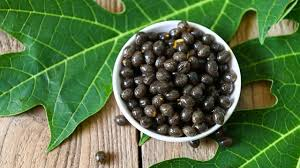
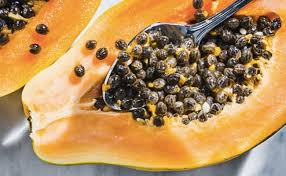
The reason? Papaya seeds contain concentrated plant compounds that have long been valued in traditional wellness practices. In recent years, interest in these old habits has resurfaced as more people look to natural, food-based ways to support everyday comfort and mobility.
Of course, not every traditional practice is right for everyone, and knowing how to use something properly matters just as much as knowing why people use it. Preparation, portion size, and consistency all play a role.
So before you dismiss those tiny black seeds as waste, it may be worth taking a closer look. In the next part, you’ll see how people traditionally prepare papaya seeds at home — and the simple precautions to keep in mind if you decide to try this age-old approach for yourself.