The Bible states that THE SIN OF CREMATION
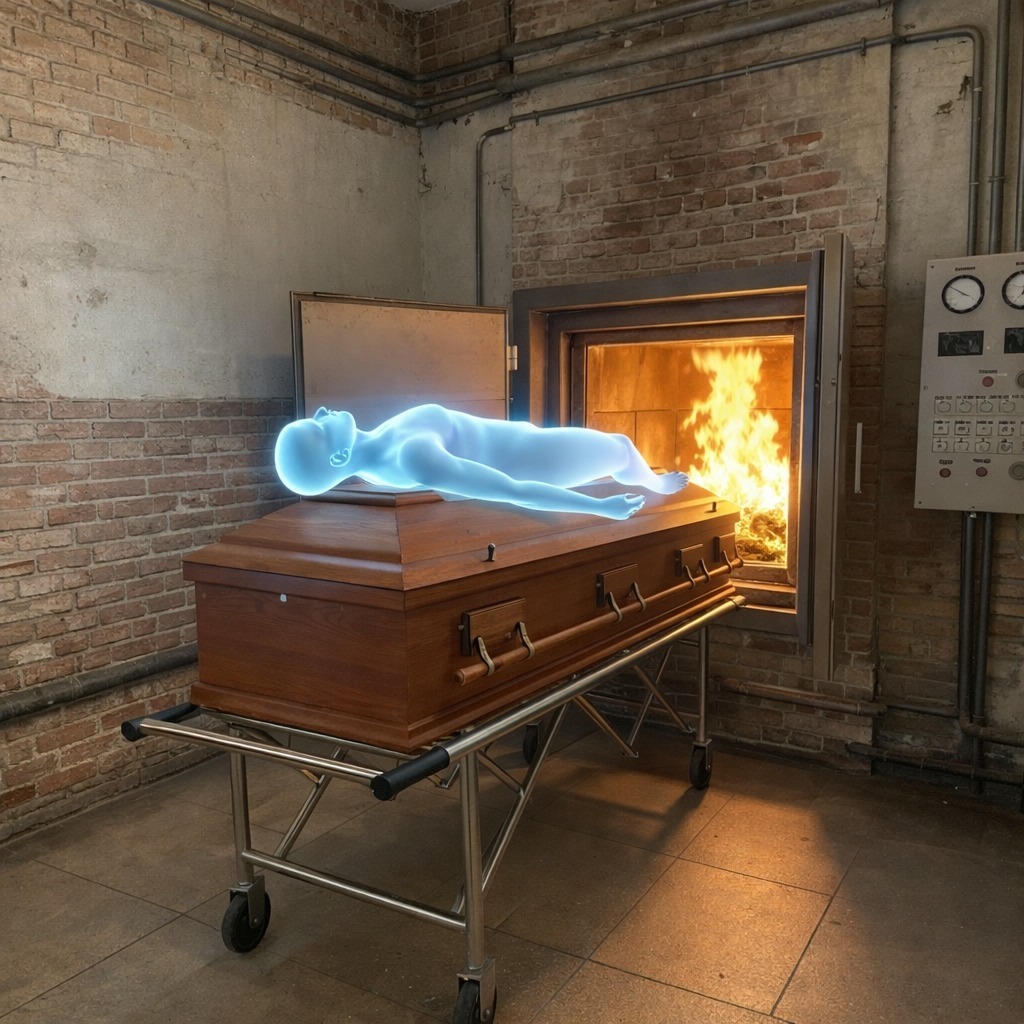
In recent decades, cremation has grown in popularity, especially in the West. Many families see it as a sensible and considerate substitute for traditional burial due to growing expenses, a shortage of burial space, and environmental concerns. However, the subject still raises issues of faith and tradition for a lot of Christians.
Many Christians are still unsure if the Bible considers cremation to be sinful. Because Christians’ perspectives on the body after death are shaped by scripture, symbolism, and centuries of tradition, this question frequently provokes discussion.
The Bible, however, does not explicitly forbid cremation. There is no commandment instructing believers to avoid it. Instead, the preference for burial comes largely from biblical custom and cultural context rather than direct teaching.
In scripture, burial was the most common practice. Figures like Abraham, Moses, and Jesus were buried, not burned. For this reason, burial became a sacred tradition, symbolizing peace, respect, and the hope of resurrection through Christ.
Throughout history, theologians have debated whether cremation dishonors the body, which scripture calls the “temple of the Holy Spirit.” Others argue that the soul, not the physical remains, is what matters most to God.
Culturally, burial has long symbolized reverence and continuity, while cremation was once associated with pagan rituals. Although modern cremation is motivated by practicality, this historic connection has made some Christians uneasy.
Today, many pastors and scholars agree that cremation does not affect one’s salvation or resurrection. God’s power to renew life is not limited by the form in which the body returns to the earth.
Ultimately, the decision between burial and cremation is deeply personal. For Christians, the focus lies not on the body’s resting place but on the eternal promise of life beyond death — a hope that transcends both ashes and dust.