Understanding Swollen Feet in Older Adults: Causes and Practical Management Tips
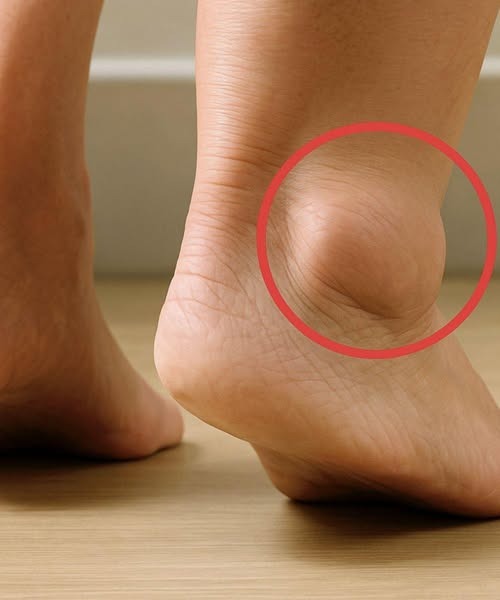
Swollen feet and ankles are a frequent concern for many older adults. Often appearing after long periods of sitting or standing, this condition—known as edema—can range from mild and temporary to more persistent. While it’s common with age, it’s not an inevitable part of getting older. Recognizing the causes and adopting simple habits can help reduce discomfort and support better circulation.
What Causes Swollen Feet in Seniors?
Edema happens when excess fluid builds up in the body’s tissues, especially in the lower legs, ankles, and feet due to gravity. Several factors can contribute:
- Reduced Circulation and Venous Issues Aging can make blood vessels less elastic, and vein valves may weaken over time. This leads to conditions like chronic venous insufficiency, where blood pools in the legs instead of returning efficiently to the heart.
- Prolonged Inactivity Sitting or standing for extended periods (such as during travel, desk work, or limited mobility) slows the muscle pump that helps move blood upward.
- Medications Some prescriptions for high blood pressure, diabetes, pain, or hormone-related conditions can cause fluid retention as a side effect.
- Underlying Health Conditions Issues such as heart problems (reduced pumping efficiency), kidney disorders (impaired fluid filtering), or liver conditions (lower protein levels affecting fluid balance) may play a role in more persistent cases.
- Lifestyle Factors High-sodium diets, excess body weight, or tight footwear can worsen fluid buildup by increasing pressure on veins or encouraging water retention.
In many cases, the swelling is mild and improves with rest. However, if it develops suddenly, is painful, affects only one leg, or comes with symptoms like shortness of breath or chest pain, it’s important to consult a healthcare professional promptly.
Simple Ways to Help Reduce and Prevent Swelling
Fortunately, several everyday strategies can make a difference in managing swollen feet:
- Stay Active Gentle movement, such as short walks, ankle pumps, or leg stretches, stimulates circulation and helps prevent fluid buildup.
- Elevate Your Legs Raise your feet above heart level for 15–30 minutes a few times a day (using pillows while lying down or reclining) to encourage fluid to drain away from the lower extremities.
- Wear Compression Garments Graduated compression socks or stockings provide gentle pressure that supports vein function—consult a doctor or pharmacist for the right fit and pressure level.
- Choose Comfortable Footwear Opt for well-fitting, supportive shoes that avoid constriction around the ankles or toes.
- Watch Sodium Intake A balanced diet with moderate salt helps prevent excess water retention. Focus on fruits, vegetables, lean proteins, and whole grains.
- Maintain a Healthy Weight Even small reductions in excess weight can ease pressure on leg veins and improve overall circulation.
By incorporating these habits, many older adults find relief and maintain greater comfort and mobility. Regular check-ups with a healthcare provider remain essential to address any underlying issues and ensure personalized guidance.
Note: This is general information only and not a substitute for professional medical advice. Always speak with a doctor about persistent swelling or new symptoms.