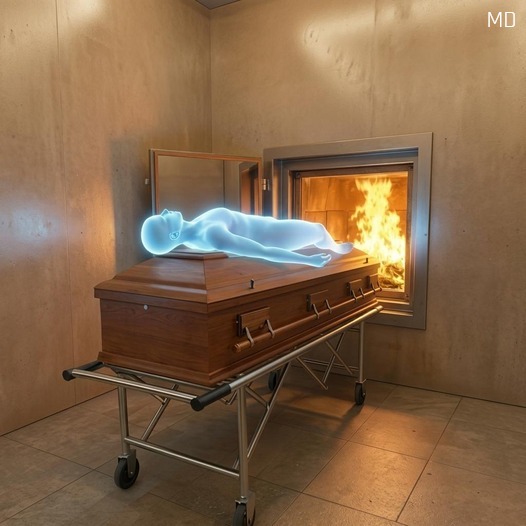
What the Bible Says About Cremation: Comprehending Various Views
In recent years, cremation has become a more common choice in many Western countries. Factors such as rising burial costs, limited cemetery space, and growing environmental awareness have led many families to consider it a practical and respectful alternative to traditional burial. While this shift reflects changing social preferences, it has also sparked thoughtful discussions within Christian communities. Many believers want to understand how cremation aligns with their faith, particularly when it comes to long-standing traditions and beliefs about the human body and life after death.
Historically, burial has been the most common practice among Christians. Biblical accounts often describe individuals being laid to rest in the earth, reflecting a deep respect for the body. The burial of Jesus Christ is especially meaningful, symbolizing hope and renewal. Early Christian teachings frequently used the image of a seed planted in the ground to represent the promise of resurrection. Because of this, burial became closely associated with faith in eternal life and was widely embraced for centuries as the preferred method.
However, it is important to note that the Bible does not contain a direct command that forbids cremation. While references to burning do appear in scripture, they are usually tied to specific historical situations rather than general guidance. Today, many theologians explain that cremation is not a matter of right or wrong, but rather a personal decision. They emphasize that faith is not determined by the physical condition of the body after death. The belief in resurrection centers on spiritual transformation, not the preservation of earthly remains.
As a result, most Christian denominations now accept cremation as an appropriate option. The focus of faith remains on the promise of eternal life and the hope found in Christ. Whether a person chooses burial or cremation, what matters most is the belief in a life beyond this world. In the end, the method of laying a loved one to rest does not change that promise. Instead, it is the faith, love, and remembrance shared by family and community that continue to hold lasting meaning.