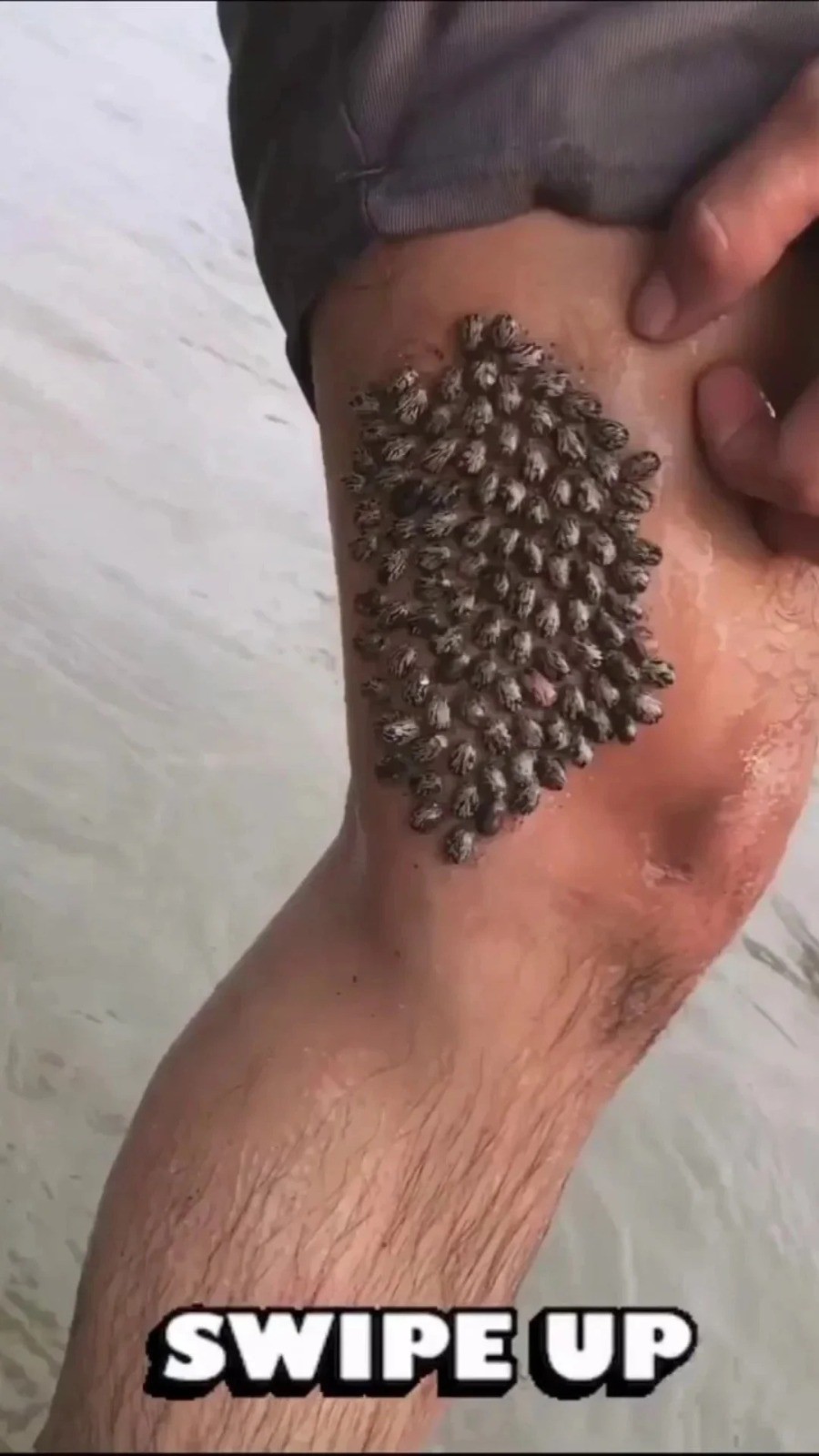
Why skin changes, such as redness or leg itching, can happen
Skin changes on the legs, such as redness, itching, or small bumps, are quite common and are usually harmless. Many people experience these symptoms at some point, often due to everyday factors. While they can be uncomfortable or concerning at first, they are typically mild and temporary.
One of the most common causes is simple irritation from shaving or hair removal. Razors can create tiny cuts or inflame hair follicles, leading to redness and itchiness. Wearing tight clothing can also rub against the skin, causing friction that results in irritation, especially during long periods of movement.
Heat and sweat can play a significant role as well. When sweat gets trapped against the skin, it can clog pores and lead to rashes or prickly sensations. This is especially common during warmer weather or after physical activity, when the skin remains damp for extended periods.
Dry skin is another major factor behind itching and rough patches. When the skin lacks moisture, it can become flaky, tight, and more sensitive to external irritants. This tends to worsen in colder seasons or in dry indoor environments where humidity levels are low.
Skin responses can occasionally happen when certain substances come into touch with the skin. Strongly scented soaps, lotions, or laundry detergents may cause mild allergic reactions or irritation. These symptoms can frequently be lessened by switching to mild, fragrance-free products.
Temporary redness and itching can also be brought on by insect bites or contact with plants. Usually moderate, these responses go away on their own in a short amount of time. Keeping the area clean and refraining from scratching can help stop more irritation or infection.
Minor allergic reactions may also lead to small bumps or itchy areas on the legs. Trying new skincare products or coming into contact with unfamiliar materials can trigger such responses. Identifying and avoiding the source is key to allowing the skin to recover.
If symptoms persist, worsen, or include pain, swelling, or unusual changes, it is important to seek professional advice. Taking simple steps like moisturizing regularly, staying hydrated, and using gentle products can go a long way in maintaining healthy, comfortable skin.