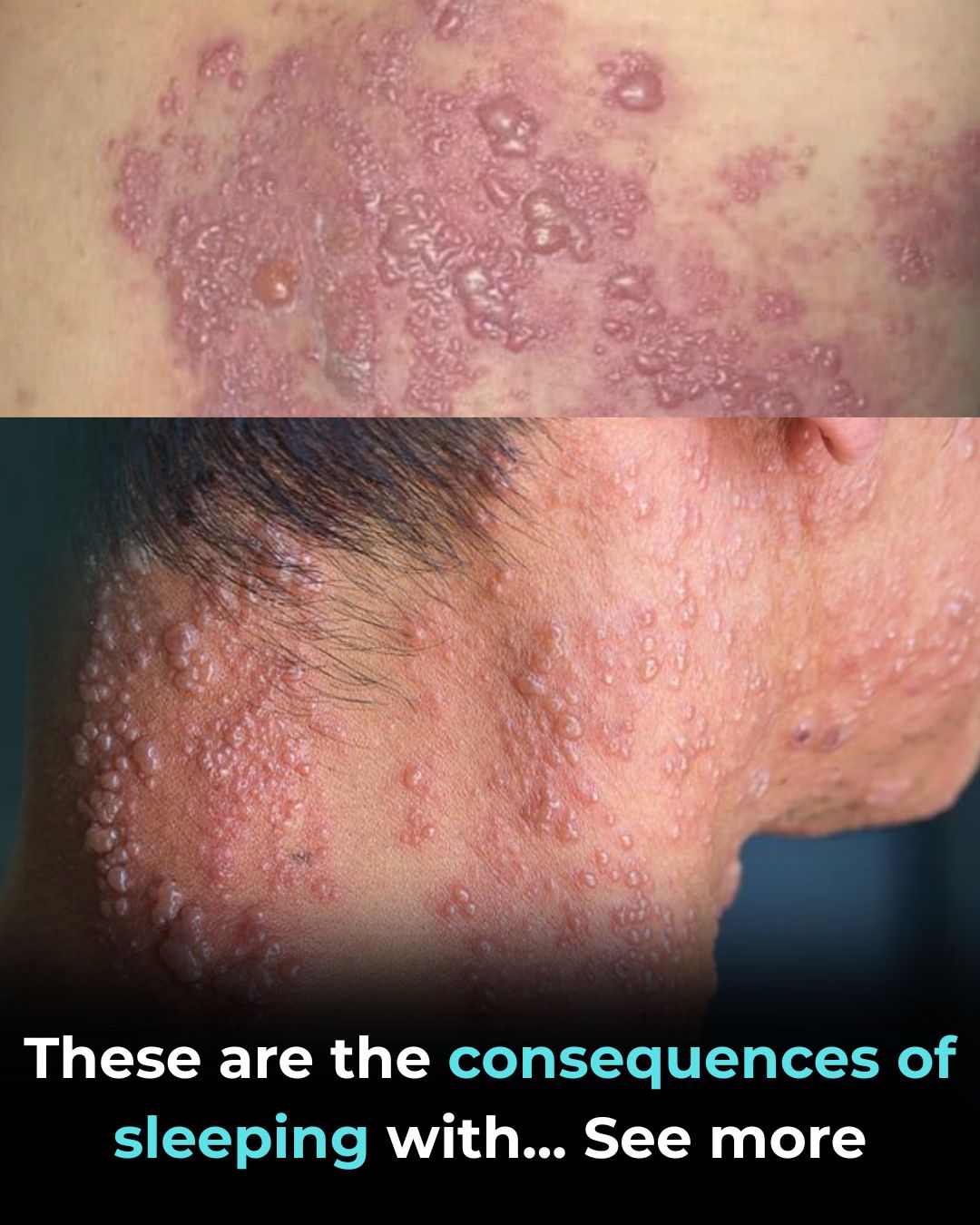
These Are The Consequences Of Sleeping With The Wrong Person
Doctors Are Warning Men About This Virus
In recent years, medical professionals have stressed the need for greater awareness about human papillomavirus (HPV). It is among the most widespread viral infections globally, affecting both men and women. However, public discussions often concentrate mainly on women’s health, ignoring the fact that men are also affected by HPV and its possible long-term effects.
HPV is frequently described as a “silent” virus. Many people are unaware they carry it because symptoms usually do not appear. Despite this, the virus can still lead to health problems later in life. By raising awareness, promoting vaccination, and adopting preventive habits, men can greatly lower their risks while also protecting their partners.
This article explores what HPV is, how it spreads, why it matters for men, and the practical steps individuals can take to protect their health.
What Is HPV?
HPV stands for human papillomavirus, a family of more than 200 related viruses. Some types are considered low-risk and may cause minor skin issues, while others are classified as high-risk and are associated with certain cancers.
Health organizations estimate that nearly every sexually active person will encounter HPV at some point. In many cases, the immune system clears the infection naturally within one to two years. However, when high-risk strains persist, they can result in more serious health complications.
Why Men Should Be Concerned

For men, HPV has been linked to:
Throat and mouth conditions related to high-risk strains
Skin growths in sensitive areas
A higher likelihood of certain cancers, including anal or oropharyngeal cancers
Because HPV is so common, it represents not just an individual health matter but also a broader public health concern.
How HPV Spreads
HPV spreads easily through close skin-to-skin contact. Transmission does not require the exchange of bodily fluids. Even when there are no visible symptoms, the virus can still pass from one person to another.
This hidden nature makes HPV challenging to detect and prevent without proactive health practices. Many individuals may not know they carry the virus until years later when related health conditions develop.
Lifestyle and HPV Risk
HPV can affect anyone. However, studies suggest that risk increases with greater exposure over time. Having multiple close relationships raises the chance of encountering a high-risk strain.
Even a single encounter can lead to exposure. The more frequently the body encounters new strains, the harder it may be for the immune system to clear them, increasing the likelihood of long-term infection.
Symptoms and Health Risks in Men

HPV Vaccines for Men: The Importance You Might Not Know About – มูลนิธิเพื่อรัก Love Foundation
HPV often produces no noticeable symptoms, which makes awareness especially important. When symptoms do appear, they may include:
Small growths in sensitive areas
Respiratory papillomatosis (growths in the airways)
Oropharyngeal cancers (affecting the throat, tongue, or tonsils)
Most infections resolve naturally, but persistent high-risk strains can cause serious health problems, highlighting the importance of prevention and monitoring.
The Emotional Impact
Beyond physical health effects, HPV can also influence mental well-being. Men who receive a positive diagnosis may feel anxiety or shame, often due to misinformation and social stigma.
Reducing stigma: Recognizing that HPV is extremely common helps remove unnecessary shame.
Encouraging openness: Honest conversations with partners build trust and shared responsibility.
Supporting mental health: Education and counseling can help individuals respond calmly and confidently.
Prevention Strategies for Men
1. Vaccination
Vaccination remains the most effective method for preventing HPV-related diseases.

Recommended age: 11–12 years
Catch-up vaccination: Up to age 45 for individuals not previously vaccinated
Effectiveness: Proven safe and highly effective against major high-risk strains
2. Safer Practices
Using protection during intimate contact can reduce risk, though it cannot eliminate it entirely because HPV may spread through uncovered skin.
3. Regular Checkups
Although there is no routine HPV screening test for men, regular medical checkups allow doctors to detect related conditions early.
4. Strengthening Immunity
A strong immune system helps the body clear HPV naturally. Maintaining a balanced diet, exercising regularly, managing stress, and avoiding smoking all support immune health.
5. Open Communication
Speaking honestly about health with partners encourages responsibility and reduces fear or stigma.
Common Myths About HPV
Myth 1: HPV only affects women.
Truth: Men can also develop health issues related to HPV.
Myth 2: No symptoms mean no infection.
Truth: Many infections show no signs but can still spread.
Myth 3: Only people with “risky” lifestyles get HPV.
Truth: Almost everyone encounters HPV at some point.
Myth 4: Men don’t need the vaccine.
Truth: Vaccination benefits everyone and helps limit the spread of the virus.
FAQs About HPV in Men
Q1: Can men be tested for HPV?
There is no standard screening test. Doctors typically check for visible signs or related cancers.
Q2: Does HPV always cause cancer?
No. Most infections clear naturally, and only persistent high-risk strains may lead to cancer.
Q3: If vaccinated, am I fully protected?
Vaccines protect against the most dangerous strains but not every type, so healthy habits remain important.
Q4: How long does HPV stay in the body?
In many cases, about 1–2 years, although some infections may last longer.
Q5: Can HPV return after clearing?
Reinfection can occur through new exposure, though vaccination helps reduce this risk.
Living With HPV Awareness
Most HPV infections do not cause lasting harm. Through vaccination, safer habits, and regular medical care, men can significantly lower their risks.
Being aware does not mean living in fear. It means staying informed, making responsible decisions, and helping protect the wider community. Through education and open conversations, stigma can be reduced and prevention efforts strengthened.
✅ Key takeaway: HPV is widespread but largely preventable. Awareness, vaccination, and responsible habits remain the strongest protection—for both men and women.