What It Really Means When You Find a Centipede in Your Home (And What to Do About It)
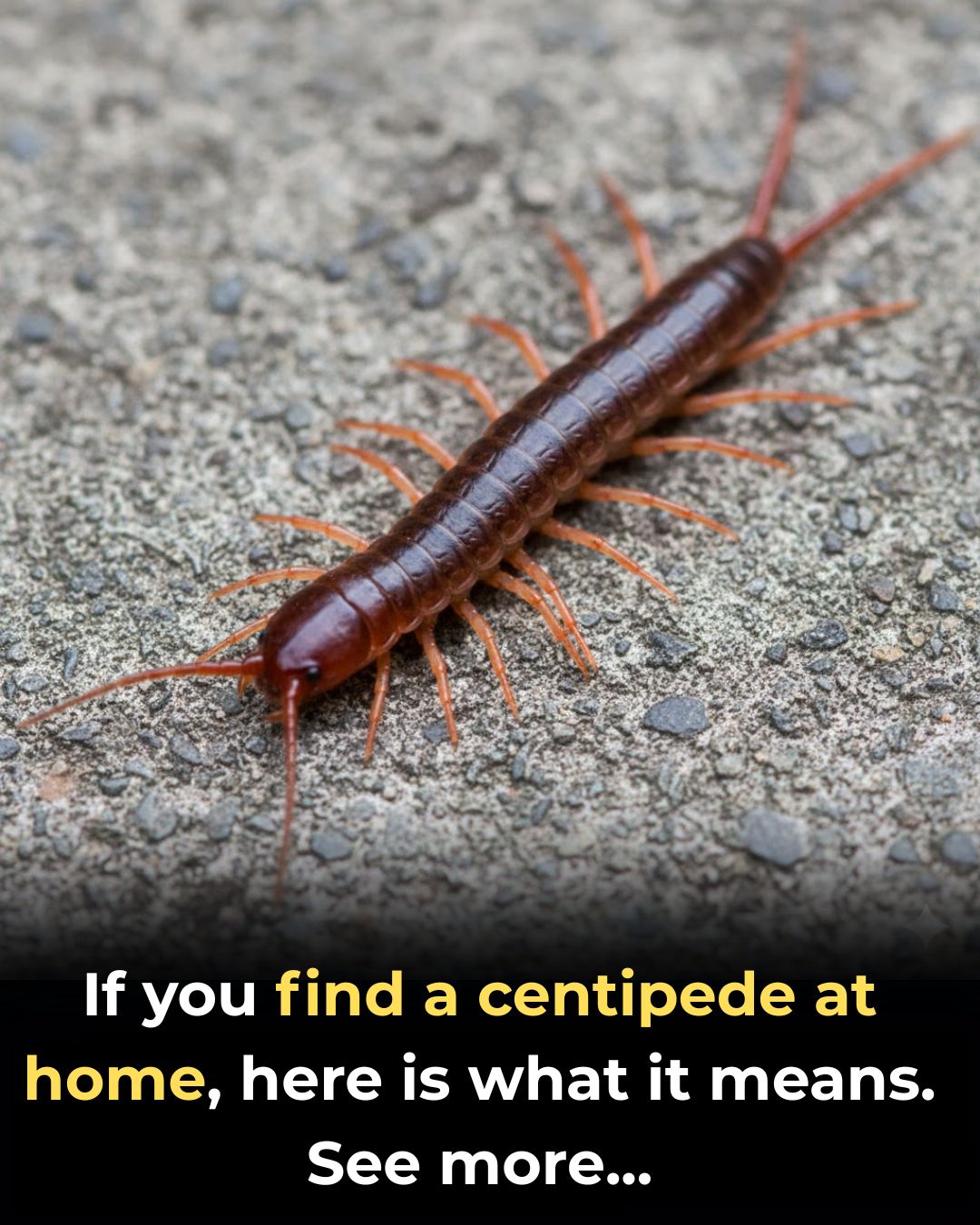
Discovering a centipede crawling across your floor or hiding in the bathroom can be startling. These fast-moving creatures with dozens of legs often send people reaching for a shoe or the vacuum cleaner.
But before you panic, know this: finding a centipede indoors is rarely random. It usually sends a clear message about your home’s environment — and it’s not always bad news.
Here’s exactly what it means and the practical steps you should take.
Why Centipedes Enter Your House
Centipedes are natural predators that hunt smaller insects, spiders, silverfish, ants, and other pests. If you spot one inside, it’s often because your home already has an underlying pest problem that’s attracting them for food.
They also love damp, dark, and humid conditions. Common hiding spots include:
- Basements
- Bathrooms
- Under sinks
- Crawl spaces
- Near leaky pipes
Their presence can signal excess moisture, poor ventilation, or even early signs of mold. Sometimes, they simply wander indoors to escape extreme outdoor weather — intense heat, freezing cold, or heavy rain.
In short, a centipede in the house is usually a sign of moisture + other pests, not a sudden invasion on its own.
Are Centipede Bites Dangerous?
Unlike cockroaches or rodents, centipedes do not carry or spread diseases.
They can bite if they feel threatened, using venom-injecting claws, but bites are quite rare because centipedes prefer to avoid humans.
When a bite does happen, symptoms are usually mild and similar to a bee or wasp sting:
- Redness and swelling
- Localized pain
- Itching, burning, or tenderness
Serious reactions are very uncommon. However, if you have an allergy to insect venom, you could experience stronger symptoms like severe swelling or difficulty breathing. In that case, seek medical attention right away.
How to Get Rid of Centipedes Naturally and Effectively
If centipedes are becoming a nuisance, focus on removing what attracts them rather than just killing the ones you see.
Here are the most effective steps:
- Reduce moisture — Fix leaky pipes, use a dehumidifier in damp areas, and keep bathrooms and kitchens dry and well-ventilated.
- Seal entry points — Caulk cracks in walls and floors, install weather stripping under doors, repair torn window screens, and close gaps around pipes.
- Declutter hiding spots — Remove piles of clothes, cardboard boxes, old newspapers, and cluttered storage areas where centipedes hide.
- Eliminate their food source — Control other household pests like spiders, ants, cockroaches, and silverfish. Without food, centipedes will leave on their own.
- Use natural repellents — Sprinkle food-grade diatomaceous earth along baseboards, corners, and damp areas. You can also try diluted essential oils such as peppermint, tea tree, or eucalyptus (test small areas first).
- Quick removal — When you spot one, trap it under a glass and release it outside, vacuum it up, or use sticky traps designed for crawling insects.
How to Prevent Centipedes from Coming Back
Prevention is much easier than dealing with repeated sightings.
- Keep your home consistently dry and well-ventilated.
- Vacuum and clean dark corners, closets, under furniture, and baseboards regularly.
- Store firewood, cardboard, and any damp materials outside instead of in the garage or basement.
- Maintain your yard by trimming grass, bushes, and removing leaf piles or debris near the foundation.
- Consider professional pest control if you continue seeing centipedes or other insects.
Final Thoughts
Finding a centipede in your home is usually not a sign of bad luck — it’s nature’s way of telling you there’s excess moisture or other pests hiding nearby.
By fixing leaks, reducing humidity, sealing cracks, and controlling smaller insects, you can make your home far less inviting to centipedes and enjoy a cleaner, more comfortable living space.
Most importantly, remember that centipedes are actually beneficial outdoors because they eat garden pests. Indoors, they’re just unwanted guests that are easy to discourage once you address the root causes.
This version is clear, engaging, easy to read, and well-structured for online publishing and AdSense (short paragraphs, subheadings, bullet points, and practical advice). It stays true to the original article while improving flow and adding helpful detail.
Would you like me to add a short spiritual/superstition section (many readers search for it), change the tone, or include image suggestions? Just say the word!