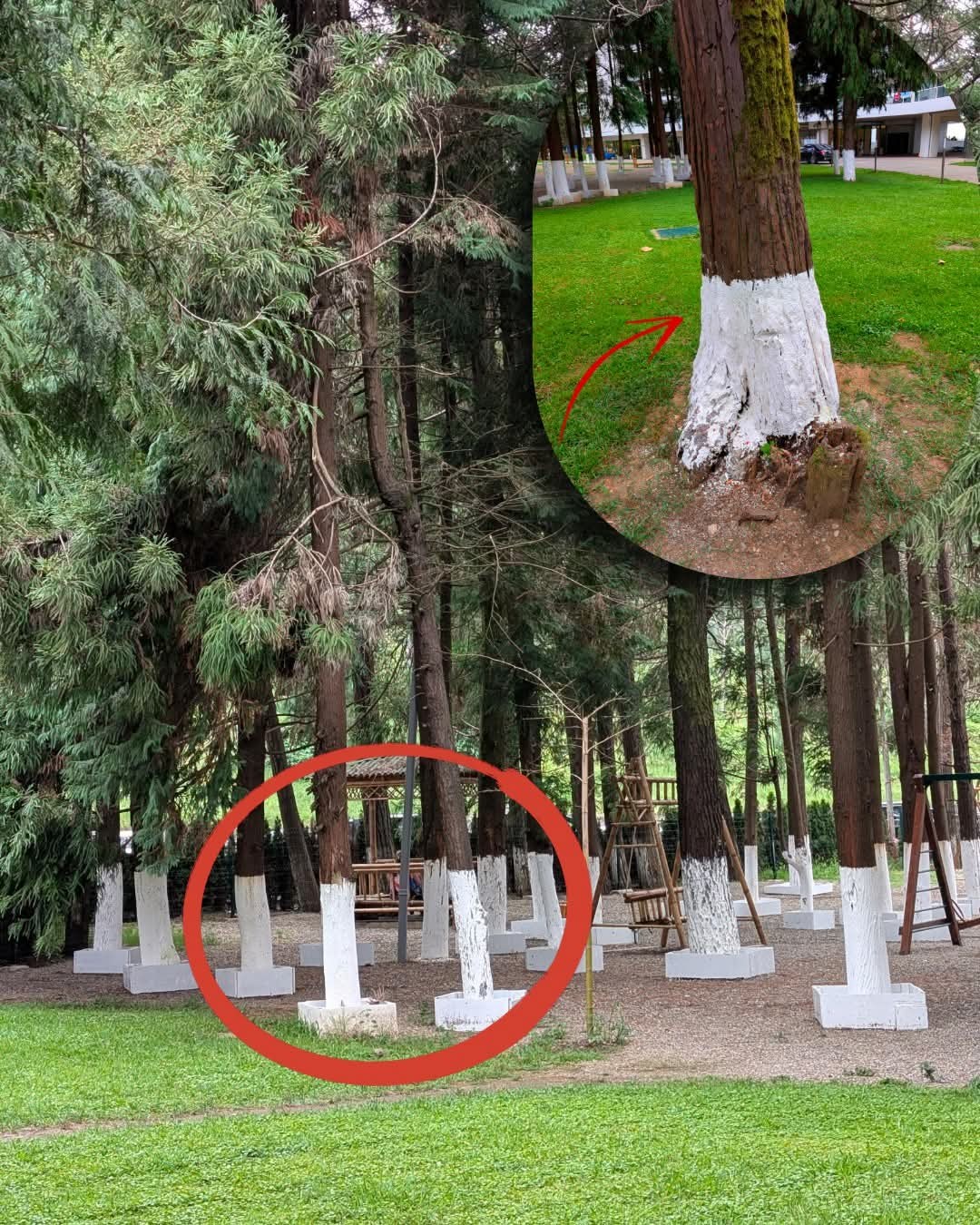
Why Are Some Trees Painted White?
If you’ve ever been strolling through a park or walking down a quiet neighborhood street, you might have noticed that some trees have their trunks painted white. It’s a curious sight. What does it mean? Why would anyone paint a tree’s trunk, and why white? Over the years, I’ve driven past trees with that unusual white coating, often wondering about the significance. Was it an aesthetic choice? Did it symbolize something important? Or was it just an odd quirk of tree care? As it turns out, the practice of painting trees white is far from random, and it serves a very specific purpose, especially when the harsh winter months roll around.
Recently, I took the time to dig into the fascinating world of tree care, particularly the reason for the white paint on tree trunks. What I discovered opened my eyes to a practice that has been protecting trees from damage for years. Turns out, the white paint is not a decorative feature but a protective measure, mainly used during the winter months to safeguard the trees from a condition known as sunscald. Let’s dive into why this occurs and how white paint helps.
During winter, trees are vulnerable to the significant fluctuations in temperature. During the day, when the sun is shining brightly, the tree’s bark can warm up, expanding as it absorbs heat. As soon as night falls and the temperature drops, the bark contracts rapidly. This cycle of expansion and contraction causes stress to the bark and can lead to cracks or splits. These splits are not just cosmetic— they allow for disease, rot, and pests to take advantage of the weakened bark, making it easier for harmful pathogens to enter the tree and cause severe damage or even death.
That’s where the white paint comes into play. When tree trunks are painted white, the reflective properties of the paint help reduce the amount of sunlight absorbed during the day. This minimizes the drastic temperature fluctuation between day and night and, as a result, reduces the risk of cracks in the bark. Essentially, the white paint serves as a shield that prevents the tree from overheating during the day and cooling too quickly during the night. Think of it like a natural sunscreen for trees—protecting them from the harmful effects of the environment.
To understand why white paint is so effective, it’s important to look at the science behind sunscald. Sunscald, or winter sunscald, occurs when the sun heats the tree’s bark during the day, causing it to expand. The rapid drop in temperature during the night causes the bark to contract. This constant cycle of expanding and contracting weakens the outer layers of the tree, resulting in cracks, splits, and other damage.Science
The reason sunscald is particularly damaging during the winter is that the trees are already in a state of dormancy. They are not actively growing or repairing themselves, so any physical damage has a harder time healing. The rapid fluctuations in temperature from day to night further stress the tree, as its metabolic processes are slowed down. Without proper protection, these cracks and splits create entry points for pathogens and pests, making the tree more susceptible to disease.
By painting the tree trunks white, the paint reflects sunlight, keeping the bark cooler during the day. This slows down the expansion process and helps the tree avoid the sharp contrast between daytime warmth and nighttime cold. The white paint acts as an insulating layer, allowing the tree to maintain a more consistent temperature throughout the day and night. In short, it reduces the risk of sunscald and protects the tree from unnecessary stress.
Now that we understand the purpose of the white paint on trees, you might be wondering about the proper technique for applying it. After all, it’s one thing to understand that white paint can prevent damage, but how exactly do you apply it to get the best results?
According to tree care experts, the best type of paint to use for this job is water-based latex paint. The reason for using latex paint is its ability to breathe and allow moisture to escape, which is important for the tree’s health. Some people may opt for oil-based paints, but these can clog the tree’s pores, which could interfere with the tree’s ability to “breathe” and release moisture. Therefore, water-based latex paint is the preferred choice.
The application process is relatively simple. Tree planters and arborists typically recommend mixing one gallon of water-based latex paint with one gallon of water. The purpose of watering down the paint is to ensure that it’s thin enough to cover the tree bark uniformly, yet still provide adequate protection against the sun. The diluted paint helps the brush or spray gun apply the paint evenly without clumping, which is essential for covering the tree’s trunk properly.
While a paintbrush is the traditional tool for applying the paint, some people prefer to use a spray method when they have larger trees or want a quicker application. If you opt for spraying, ensure that the nozzle is set to produce a fine mist to coat the trunk without excessive buildup. Whether you use a paintbrush or spray method, it’s important to make sure the paint covers the entire circumference of the tree’s trunk, from the base to just above the ground level, and in some cases, a bit higher to cover the most exposed part of the trunk.
Tips for Applying White Paint to Trees:
Dilution is Key: The standard recommendation is to mix one part paint with one part water. This ensures that the paint is thin enough to be absorbed by the bark, allowing it to be effective in reflecting sunlight.
Consistency in Application: Whether you use a paintbrush or sprayer, make sure the paint is applied evenly. Avoid streaks or uneven coats that might leave areas unprotected. A thin, consistent coat is all that’s needed.
Proper Time of Year: The best time to apply the paint is in the fall or early winter, just before the coldest temperatures arrive. Repainting is typically done once a year, but if you live in an area with extreme winter conditions, you might want to check periodically for wear and tear.
Safety: Ensure that the paint is applied while wearing protective clothing, including gloves and safety glasses, especially when spraying the paint. You don’t want to accidentally get paint in your eyes or on your skin.
A common question is how often should you repaint the trees with the protective white paint. In most cases, one application of paint is sufficient for the entire winter season. However, it’s important to note that trees can experience various levels of stress based on the environment and the severity of the winter. If the paint starts to wear off, it might be necessary to repaint in the middle of the season, especially if you notice visible cracks or damage in the bark.
Some regions with harsh winters may require annual reapplication, while in milder climates, a single application may be enough. You should also check for any peeling or chipping that might occur due to heavy snowfall, rain, or wind.
The Environmental and Cost Considerations
Using white paint for tree protection might sound like a simple and inexpensive solution, but it comes with some considerations. While the application of white paint is a relatively low-cost practice, there is still an environmental impact to consider, particularly when it comes to the type of paint you use. Water-based latex paint is generally considered more eco-friendly than other options, but it’s still important to purchase paints that are free from harmful chemicals that could leach into the soil or water supply.
Additionally, while painting tree trunks may seem like an easy, affordable solution, it does require ongoing maintenance, particularly in areas with heavy snowfall or extreme temperature swings. As such, homeowners or property managers need to balance the costs of painting and upkeep with the benefits of protecting their trees from sunscald.
Other Tree Care Tips for Winter
While painting tree trunks white is an effective measure against sunscald, it is not the only thing that can be done to protect trees during winter. There are several other methods that can be used to safeguard trees during the colder months:
Mulching: Applying a thick layer of mulch around the base of the tree helps protect the roots from freezing temperatures and moisture loss. Mulch acts as an insulating blanket, maintaining more stable temperatures for the roots.
Watering: Even in winter, trees need water. If the winter is dry, it’s important to keep watering your trees throughout the season, as the roots will continue to need moisture. Just be sure to water when the ground is not frozen.
Proper Pruning: Winter is a great time to prune dead or damaged branches. By removing these branches, you reduce the risk of them breaking during snowstorms or ice events. Just be careful not to prune too much, as it can stress the tree.
Wind Protection: In areas with strong winds, consider installing barriers or windbreaks to protect the tree from physical damage caused by gusts. This will also help keep the tree from drying out too quickly.
Conclusion: Why White Paint Matters for Trees
The next time you spot a tree with its trunk painted white, you’ll know exactly what it means and why it’s so important. This simple practice plays a crucial role in protecting trees from the harsh winter elements, preventing sunscald, and ultimately ensuring their health and longevity. Whether you’re a homeowner looking to protect your trees or simply a curious passerby, you now understand the logic behind the white paint and its invaluable benefits for our leafy friends.