The Gut-Mood Connection: How Ultra-Processed Foods May Be Rewiring Children’s Brains
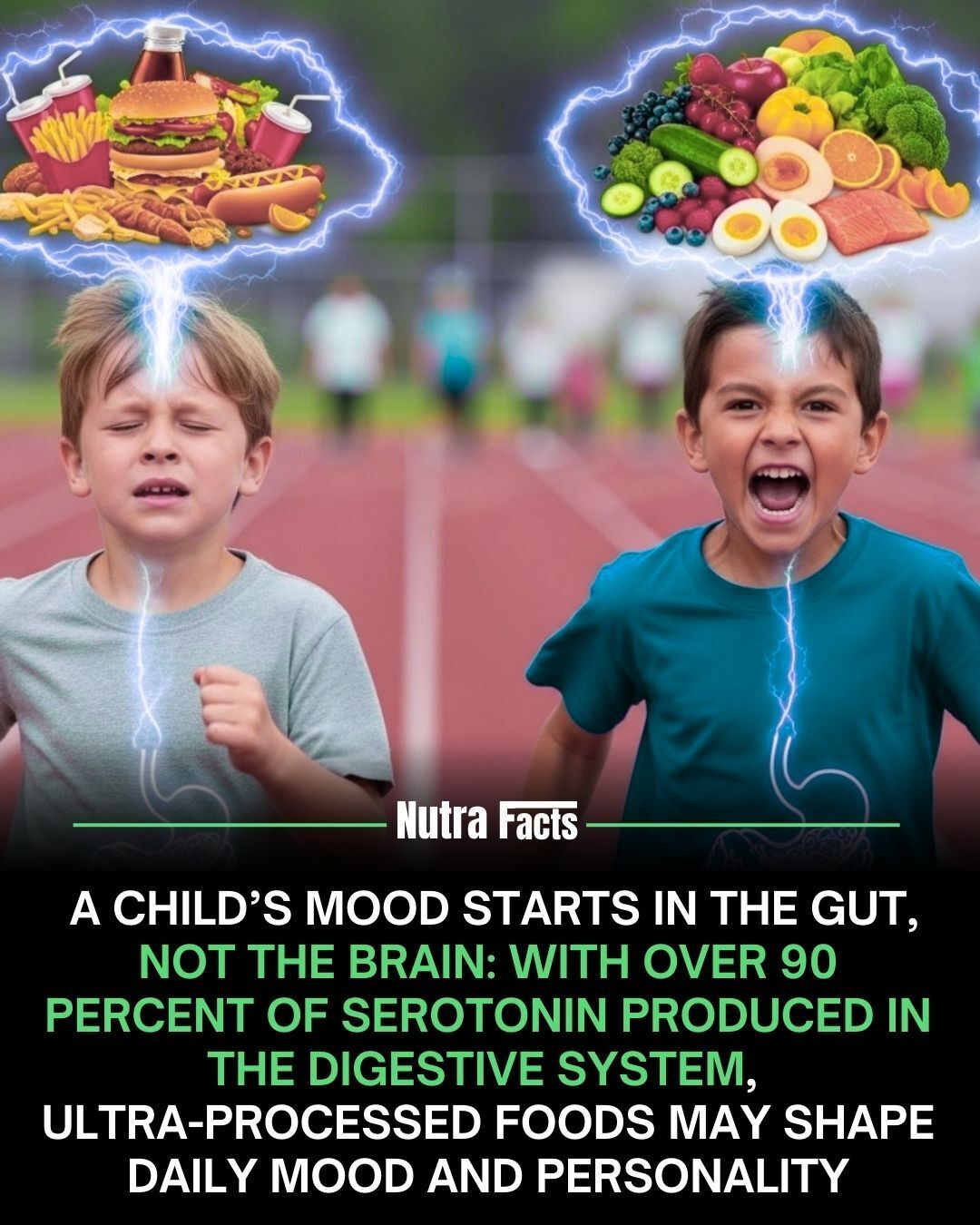
In an era where convenience often trumps nutrition, a growing body of scientific evidence is shining a light on a surprising link between what kids eat and how they feel. A viral infographic from Nutra Facts claims that a child’s mood starts in the gut, not the brain, with over 90% of serotonin—the “feel-good” neurotransmitter—produced in the digestive system. It warns that ultra-processed foods (UPFs) could be shaping daily moods and even long-term personalities. But is this just catchy social media hype, or is there real science behind it? Recent studies suggest the latter, revealing how the gut-brain axis plays a pivotal role in mental health, particularly during childhood when the brain is still developing.
Serotonin is often dubbed the happiness chemical, influencing everything from sleep and appetite to emotional regulation and social behavior. Contrary to popular belief, the vast majority—up to 95%—of the body’s serotonin isn’t made in the brain but in the gastrointestinal tract by specialized cells called enterochromaffin cells. These cells rely on a healthy gut environment to function properly. The gut, lined with over 100 million neurons, forms what’s known as the enteric nervous system, often called the “second brain.” This network communicates bidirectionally with the central nervous system via the vagus nerve, hormones, and immune signals, creating the gut-brain axis.
The trillions of microbes in the gut, collectively known as the microbiome, are key players in this axis. They help produce serotonin precursors, break down nutrients, and even synthesize neurotransmitters directly. A diverse, balanced microbiome promotes anti-inflammatory effects and supports brain health. However, diets high in UPFs—think sugary cereals, fast-food burgers, sodas, and packaged snacks—disrupt this delicate balance. UPFs are typically loaded with additives, preservatives, artificial colors, and high levels of sugar, salt, and unhealthy fats, while lacking fiber and essential nutrients. These foods feed harmful bacteria, leading to dysbiosis (an imbalance in gut flora), increased intestinal permeability (leaky gut), and chronic low-grade inflammation that can cross the blood-brain barrier.
For children, whose brains are undergoing rapid development, the consequences can be profound. Research shows that high UPF consumption during prenatal, adolescent, and early adult stages can impair lipid metabolism, dopamine and serotonin signaling, and brain-derived neurotrophic factor (BDNF) expression—a protein crucial for neuron growth and cognitive function. Disruptions here are linked to mood disorders, anxiety, hyperactivity, and even cognitive deficits. One study found that children and adolescents consuming 40-68% of their calories from UPFs—common in countries like the US and UK—face heightened risks of mental distress, lower quality of life, and behavioral issues resembling ADHD. Artificial ingredients in these foods can interfere with genes involved in neurotransmitter pathways, potentially leading to long-term emotional instability.
Take, for example, the role of short-chain fatty acids (SCFAs), produced when gut bacteria ferment dietary fiber. SCFAs like butyrate cross into the brain, regulating energy homeostasis, reducing inflammation, and enhancing serotonin availability. UPFs, devoid of fiber, starve beneficial bacteria like Lactobacillus and Bifidobacterium, which also produce mood-stabilizing compounds such as gamma-aminobutyric acid (GABA). This leads to reduced SCFA levels, altered tryptophan metabolism (the amino acid precursor to serotonin), and activation of the kynurenine pathway, which is implicated in depression and anxiety. In students, frequent junk food intake has been directly associated with gut dysbiosis and adverse mental health outcomes, including mood disturbances and cognitive impairment.
Experts in nutritional psychiatry emphasize that this isn’t just about occasional treats. Chronic exposure to UPFs creates a vicious cycle: poor gut health leads to unstable moods, which might drive cravings for more comfort foods, further exacerbating the issue. Dr. Uma Naidoo, a Harvard-trained psychiatrist and author of “This Is Your Brain on Food,” notes that while genetics and environment play roles, diet is a modifiable factor. “We’re seeing that ultra-processed foods not only affect physical health but drain focus and brain power in kids,” says functional medicine practitioner Dr. Gaurang Joshi. Trans fats and high-fructose corn syrup in these foods blunt insulin signaling in the brain, impairing memory and emotional regulation.
The good news? Shifting to whole, nutrient-dense foods can reverse some damage. Diets rich in fruits, vegetables, fermented foods (like yogurt and kimchi), beans, oats, and avocados nourish good bacteria, boost serotonin production, and support BDNF. Tryptophan-rich foods such as eggs, salmon, nuts, and seeds provide the building blocks for serotonin. Studies indicate that reducing UPF intake can improve mood and cognition within weeks, with dose-response effects showing lower depression risks. For instance, following Mediterranean-style eating patterns—high in fiber and antioxidants—has been linked to better mental health outcomes in youth.
Parents and policymakers are taking note. Schools in some regions are banning sugary snacks, while public health campaigns promote “real food” initiatives. Yet, with UPFs making up over 60% of calories in many children’s diets, change is urgent. As research in this field expands, it’s clear that fostering a healthy gut isn’t just about digestion—it’s about building resilient minds. By prioritizing whole foods over processed ones, we can help shape happier, more focused generations. After all, as the saying goes, you are what you eat—and so is your mood.