A DNA Test Exposed the Truth: The Family Secret That Changed Everything
A grandmother once noticed that her middle granddaughter, 15-year-old Lindsay, looked noticeably different from the rest of the family. While her siblings all had dark hair, Lindsay had blonde, curly hair. At first, the grandmother brushed it off as a strange twist of genetics, saying she loved her granddaughter regardless and didn’t think much of it.

Things became more troubling when Lindsay’s parents firmly forbade her from taking a DNA test after she began asking questions. Their refusal raised red flags for the grandmother. If there was nothing to hide, why prevent their daughter from seeking answers? When she confronted her son and daughter-in-law, they insisted there was nothing unusual about Lindsay’s birth and demanded she drop the issue. To the grandmother, their reaction only made the situation feel more suspicious.
Lindsay, however, couldn’t let it go. She spoke with her biology teacher, who admitted it was unusual for her traits to differ so sharply from the rest of her family. Confused and increasingly distressed, Lindsay turned to her grandmother for help. She asked her directly to buy a DNA test because she felt she needed to know the truth.
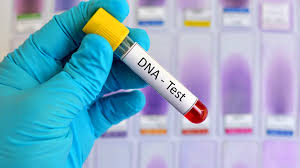
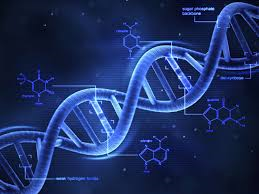
The grandmother agreed—and the results confirmed their fears. Lindsay was not biologically related to her mother. Her father had conceived a child with another woman during his marriage, and the biological mother had given the baby up. Lindsay had been raised as if she were the couple’s child from birth.
What made the revelation even more shocking was that Lindsay was a middle child. The discovery raised obvious questions about how a baby could suddenly appear without anyone questioning it. The grandmother explained that Lindsay’s parents were living across the country when she was born, and she didn’t meet the baby until Lindsay was about six months old. The family also had a history of miscarriages, so late announcements of pregnancies were not unusual. Similar timing had happened with their oldest child, so no one suspected anything was amiss.
The truth caused a major rupture within the family. Lindsay’s parents cut off contact with the grandmother entirely, which only deepened Lindsay’s anger and hurt. The situation left everyone divided and emotionally shaken.
Many people who read the grandmother’s account believed she did the right thing. They argued that Lindsay deserved to know the truth, especially for medical reasons. Knowing one’s biological history can be critical for health care, and keeping such information hidden could cause serious harm.
Others emphasized the psychological toll of secrecy, noting that hiding adoption or biological origins has been linked to anxiety, depression, and even suicidal thoughts. From that perspective, the grandmother’s decision prioritized Lindsay’s mental and physical well-being over protecting a long-standing lie.
Still, not everyone agreed with how the truth came out. One dissenting voice suggested the grandmother should have pushed harder to convince the parents to tell Lindsay themselves. That approach, they argued, might have allowed the truth to come out in a more controlled and compassionate way, rather than through a DNA test—which can be a painful way to learn such life-altering information.
Despite differing opinions on the method, the overwhelming sentiment was that the grandmother acted out of concern for her granddaughter’s safety, health, and right to know who she is.