Some Americans are concerned about the new passport design.
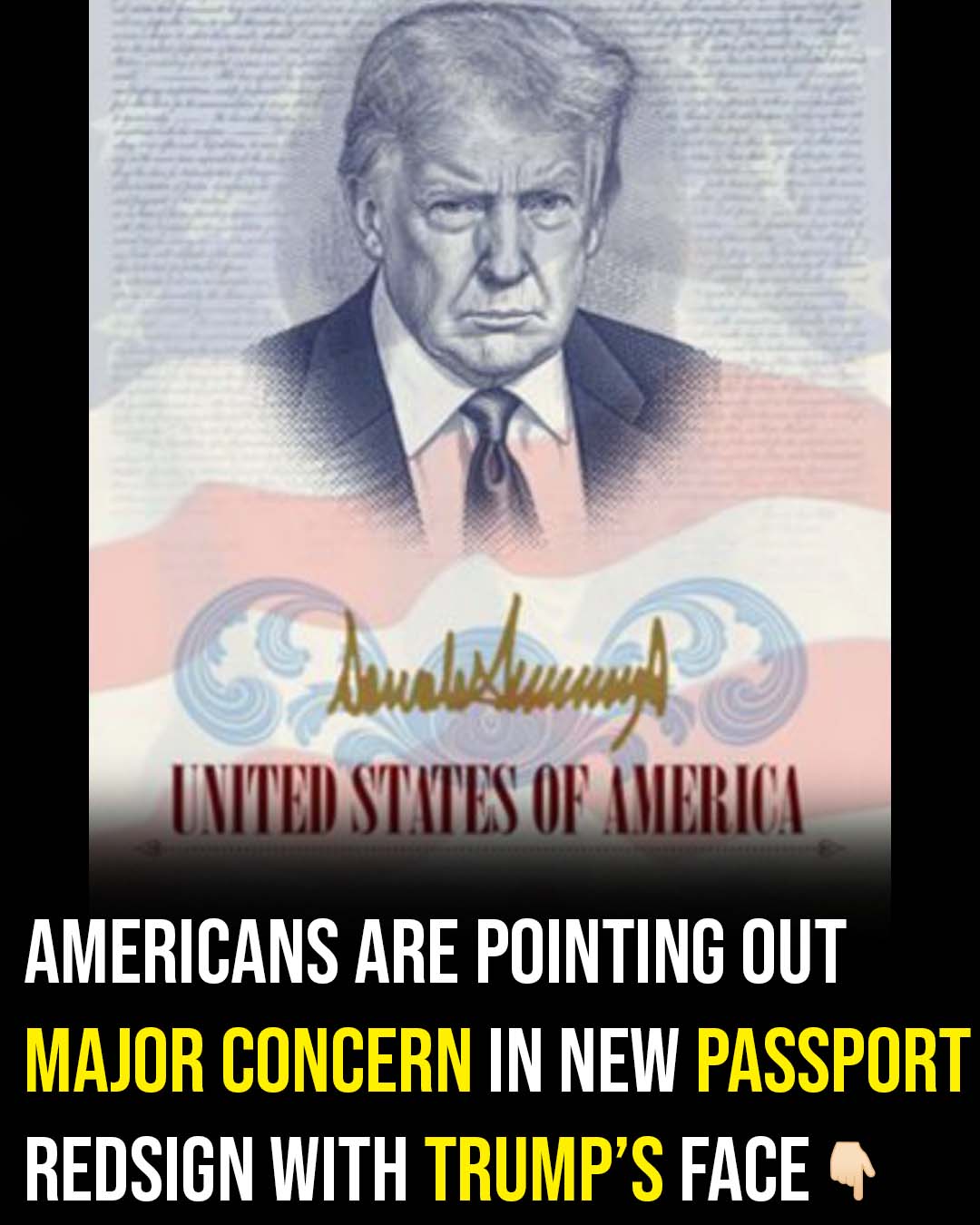
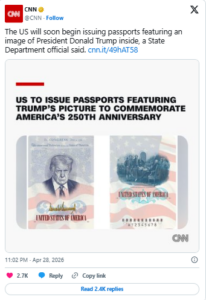
Discussions have circulated online regarding a reported limited-edition U.S. passport design connected to upcoming celebrations for the country’s 250th anniversary. According to claims shared in media commentary and social platforms.
The design concept is said to include patriotic imagery associated with the United States Constitution and the founding era. Some reports and online discussions also suggest that President Donald Trump’s image is part of the proposed visual theme.
The idea quickly gained attention across social media, where users reacted strongly to the possibility of a redesigned passport featuring modern political figures alongside historical national symbols. Supporters of the concept described it as a patriotic tribute aligned with semiquincentennial celebrations, which mark 250 years since the founding of the United States. They argued that special commemorative designs could serve as symbolic representations of national history and pride.
At the same time, critics expressed concern over the appropriateness of featuring a sitting or recent political figure on a federal identity document such as a passport. Passports are traditionally designed to be politically neutral, focusing on national symbols rather than individuals. This long-standing design approach is intended to maintain international consistency and avoid political interpretation when used for global travel.
As discussions developed online, reactions became sharply divided. Some users viewed the concept as a collectible or commemorative item tied to national celebrations, while others interpreted it as an unnecessary personalization of an official government document. The debate expanded rapidly across social media platforms, where users shared opinions ranging from supportive enthusiasm to strong opposition.
Several commenters questioned whether incorporating a modern political figure into a passport design could lead to diplomatic or perception issues abroad. Since passports are used internationally as official identification documents, their design often reflects neutrality to ensure recognition and acceptance across different countries. Critics argued that any deviation from this standard could raise unnecessary questions in international contexts.
Others emphasized that commemorative government designs are not uncommon in national celebrations. The United States has previously issued special editions of coins, stamps, and other symbolic items to mark important anniversaries. However, critics noted that passports differ significantly because they function as official travel documents rather than commemorative collectibles.
In online discussions, some users suggested that if such a design were ever implemented, it should be limited in distribution or optional, rather than replacing standard passport designs. This idea was also reflected in claims that the reported version would only be available through specific issuance channels, such as certain passport agencies, rather than being universally distributed.
The conversation also extended into broader political commentary. Some critics framed the reported design as part of wider debates about political branding in government spaces. Others defended it as a celebration of national identity tied to a major historical milestone. This division reflected ongoing polarization in public discourse surrounding political symbolism in official institutions.
Officials and government-related statements referenced in media reports emphasized that anniversary celebrations often include a wide range of cultural and symbolic initiatives. These can include public events, exhibitions, and commemorative designs intended to engage citizens in historical reflection. However, details about any specific passport redesign remain part of broader public discussion rather than fully confirmed nationwide policy.
Social media played a major role in amplifying the story, with users sharing screenshots, commentary, and interpretations of what such a design could represent. As with many politically sensitive topics, interpretations varied widely depending on perspective, with some users focusing on symbolism and others on governance and institutional tradition.
The debate also raised questions about how national identity is represented in official documents. Historically, U.S. passports have featured iconic national imagery such as the American eagle, flags, monuments, and historical landmarks. These elements are generally chosen to reflect shared national symbols rather than individual leaders.
Supporters of commemorative redesign ideas argue that national milestones offer an opportunity to refresh symbolic representation. Critics, however, caution that government-issued identification documents should remain consistent and free from political influence, particularly in a global context where neutrality is important.
As of now, discussions surrounding the reported passport design remain part of broader public conversation rather than a confirmed or universally implemented change. The topic continues to generate debate online, reflecting differing views on patriotism, symbolism, and the appropriate boundaries of political representation in official documents.
In conclusion, the reported concept of a redesigned U.S. passport tied to 250th anniversary celebrations has sparked significant public discussion. While supporters view it as a patriotic gesture connected to national history, critics raise concerns about neutrality and international perception. The debate highlights the broader tension between commemorative national expression and the traditional design principles of official government identification documents.