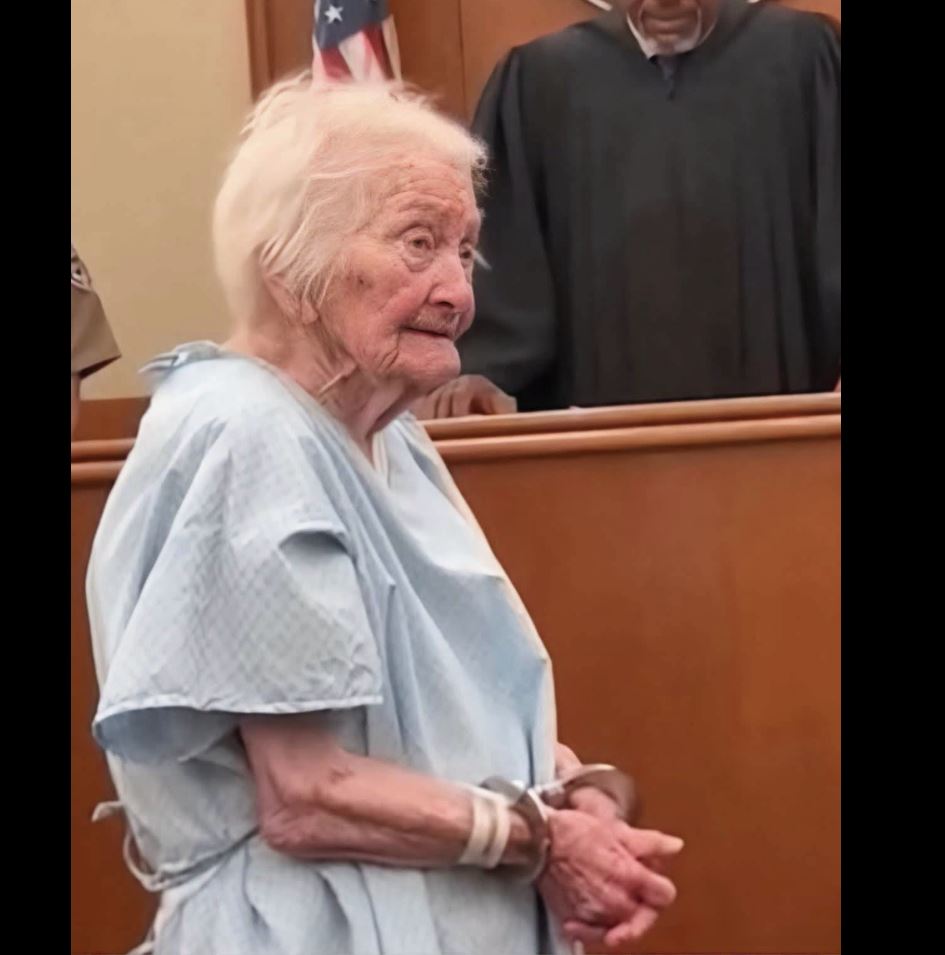
91-year-old Helen and her 88-year-old husband George
Helen and George had lived side by side for sixty-five years, their marriage a quiet testament to endurance. At ninety-one, Helen’s hands trembled when she buttoned George’s shirt, but her devotion never faltered. George, eighty-eight, relied on twelve pills a day to keep his failing heart alive. For years, their supplemental insurance softened the blow of his prescriptions, reducing the monthly cost to a manageable $50.
Then, without warning, the coverage lapsed. The pharmacy bill came to $940 nearly their entire monthly income after rent and utilities. Helen stared at the receipt, her chest tightening. She knew George’s body could not survive without those pills.
For weeks she tried everything: calling the insurance company, pleading with social services, even writing letters to charities. Each reply was the same delays, forms, waiting lists. Meanwhile, George’s breathing grew shallow, his skin pale.
One afternoon, Helen walked into the pharmacy, her heart pounding. She picked up the bag of medicine, tucked it under her arm, and left without paying. She told herself it wasn’t theft it was survival.
But the cameras caught her. Police arrived at their small apartment, where George lay in bed hooked to oxygen. Helen was arrested, still wearing her hospital visitor’s badge. She was brought to court in a thin hospital gown, wrists bound in chains.
The courtroom fell silent when Judge Marcus saw her. A frail woman, ninety-one years old, shuffling forward in shackles. George sat in the gallery, clutching his chest, tears streaking his face.
Judge Marcus’s voice broke the silence: “Remove those chains immediately.”
The bailiff hesitated, then obeyed. Helen’s wrists were freed. She rubbed them gently, her eyes downcast.
The prosecutor read the charge: felony theft. But Marcus leaned forward, his tone firm yet compassionate. “This is not theft. This is desperation. This is love.”
He dismissed the charges on the spot. Then, turning to the clerk, he ordered immediate assistance: emergency aid, reinstated insurance, and guaranteed delivery of George’s medicine.
Helen wept openly, her frail shoulders shaking. George whispered her name, his voice cracking with relief.
The courtroom, usually a place of stern judgment, became a sanctuary of mercy. Strangers in the gallery dabbed their eyes. Even the prosecutor lowered his head.
Judge Marcus concluded: “The law must serve justice, not punish the vulnerable. Today, justice means ensuring this couple lives with dignity.”