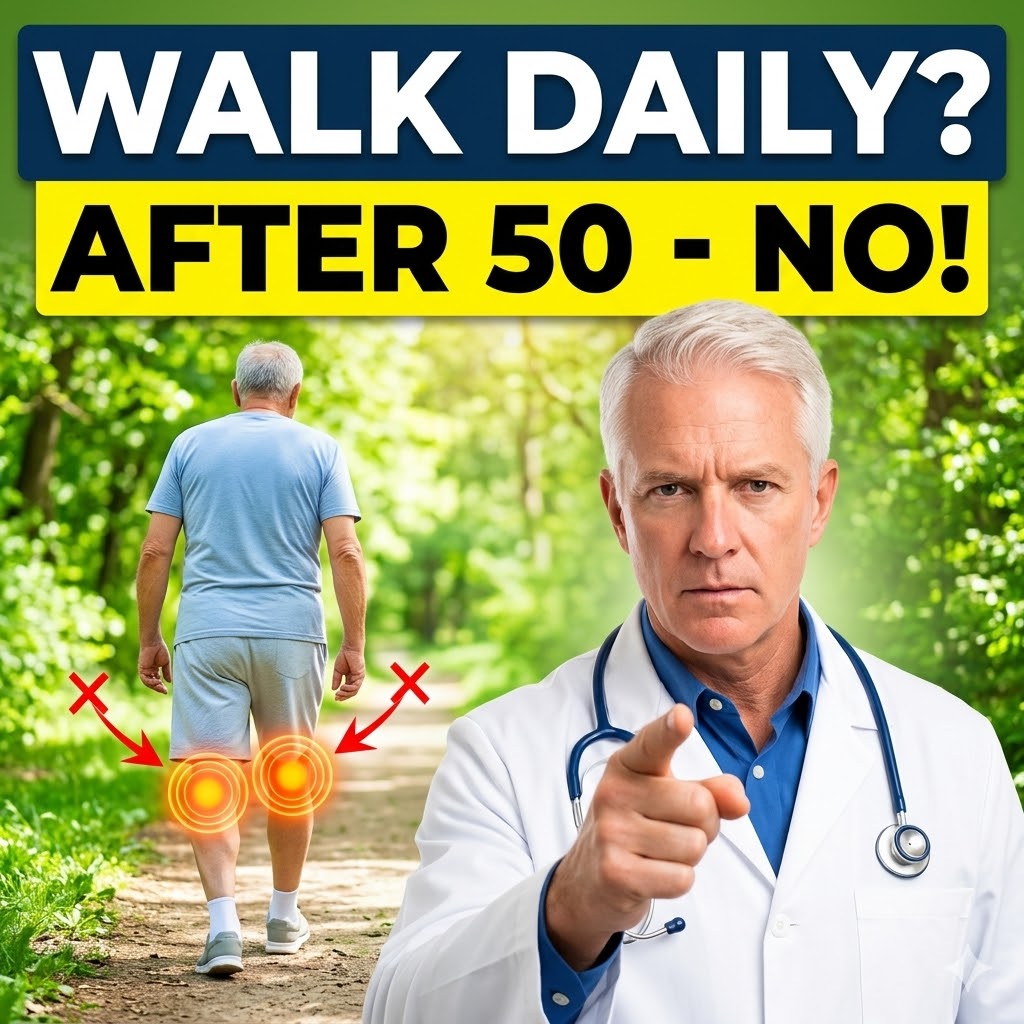
7 Common Walking Mistakes That Are Ruining Your Health After 50 (And How to Fix Them)
7 Common Walking Mistakes That Are Ruining Your Health After 50 (And How to Fix Them)
Walking is one of the easiest and most effective ways to stay fit, healthy, and independent after the age of 50. It supports heart health, strengthens bones and muscles, improves balance, and boosts mood.
However, many people unknowingly make simple walking mistakes that can reduce these benefits and even cause pain, joint damage, or injuries over time.
If you’re over 50 and love walking, watch out for these 7 common mistakes that could be quietly harming your health — and learn how to correct them.
1. Walking With Poor Posture
Slouching, rounding your shoulders, or looking down at your feet while walking is very common. Over time, this puts unnecessary strain on your neck, shoulders, and lower back.
Poor posture also limits proper breathing and makes walking less efficient.
How to fix it: Stand tall with your head held high, shoulders relaxed and pulled back slightly, and eyes looking straight ahead about 10–20 feet in front of you. Imagine a string gently pulling the top of your head upward. Good posture reduces pain and helps you walk with more confidence and balance.
2. Wearing the Wrong or Worn-Out Shoes
Old, flat, or unsupportive shoes fail to cushion your steps or support your arches. This extra impact travels straight to your knees, hips, and spine.
Wearing the wrong shoes is one of the fastest ways to develop foot pain, knee problems, or lower back issues after 50.
How to fix it: Choose walking shoes with good cushioning, arch support, and a flexible sole. Replace them every 300–500 miles or as soon as they start feeling flat or uncomfortable.
3. Increasing Distance or Speed Too Quickly
It’s easy to get motivated and suddenly walk much farther or faster than usual. However, after 50, your joints and muscles need more time to adapt.
Pushing too hard too soon often leads to soreness, inflammation, or injury.
How to fix it: Increase your walking time, distance, or pace gradually. A safe rule is to never increase your weekly walking volume by more than 10%. Slow and steady progress is far more effective.
4. Skipping Warm-Up and Stretching
Starting your walk with cold, stiff muscles increases the risk of strains and injuries, especially as you get older.
How to fix it: Spend 3–5 minutes warming up with light marching in place or gentle leg swings before you start. After your walk, take another 5–10 minutes to stretch your calves, hamstrings, quadriceps, and hips. These simple steps can dramatically reduce your chance of injury.
5. Always Walking on Hard Surfaces
Concrete sidewalks and asphalt roads are convenient, but they create repeated shock that travels through your joints with every step.
For people over 50, especially those with arthritis or joint wear, this can worsen pain and inflammation over time.
How to fix it: Mix up your routes when possible. Walk on grass, dirt trails, park paths, or rubberized tracks to give your joints a break from constant impact.
6. Not Swinging Your Arms
Many walkers let their arms hang loosely or hold them stiffly by their sides. This reduces balance, rhythm, and the overall effectiveness of the workout.
How to fix it: Allow your arms to swing naturally in opposition to your legs — right arm forward when your left foot steps, and left arm forward when your right foot steps. Keep your elbows slightly bent and shoulders relaxed. You’ll walk more efficiently and burn a few extra calories too.
7. Ignoring Pain or Discomfort
Pushing through ongoing pain in your knees, hips, feet, or back is one of the most harmful mistakes you can make.
What many people dismiss as “just aging” is often a sign that something needs to change — your form, shoes, or routine.
How to fix it: Listen to your body. Mild tiredness is normal, but sharp, persistent, or worsening pain is not. Rest when needed, adjust your technique, and consult a doctor if the pain continues.
Why Walking the Right Way Matters After 50
When done correctly, walking becomes a powerful tool for healthy aging. It can help:
- Strengthen your heart and improve circulation
- Maintain healthy joints and bone density
- Boost mood and mental sharpness
- Support healthy weight and greater independence
Small changes in how you walk can protect your body and help you enjoy the benefits of walking for many years to come.
Final Tips for Better Walking
- Focus on good posture throughout your walk
- Invest in quality supportive shoes
- Always warm up and stretch
- Progress at a comfortable pace
- Choose softer surfaces when possible
- Stay consistent and listen to your body
Start applying these simple fixes today. Walking smarter — not harder — is one of the best things you can do for your health after 50.